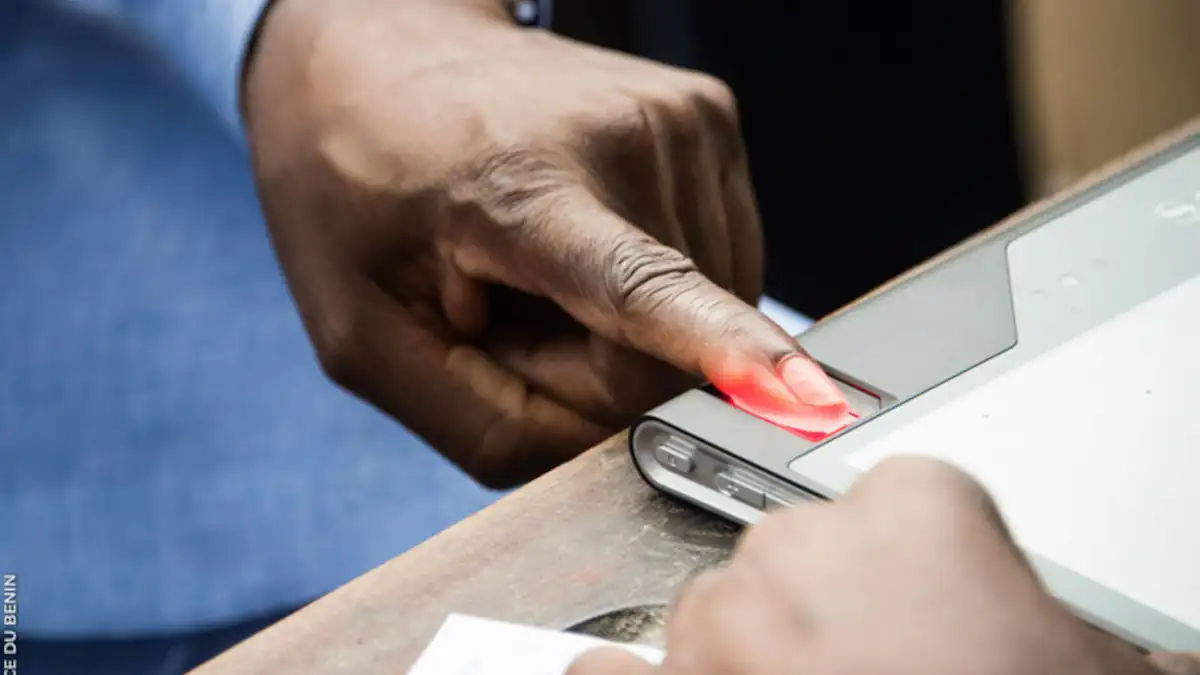
Benin's national identification reform, centered on the 'C'est Moi' card, seeks to integrate the country's most vulnerable citizens into its economic and social structures. This ambitious initiative aims to provide essential services and opportunities for individuals previously lacking official recognition. The national identification reform, materialized by the 'C'est Moi' card, specifically targets the inclusion of the most vulnerable populations into the country's economic and social fabric. The 'C'est Moi' card has reportedly restored dignity and an economic future to millions of Beninese citizens, according to proponents of the program. This full approach shows a commitment to fostering a more inclusive society where every citizen has the means to participate fully.
Transforming Lives Through Identity
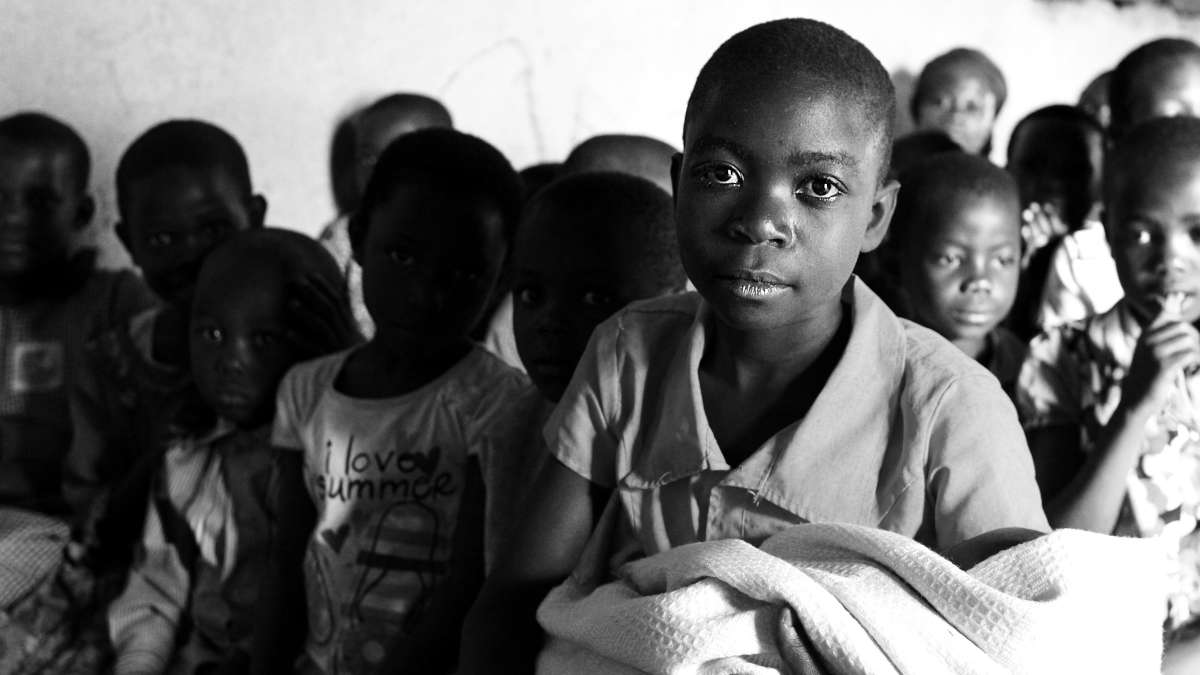
The 'C'est Moi' card has facilitated access to essential services for many Beninese citizens, marking a significant step towards broader societal inclusion. Simplice, an 11-year-old residing in Kouatena, received his digital identity card, which was described as key for his enrollment in schooling. This provision of identity documents ensures that children like Simplice can access their fundamental right to education, a cornerstone of future prosperity. For others, the card has opened avenues for economic growth and formal participation in the economy. Pélagie Sagbo, a resident of Adjarra, expanded her palm oil business after obtaining an official identity card. This card provided her with the necessary documentation to access credit and formal banking services, which were previously unavailable to her. Her success story exemplifies how official identification can unlock economic opportunities for small business owners. The initiative addresses a significant challenge in Benin, where a quarter of the population previously lacked a birth certificate, hindering their ability to prove their identity and access various public and private services. This widespread lack of foundational identification created a barrier to accessing healthcare, education, and financial services for a substantial portion of the population.
Project Funding and Scale
More than 7.7 million individuals in Benin now possess their Personal Identification Number (NPI) as part of the country's digital identity initiative, demonstrating the significant reach and impact of the program. This widespread issuance of NPIs is a testament to the scale of the reform efforts. The World Bank finances this reform through its Regional Unique Identification for Regional Integration and Inclusion (WURI) Project. The WURI project has a total budget of 273 million dollars, with 45 million dollars specifically allocated to Benin to support its efforts in digital identity. This substantial financial backing shows the international community's recognition of the project's importance for regional development and inclusion. The funding ensures the necessary resources are available to continue the rollout and maintenance of this key infrastructure.
Barriers to Full Inclusion
Despite the reported successes and the broad reach of the program, the implementation of Benin's digital identity system faces obstacles to achieving full inclusion. A significant challenge stems from the exclusive use of French across the digital platforms and administrative procedures. This poses a considerable barrier for a significant segment of the population, particularly given the country's high illiteracy rates, which can hinder individuals from independently navigating the required processes for identification. The reliance on a single language and written communication methods excludes those who are illiterate or speak only local languages, creating a digital divide. The online platform established for identification services has encountered technical issues. Users have reported experiencing problems such as system bugs and slowdowns, which can impede access to services and create frustration among applicants. These technical difficulties add to the complexity for citizens attempting to obtain or manage their digital identity, potentially delaying or preventing access for those in urgent need. Addressing these linguistic and technical hurdles is key for ensuring equitable access for all Beninese citizens.
Voices of Impact and Progress
More than 6.1 million personal identification certificates (CIP) have been delivered free of charge, according to official figures, noting the government's commitment to making identity accessible to everyone without financial burden. This free distribution removes a significant financial barrier that might otherwise prevent vulnerable populations from obtaining identification. Augustine Assogba, a haberdashery seller, utilized the identification system to access training, open a Mobile Money account, obtain microcredit, and formalize her business operations. Her story illustrates the multi-faceted benefits of the 'C'est Moi' card, enabling individuals to not only prove their identity but also to engage more deeply with financial services and entrepreneurial opportunities. The ability to formalize her business through the identification system provides Augustine with greater security and potential for growth within the formal economy. These individual success stories show the profound impact of the digital identity initiative on the lives of ordinary Beninese citizens.