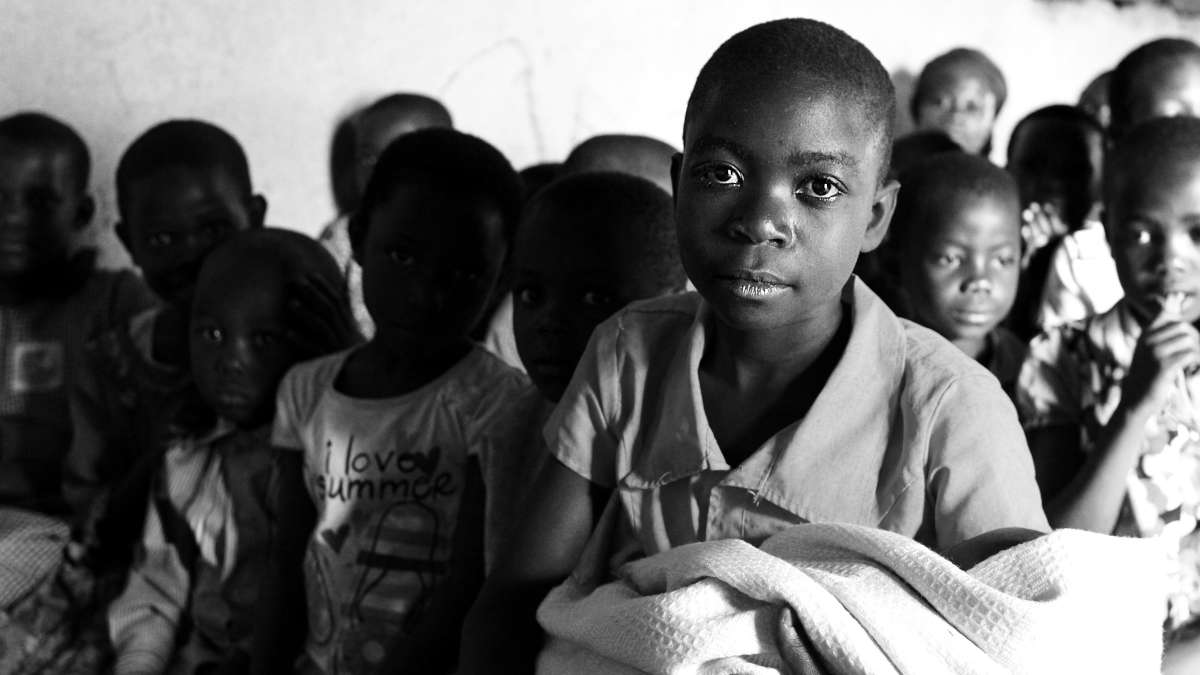
Three days prior to this article's publication, authorities at the border intercepted and rescued minor children who were being trafficked to neighboring Côte d'Ivoire for labor in plantations and markets. This specific incident, involving a wave of minor children being transported across borders, shows the persistent nature of child trafficking in the region. Despite these ongoing interdictions and the clear evidence of exploitation, a local mindset persists in areas like Za-Kpota, where sending a child "on an adventure" to Côte d'Ivoire or Nigeria is still viewed by some families as a rite of passage, a financial investment, or a way to delegate parental responsibilities. This perception contributes significantly to the continued challenge of child trafficking from Bénin, creating a fertile ground for exploitation.
Roots of Exploitation
Za-Kpota has been a preferred area for Technical and Financial Partners (PTF) and non-governmental organizations since the early 2000s, with efforts encompassing school construction, financed school canteens, subsidized women's groups, and monetary transfers. These interventions were designed to improve local conditions and reduce vulnerabilities. Despite these significant efforts and the resources invested, the local mindset has not fully shifted. Many children and young people from the region continue to migrate to neighboring Nigeria, often under exploitative conditions. Additionally, numerous girls are placed in domestic work within Benin's major cities, with their parents often receiving their salaries, sometimes unaware of the true nature of their children's employment. Local intermediaries, known as 'placeurs', frequently facilitate this movement. These recruiters are often community members, such as uncles, cousins, or respected notables, who exploit economic distress or parental naivety. They promise education or lucrative apprenticeships abroad, leading families to send their children away, often into situations far different from what was promised.
The Trafficking Machine
Children from Za-Kpota are frequently subjected to forced labor in cocoa fields, street vending, or abusive domestic work. These forms of exploitation are rampant, with children enduring harsh conditions and long hours for little to no pay. Traffickers operate within a system that allows them to profit significantly from these activities, often protected by a prevailing silence and village omerta, which makes detection and prosecution challenging. The continued exploitation shows the deep-seated nature of this issue and the complex social dynamics that enable it. The recent interception of trafficked minors, which occurred three days prior to this article's publication, should serve as a final warning to those involved in child trafficking networks, indicating that authorities are actively pursuing these cases. This incident notes the ongoing efforts to combat the illicit trade and the necessity for decisive judicial action against perpetrators to dismantle these criminal operations.
Call for Judicial Repression
The new executive of the Za-Kpota town hall, which has recently completed 100 days in office, is urged to prioritize the issue of child trafficking for the commune's overall development. Addressing this deeply entrenched problem is key for the well-being of the community and its future. The article advocates for a radical strategic shift from social prevention measures, which have shown limited success in altering fundamental perceptions, to relentless judicial repression. This approach would include holding parents criminally responsible for knowingly or negligently allowing their children to be trafficked, prosecuting accomplices who facilitate these crimes, and actively working to dismantle criminal networks through police infiltration and intelligence gathering. Emphasis is placed on the criminality of recruiters and intermediaries involved in these operations, as they are often the direct link between vulnerable families and exploitative systems.
Existing laws in Benin, such as the Child Code, severely criminalize practices related to child trafficking, providing a strong legal framework for action. The report calls for the systematic application of public force, the deployment of specialized investigative units within Za-Kpota's arrondissements to target trafficking hotspots, the tracking of suspicious financial flows that underpin these illicit activities, and the imposition of exemplary prison sentences to deter future offenses and send a clear message that such crimes will not be tolerated. This full judicial approach is deemed essential to finally break the cycle of child trafficking in Za-Kpota.