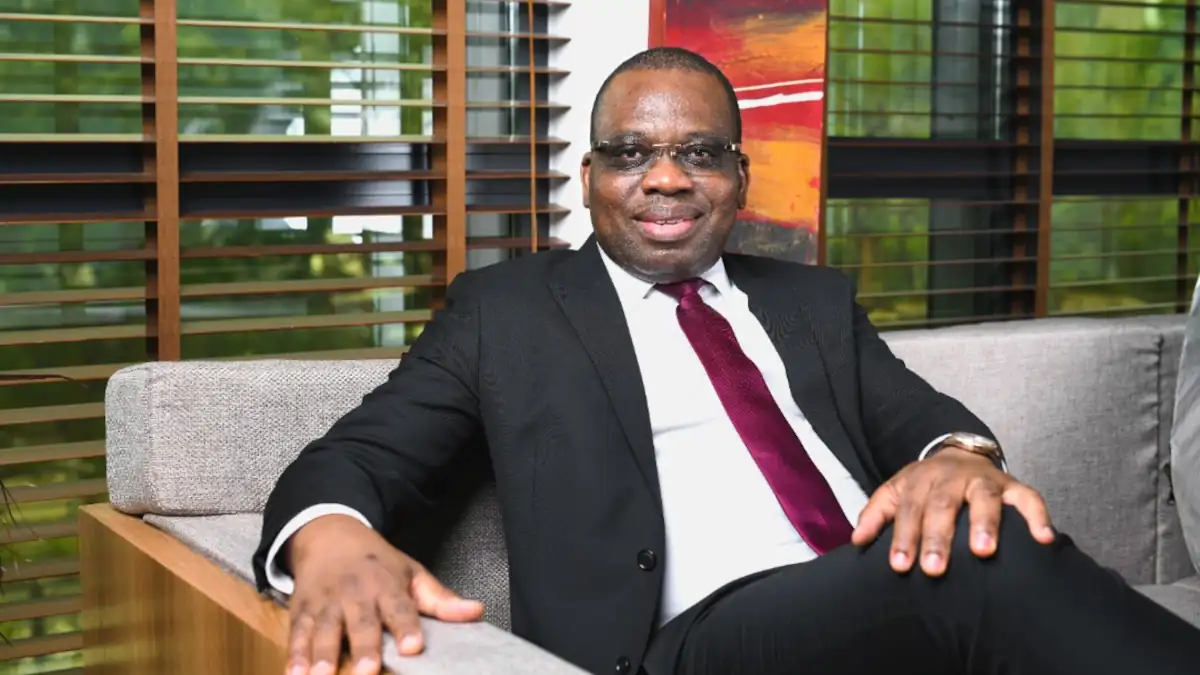
Dr. Sèdami Medegan Fagla was formally installed as Benin's Minister of Higher Education and Scientific Research, with responsibility for Technical Training. The official handover ceremony took place at the Ministry of Higher Education and Scientific Research (MESRS) headquarters. This transition marks a new phase for the ministry, aiming to accelerate reforms and consolidate ongoing initiatives in higher education, research, and technical training. Her appointment shows a strategic commitment to advancing the nation's educational infrastructure and output.
Minister's Ambitious Agenda
Dr. Sèdami Medegan Fagla outlined eight priority areas that will guide her mandate as the new Minister of Higher Education and Scientific Research. The minister detailed plans aimed at enhancing the educational landscape across Benin. Her full agenda reflects a forward-looking approach to meet contemporary educational demands and national development goals.
The priorities articulated by Dr. Medegan Fagla include the modernization of universities and the expansion of distance learning systems. This focus on technological integration is designed to make education more accessible and adaptable. Her agenda also encompasses the development of new academic programmes, with a particular focus on fields such as artificial intelligence, and a commitment to strengthening technical and vocational education. These specialized programs are intended to equip students with skills relevant to the evolving global job market.
Further initiatives noted by the minister involve improving the overall quality and professional relevance of academic programmes offered within the country. This includes a rigorous review and update of curricula to ensure they meet international standards and industry needs. Dr. Medegan Fagla also seeks to promote research that is closely aligned with societal needs, aiming to ensure that academic endeavors contribute directly to national development. This emphasis on applied research is expected to foster innovation and practical solutions for Benin's challenges. Enhancing student welfare is another key objective, addressing aspects such as living conditions, health services, and academic support to create a conducive learning environment. Additionally, the minister aims to reinforce the role and visibility of Sèmè City, positioning it as a significant innovation and knowledge hub for the region, thereby attracting talent and investment.
Call for Collective Effort
Dr. Sèdami Medegan Fagla emphasized the need for a unified approach from all stakeholders to advance the country's educational objectives. She called for collaboration among ministry officials and various partners. This collective effort is intended to support the implementation of reforms designed to enhance efficiency and foster innovation within Benin’s tertiary education system. The minister noted that such cooperation is key for elevating the global competitiveness of the nation's higher education institutions. Her appeal showed the importance of shared responsibility in achieving the strategic goals outlined for the sector, aiming to ensure that the reforms yield tangible improvements across universities and technical training centers. The minister's statement signals a commitment to a participatory governance model, seeking broad engagement to drive progress and adapt to evolving educational demands. This collaborative spirit is seen as essential for overcoming challenges and seizing opportunities in the educational landscape.
Context and Future Outlook
The minister emphasized the importance of strengthening scientific research and aligning higher education outputs with national development objectives. Dr. Sèdami Medegan Fagla stated that this alignment is key for Benin's progress, ensuring that academic contributions directly address the country's needs. Her vision positions the higher education sector as a key driver for innovation and socio-economic growth. This strategic focus aims to enhance the relevance of academic programs and research findings, fostering a direct link between educational outcomes and national development priorities. The minister's approach seeks to integrate scientific advancements more closely with practical applications, benefiting various sectors of the Beninese economy. The goal is to create a dynamic educational ecosystem that not only educates but also contributes significantly to the nation's prosperity and global standing.