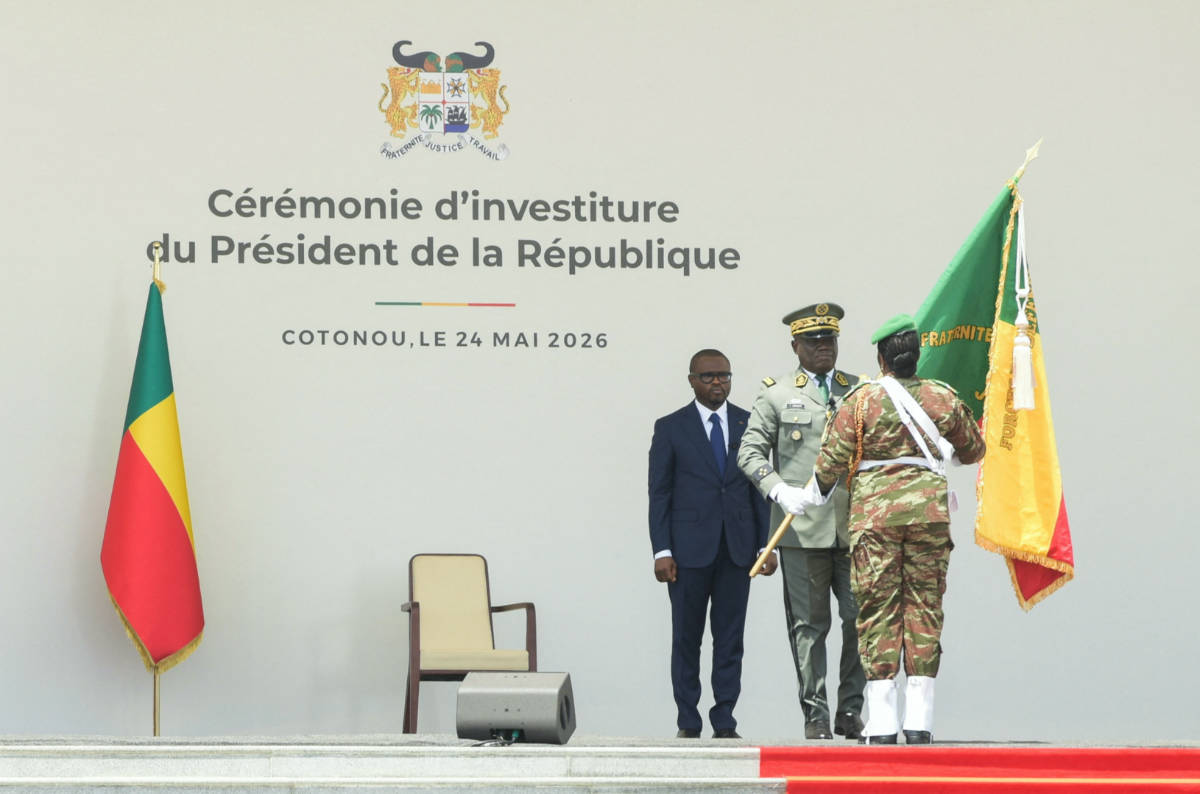
Benin and Niger are showing early signs of renewed diplomatic engagement following the recent inauguration of President Romuald Wadagni. Wadagni, a former finance minister and economist, indicated a focus on regional collaboration during his address, stating, "With our neighbouring countries, we will place particular emphasis on deepening regional cooperation." He also emphasized a commitment to good governance, declaring that "power should not be treated as a personal privilege." This shift suggests a potential improvement in relations between the two West African nations, which have experienced significant strain. The attendance of Niger’s Prime Minister Ali Mahamane Lamine Zeine at the inauguration showed the diplomatic overture.
New Leadership, Old Ties
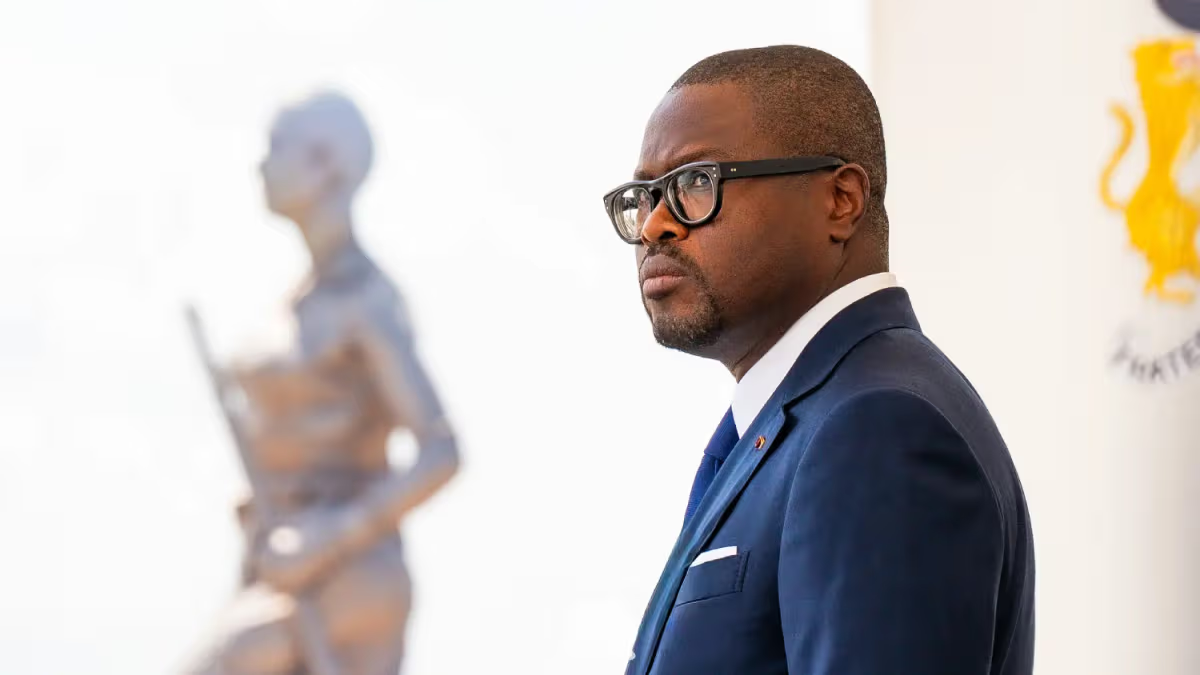
President Romuald Wadagni was sworn in on May 24 in Cotonou, marking a new chapter for Benin's leadership. During his inauguration speech, Wadagni outlined his administration's priorities, emphasizing a commitment to regional collaboration. He stated, "With our neighbouring countries, we will place particular emphasis on deepening regional cooperation." Wadagni also addressed internal governance, asserting that "power should not be treated as a personal privilege." His remarks are seen as a potential indicator of a shift in diplomatic approach, particularly concerning relations with neighboring states like Niger. The new president's focus on cooperation and good governance sets a tone for his tenure. As a seasoned economist and former finance minister, Wadagni brings a background in economic management and policy to his new role, which could influence his approach to regional economic integration and stability.
Strained Relations and Regional Challenges
Relations between Benin and Niger deteriorated sharply following the July 2023 coup in Niamey. The political upheaval in Niger contributed to a period of heightened tensions between the two West African nations, impacting trade and diplomatic exchanges. Across the Sahel region, Niger and Burkina Faso continue to battle insurgencies, facing ongoing security challenges that destabilize the wider area. These nations also navigate diplomatic isolation, which has impacted their regional and international engagements, further complicating efforts for collective security. The strained relations have created complex dynamics within West Africa, affecting not only political ties but also economic stability and humanitarian efforts. The security situation in the Sahel remains a critical concern, with various non-state armed groups operating across porous borders.
Hopes for Cooperation
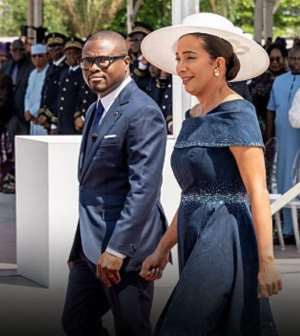
Niger’s Prime Minister Ali Mahamane Lamine Zeine attended President Romuald Wadagni's inauguration, signaling a potential opening for improved bilateral relations. This high-level presence from Niger offered a tangible sign of a willingness to re-engage diplomatically. Wadagni, during his address, reiterated his commitment, stating, "With our neighbouring countries, we will place particular emphasis on deepening regional cooperation." He also emphasized a commitment to good governance, declaring that "power should not be treated as a personal privilege." The presence of Niger's Prime Minister at the ceremony follows a period of severely strained relations between the two nations, making his attendance particularly noteworthy. Cooperation between Benin and Niger is key, especially as Northern Benin experiences a rise in jihadist attacks, which authorities have linked to the Group for the Support of Islam and Muslims (GSIM). This escalating security threat in Benin's northern regions notes the urgent need for coordinated efforts and intelligence sharing between neighboring states. These security challenges in the border region show the mutual benefits of renewed diplomatic engagement and collaborative efforts to combat regional instability.
Quotes on Future Cooperation
Romuald Wadagni, a former finance minister and economist, stated, "With our neighbouring countries, we will place particular emphasis on deepening regional cooperation." He also asserted that "power should not be treated as a personal privilege," showing his administration's commitment to transparent and accountable governance. These remarks indicate a strong focus on collaborative governance and regional engagement under his leadership, aiming to foster stability and mutual development in West Africa. His background in finance and economics may also inform a pragmatic approach to regional challenges, prioritizing solutions that benefit the economic well-being of the populations in both countries.