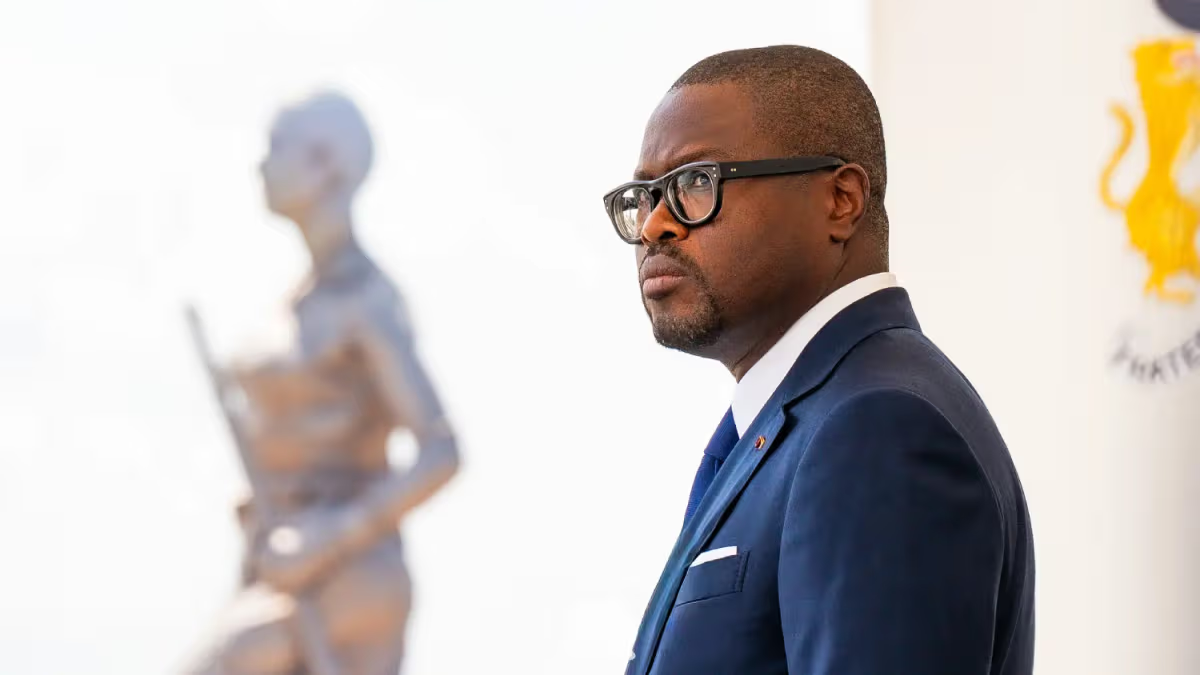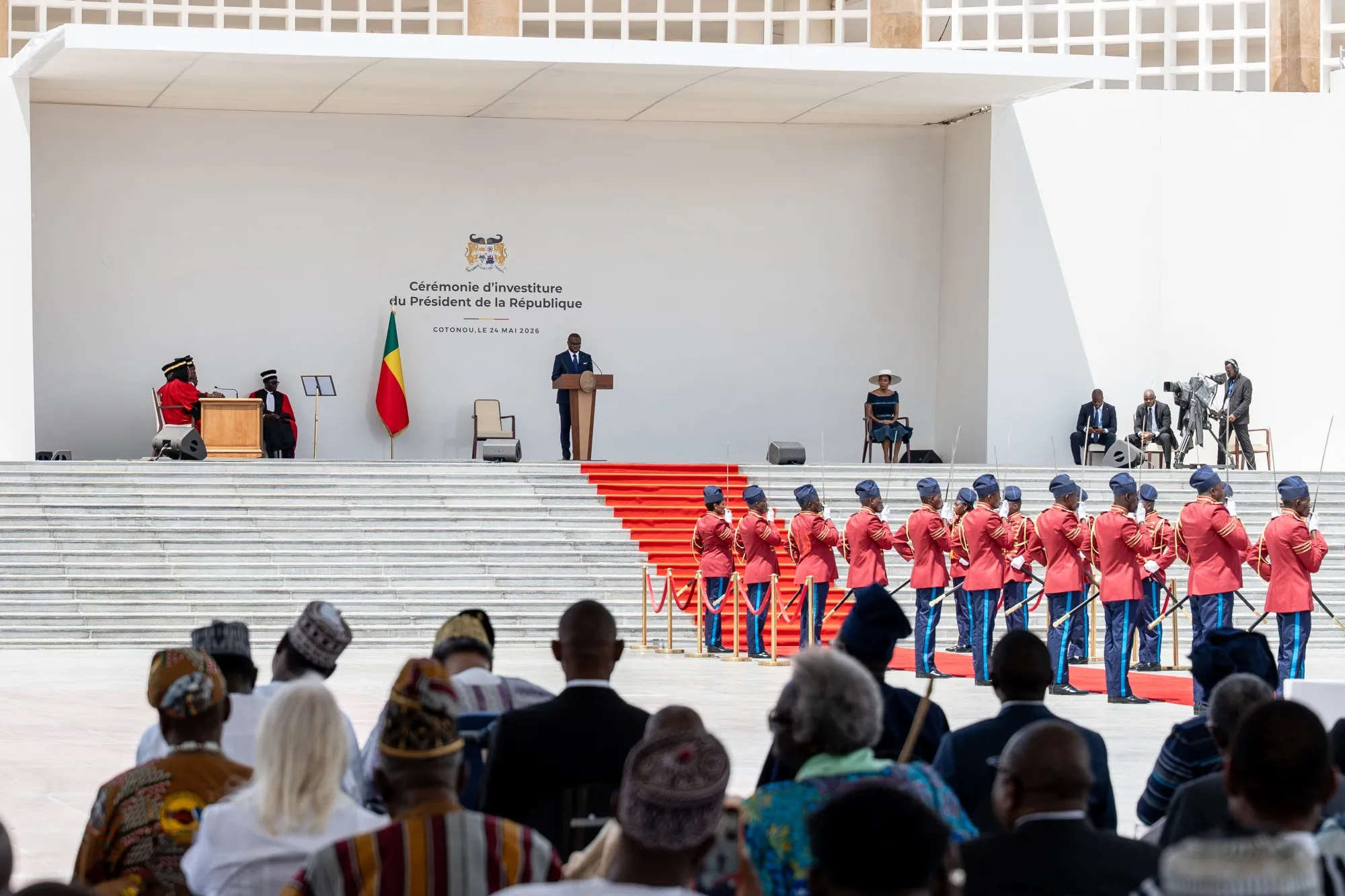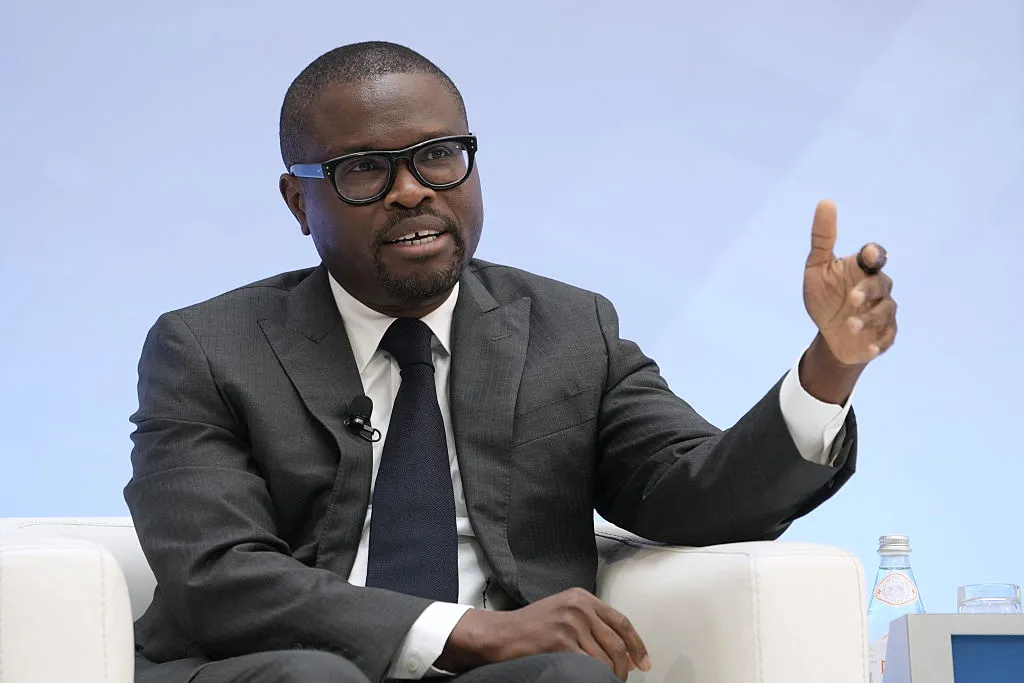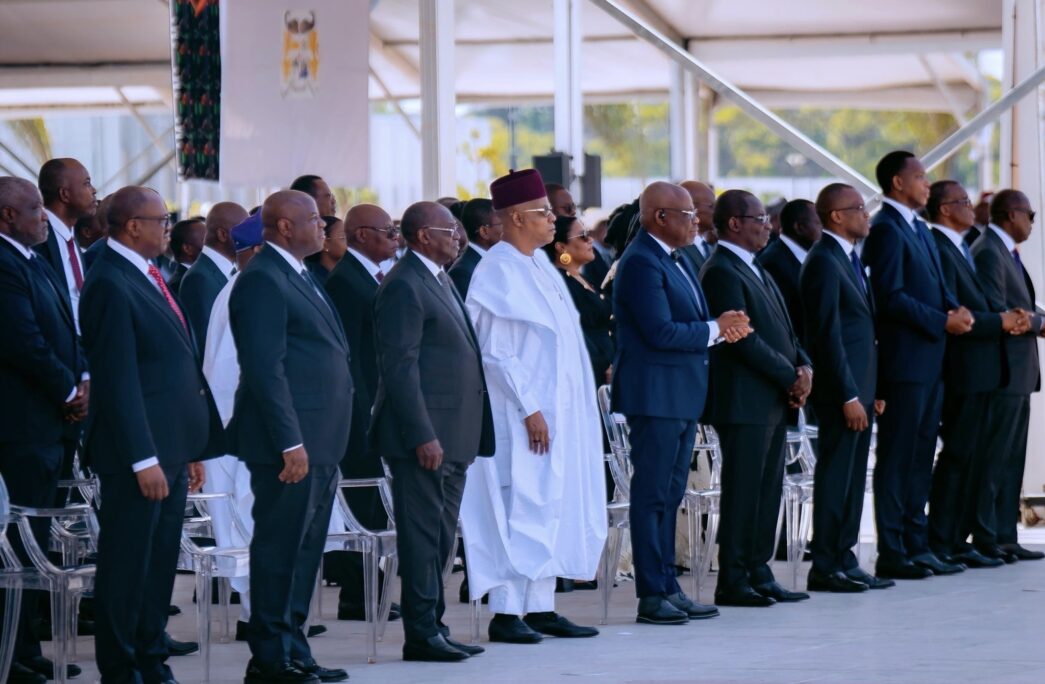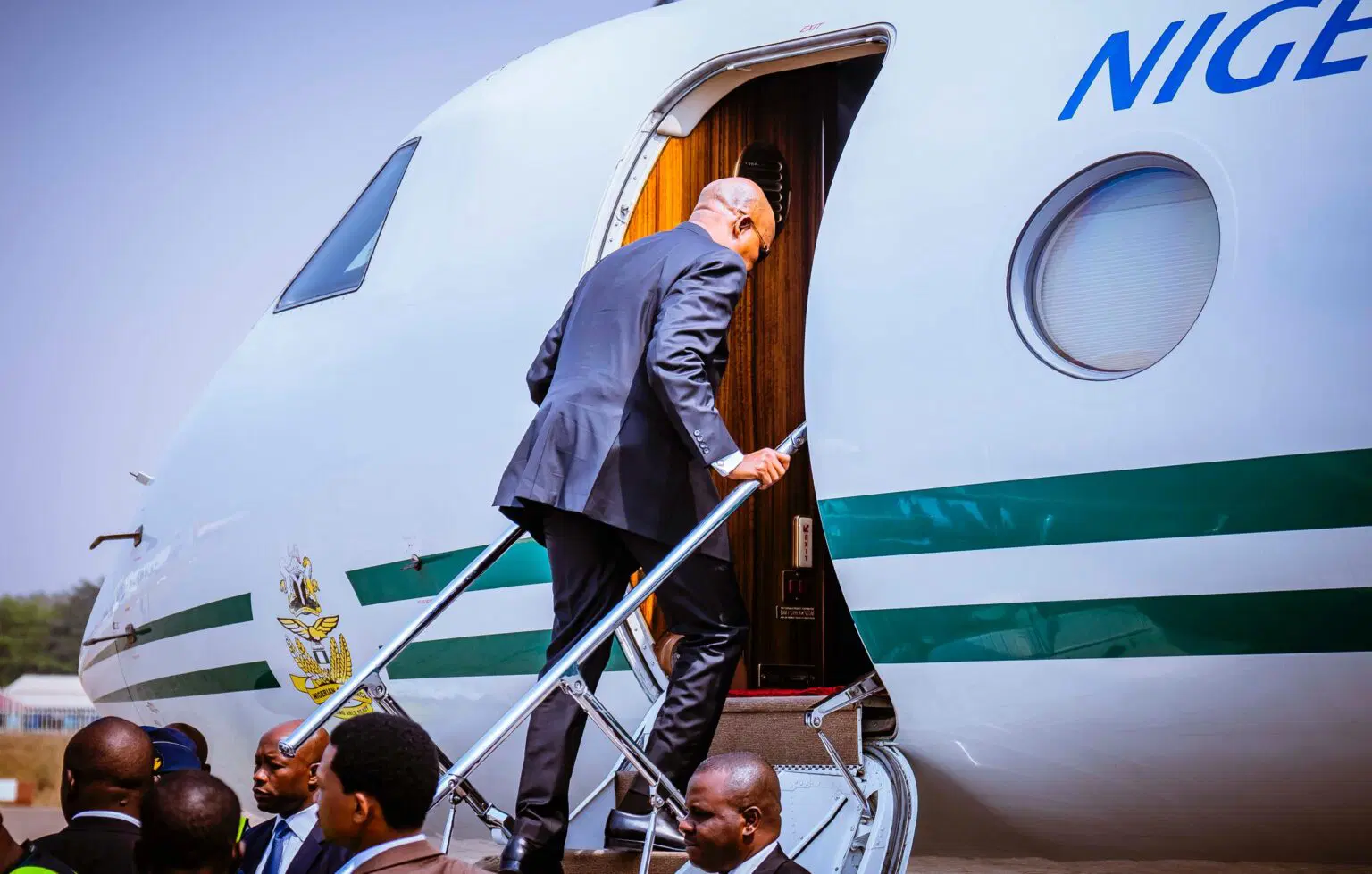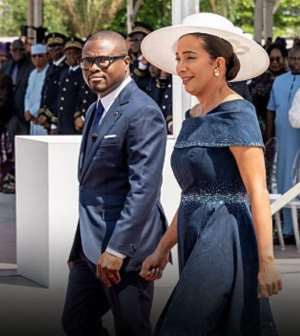
Romuald Wadagni was sworn in as President of Benin on Sunday, May 24, during a solemn ceremony held at the Congress Palace in Cotonou. The event marked a significant transition for the West African nation, with the new president pledging to uphold integrity and security throughout his tenure. Addressing a distinguished gathering of national and international dignitaries, President Wadagni articulated a clear vision for his administration, emphasizing accountability and national cohesion.
During his inaugural address, President Wadagni delivered a powerful message, stating, "I will serve Benin with integrity, courage and commitment. I will serve with the constant knowledge that power is never a personal privilege." This declaration showed his commitment to transparent governance and a rejection of personal enrichment through public office. He further emphasized a strong stance on national security and unity, issues that have become increasingly pressing for the region. "Benin will not give in to fear nor complacency. The government will be firm against all those who threaten our unity and security," Romuald Wadagni declared, signaling a resolute approach to safeguarding the nation's sovereignty and stability. The gravity of his words resonated with the attendees, setting a serious tone for the challenges and responsibilities ahead.
Election and Presidential Path
Romuald Wadagni’s ascension to the presidency followed a decisive electoral victory where he was elected with an overwhelming 94 percent of the ballots cast. His path to the highest office saw him running against Paul Hounkpe, his sole token opponent, in an election that showed the political landscape of the country. At 49 years old, Mr. Wadagni brings a wealth of experience from both the private and public sectors to the presidency, a background that is expected to inform his leadership style and policy decisions.
His professional journey began in the demanding environment of Deloitte, a globally recognized professional services network, where he honed his expertise in finance and management. This foundational experience in the private sector provided him with a deep understanding of economic mechanisms and organizational efficiency. His career in government is equally distinguished, notably including his service as minister of economy and finance, a key role he first assumed in 2016. Demonstrating continued trust in his capabilities, he was reappointed to this significant ministerial position in 2021. This extensive ministerial tenure, which saw him manage the nation's finances for several years, directly preceded his presidential election, positioning him as a figure deeply familiar with Benin's economic realities and governmental operations. The presidential term in Benin is set at seven years, a duration established following a constitutional reform, and under this reformed constitution, a president is permitted to serve a maximum of two terms, providing a framework for long-term governance.
Key Policy Priorities
President Romuald Wadagni's inaugural pledges extended beyond general commitments, delving into specific areas of critical national importance. He reiterated his vow to serve Benin with integrity, courage, and commitment, laying the groundwork for an administration focused on good governance. Crucially, he also vowed to address the escalating security crisis along Benin's northern borders, a region that has witnessed a concerning rise in instability. This commitment follows growing concerns over regional stability and internal safety, as the threat of extremist violence encroaches upon West African nations.
The violence in the northern parts of the country is primarily attributed to Al-Qaeda's Sahel branch, the Group for the Support of Islam and Muslims (JNIM). This formidable extremist organization operates across the wider Sahel region, impacting several West African nations, including Mali, Burkina Faso, and Niger, and now posing a direct threat to Benin's frontier communities. The JNIM's activities, characterized by attacks on security forces and civilians, displacement, and the imposition of their ideology, represent a significant challenge that Wadagni’s administration must confront head-on.
Among his formidable diplomatic tasks, President Wadagni faces the intricate challenge of stabilizing ties with Benin's junta-ruled neighbors, Niger and Burkina Faso. Relations with these countries have become notably complex in recent years, marked by political shifts and regional security concerns, which have consequently affected regional cooperation and broader security efforts. Wadagni’s administration is therefore expected to engage in proactive and nuanced diplomatic initiatives aimed at fostering better relations, rebuilding trust, and addressing shared security concerns with these bordering nations. The new president's full focus on both internal integrity and strong external security shows the multifaceted and pressing challenges that lie ahead for Benin under his leadership. His ability to navigate these complex domestic and regional issues will be a defining characteristic of his presidency.
Economic Legacy and Challenges
Benin has experienced a decade of strong economic growth since 2016, a period that significantly coincided with Romuald Wadagni’s influential tenure as finance minister. During his time in that key role, Benin's public finances underwent a substantial transformation and were significantly improved, reflecting prudent fiscal management and strategic economic policies. A notable achievement under his stewardship was the reduction of the national deficit by a third, ultimately bringing it to a commendable three percent of GDP. This fiscal discipline and economic progress contributed to a period of stability and development for the country.
Despite this impressive economic development and fiscal improvement, a significant wealth gap continues to persist within the country. This disparity in wealth distribution presents an ongoing and critical challenge for the new administration, requiring policies that aim for more inclusive growth and poverty reduction. Addressing this socio-economic imbalance will be key for ensuring that the benefits of economic growth are shared more broadly among the populace.
The political landscape surrounding the recent elections also noted internal divisions and challenges within the democratic process. The main opposition party, the Democrats, was notably unable to participate in the presidential elections, a situation that drew considerable attention. This inability stemmed from a combination of factors, primarily insufficient endorsements required for candidate registration and, critically, internal rifts within the party itself. These internal divisions and procedural hurdles ultimately prevented their candidates from being registered to contest the vote, effectively limiting the scope of political competition. This aspect of the election shows the need for continued efforts to strengthen democratic institutions and ensure broader political participation in Benin.
President Romuald Wadagni's inauguration marks the beginning of a critical period for Benin. His administration is tasked with building upon a foundation of economic progress while simultaneously confronting pressing security threats and working to bridge socio-economic divides. His pledges of integrity, courage, and commitment, coupled with his extensive experience, position him to lead Benin through these complex challenges, striving for a future of enhanced stability, prosperity, and national unity. The coming years will reveal the full impact of his leadership on the nation's trajectory.