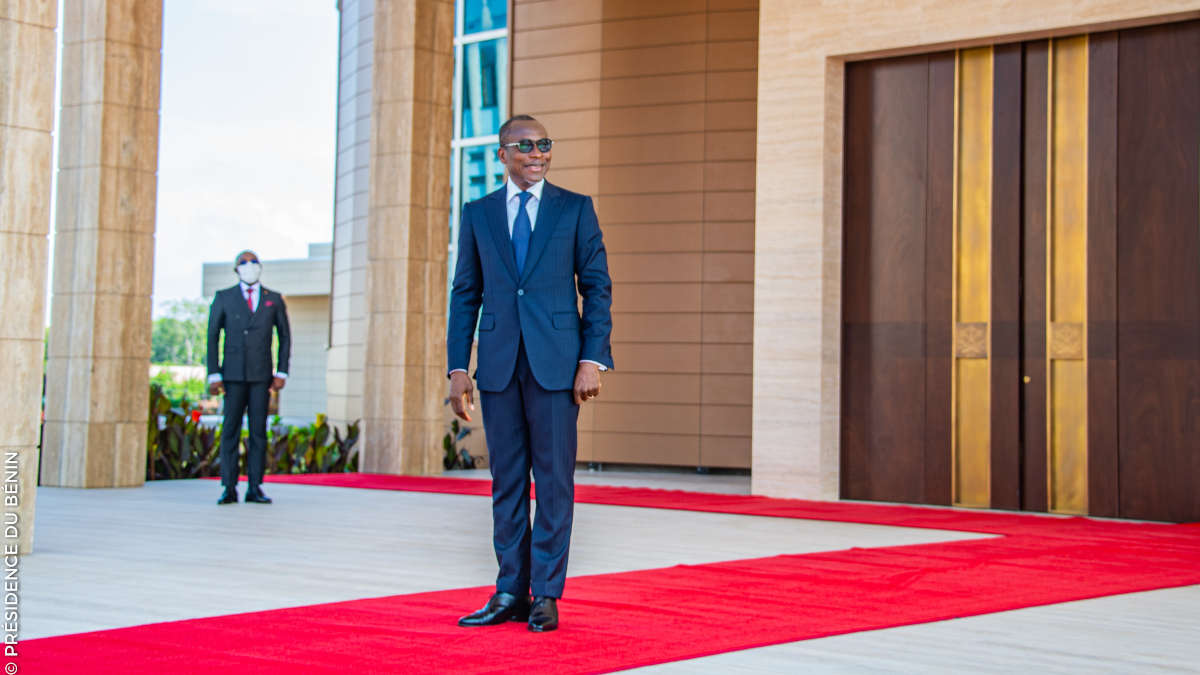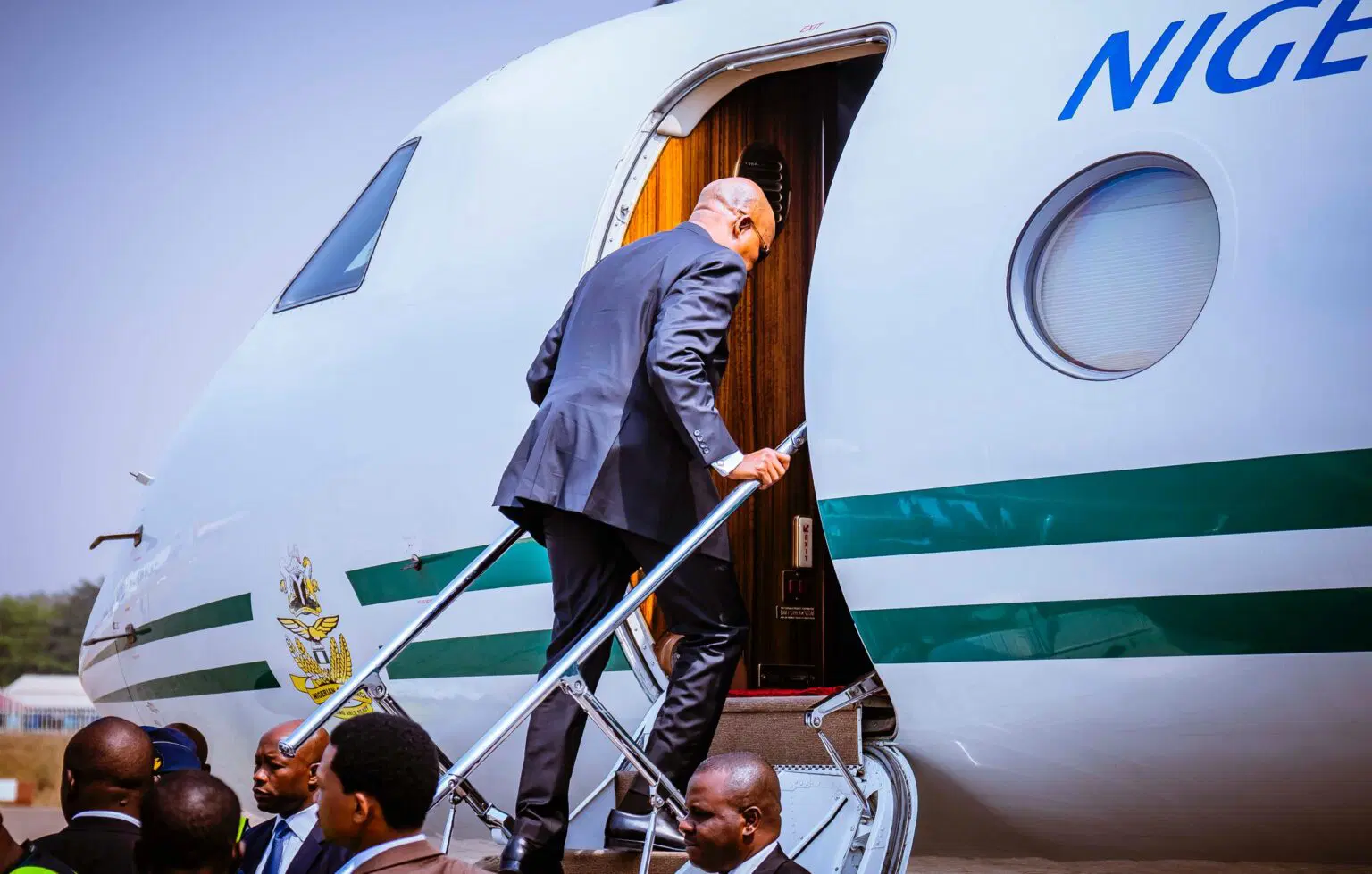
Vice President Kashim Shettima departed Abuja on Saturday to represent President Bola Tinubu at the inauguration of Romuald Wadagni, President of the Republic of Benin. The Vice President’s departure from the Nigerian capital shows the importance Nigeria places on regional diplomatic engagements and strengthening ties with its immediate neighbors. Mr. Stanley Nkwocha, Senior Special Assistant to the President on Media and Communications (Office of the Vice President), announced the departure in a statement, providing official confirmation of the Vice President's mission. The inauguration ceremony for Romuald Wadagni, who is assuming the presidency of the Republic of Benin, is scheduled to take place on Sunday, May 24, at the Presidential Palace in Cotonou, the economic capital of Benin. This high-level representation by Vice President Shettima notes Nigeria's commitment to fostering stability and cooperation within the West African sub-region.
Delegation and Itinerary
Vice President Kashim Shettima's delegation includes senior aides and several top government functionaries, reflecting the significance of the diplomatic mission. The Vice President is being accompanied by these officials, who are expected to provide support and participate in various engagements during the visit. While the full composition of the accompanying officials has not been entirely disclosed, their presence emphasizes the full nature of Nigeria's diplomatic outreach. The delegation’s participation in the inauguration events alongside the Vice President is a key aspect of their visit. Following the official ceremonies and engagements in the Republic of Benin, Vice President Shettima is scheduled to return to Nigeria. His return will mark the conclusion of his official representation of President Bola Tinubu at the presidential inauguration. The itinerary confirms a direct return to Nigeria after the event in Cotonou, ensuring a focused and efficient diplomatic mission.
Nigeria-Benin Relations
Benin and Nigeria share deep historical, socio-cultural, and economic ties, according to official statements from both nations. These connections encompass a range of shared heritage, including ethnic groups, cultural practices, and ongoing interactions between the two West African nations. Their bilateral relations are frequently defined by key areas including border security, which is key for managing cross-border movements and combating illicit activities. Trade policies also form a significant component of their relationship, with both countries actively working to facilitate commerce and economic exchange. Energy cooperation remains a vital aspect, addressing shared needs and infrastructure development. The two countries often engage in discussions and initiatives aimed at addressing these shared interests and challenges, fostering a collaborative approach to regional development and security. The consistent high-level engagement between Nigeria and Benin shows the mutual recognition of their intertwined destinies and the necessity of close collaboration.
Broader Diplomatic Context
The Republic of Benin, a West African nation, shares extensive borders with Nigeria, making their relationship particularly strategic. Both countries are integral members of the Economic Community of West African States (ECOWAS), an organization focused on regional economic integration, political cooperation, and collective security. Vice President Kashim Shettima's participation in the inauguration of Romuald Wadagni shows the diplomatic importance Nigeria places on maintaining strong bilateral relations with its neighbors, especially those with whom it shares significant geographical and economic interfaces. Nigeria often plays a significant role in regional affairs, leveraging its economic and demographic strength to promote peace and stability. High-level representation at such events is a standard practice to reinforce alliances, demonstrate solidarity, and foster stability across the sub-region. President Bola Tinubu's decision to dispatch Vice President Shettima for the ceremony in Cotonou reflects a continued commitment to strengthening these regional partnerships and addressing shared challenges within the West African sub-region, including security concerns, economic development, and political stability. Such engagements are vital for advancing Nigeria's foreign policy objectives and ensuring a cohesive regional front.