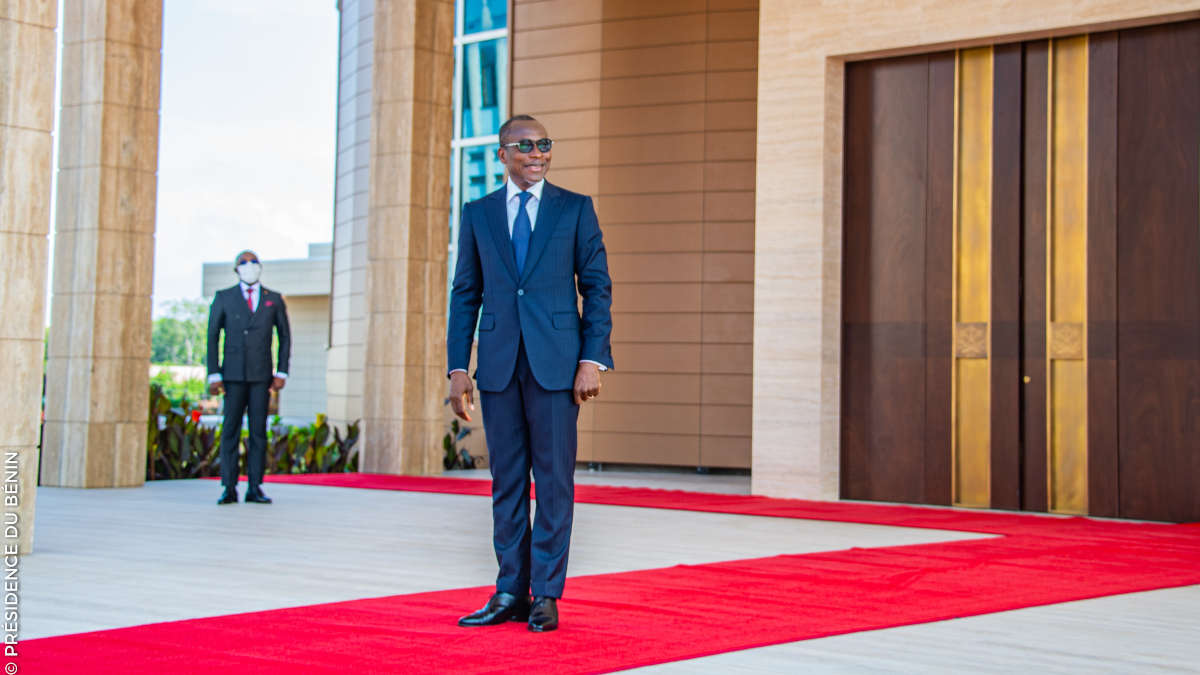
Benin's President Patrice Talon is preparing to hand over power on Sunday, 24 May 2026, marking the end of his tenure which began in April 2016. President Talon assumed office in April 2016, embarking on a period characterized by significant economic reforms and infrastructure development. Government spokesman Wilfried Houngbédji addressed the upcoming transition and various political issues during a recent press conference, providing insights into the government's perspective on the nation's trajectory. Houngbédji stated, "In 96 hours, many things can happen — including things you do not hope for, and perhaps also things you hope for may not come to pass," acknowledging the inherent unpredictability of political transitions and the dynamic nature of the country's political landscape.
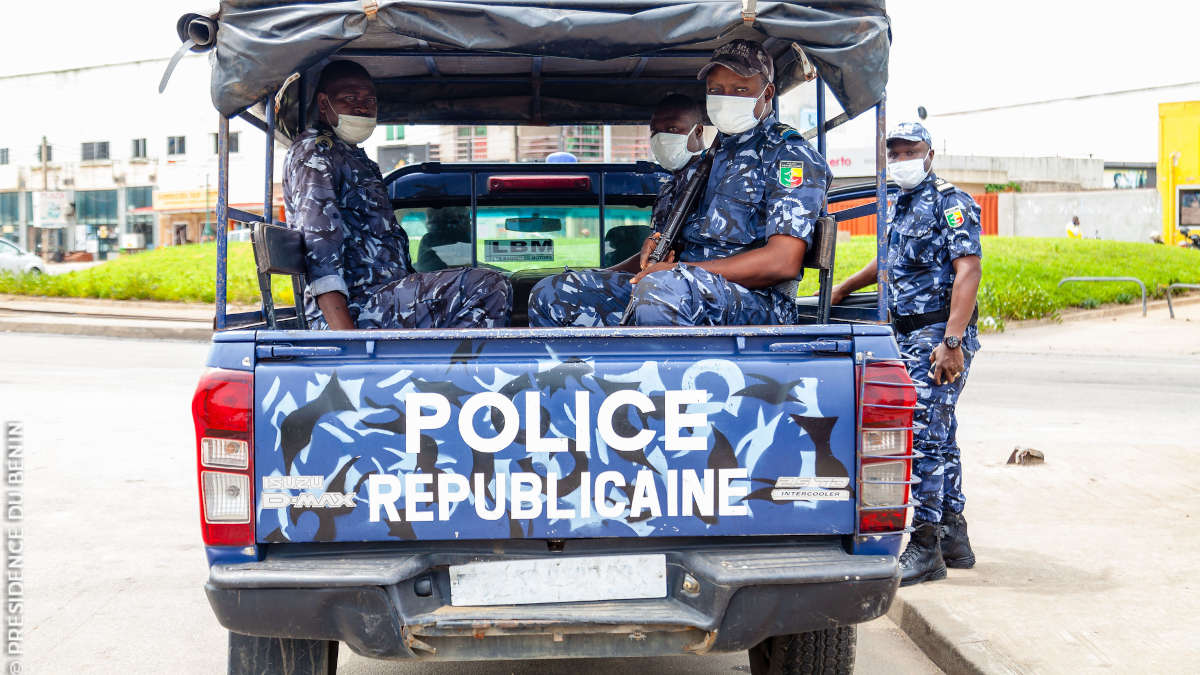
During the press conference, Houngbédji also addressed persistent concerns regarding individuals described as political detainees. He clarified the government's stance, asserting, "These are political actors in prison for various offences. That does not make them political prisoners." This statement aimed to differentiate between political opposition and legal infractions, framing the detentions within a judicial context. He further elaborated on Benin's democratic development, offering a nuanced perspective on its evolution. "We don’t have fifty years of continuous democratic practice in Benin. Western countries apply democracy differently. The principles are the same. We must take them and adapt them. It was useless for us to ape what others have been doing for 300, sometimes 500 years." He added, with a note of solemnity, "Humanely, it is deplorable," referring to the challenging aspects of political processes and their human impact. This reflection showed the government's view on tailoring democratic principles to Benin's specific context and history.
Economic Transformation and Fiscal Health
Benin's economy experienced significant growth under President Patrice Talon's administration, with its Gross Domestic Product (GDP) growth rate increasing substantially from 3.3% in 2016 to a strong 7.5% by 2024. This notable acceleration in economic activity notes the impact of the government's policies and reforms. The nation also demonstrated remarkable resilience during the global Covid-19 pandemic, a period that saw many economies falter, maintaining a positive GDP growth of 3.8%. This achievement showed the underlying strength and adaptability of Benin's economic framework. Economic stability efforts, a cornerstone of the administration's financial strategy, contributed to inflation being effectively contained at 2.2% in 2024, a key indicator of macroeconomic health.
Fiscal improvements were also a hallmark of this period. The budget deficit, which stood at a challenging 6% in 2015, is projected to fall significantly to 2.9% in 2025, demonstrating a strong commitment to fiscal consolidation and responsible spending. The tax-to-GDP ratio, a key measure of a government's ability to generate revenue, saw a healthy increase from 13% in 2017 to 15.5% in 2024, indicating enhanced revenue collection capabilities and a broadening of the tax base. These improvements reflect a concerted effort to strengthen public finances and ensure long-term sustainability.
International credit rating agencies have acknowledged these substantial economic advancements, reinforcing confidence in Benin's financial management. Standard & Poor’s, a leading global rating agency, upgraded Benin's credit rating to BB- with a stable outlook in 2024. This upgrade signals improved creditworthiness and a positive assessment of the country's economic prospects. Similarly, Fitch, another prominent agency, affirmed Benin's B+ rating in March 2025, further validating the country's financial stability. These ratings reflect growing investor confidence in the country's economic management and its promising fiscal trajectory, making it a more attractive destination for foreign investment.
Benin successfully accessed international financial markets in January 2025, a testament to its improved standing, raising a total of one billion euros and dollars. This significant fundraising included a $500 million Eurobond and a €500 million structured loan, diversifying its funding sources and demonstrating its capacity to attract large-scale international capital. Domestically, the Beninese Treasury also proved its ability to secure financing by raising over 20 billion CFA francs on the WAEMU market on 3 April 2025, further showcasing its strong financial management. Public debt is projected to be 52.4% of GDP in 2025, a figure that reflects the overall fiscal position while remaining within manageable levels given the country's economic growth. The economic leadership during this period drew significant international recognition, with Romuald Wadagni, Benin's distinguished Minister of Finance, being named Africa’s best finance minister at the end of 2024. His tenure oversaw the careful implementation of full reforms aimed at strengthening public finances, enhancing transparency, and fostering economic diversification across various sectors of the economy.
Social Programs and Infrastructure
Social programs and infrastructure development formed a key part of President Patrice Talon's second term agenda, aiming to translate economic gains into tangible improvements for citizens. A notable initiative, the Glo-Djigbé Special Economic Zone (GDIZ), which commenced operations in 2021, has reportedly created more than 14,000 jobs. This ambitious zone aims to boost industrialization, attract foreign direct investment, and significantly enhance employment opportunities within the country, contributing to sustainable economic growth and poverty reduction.
In the key sector of education, the Integrated National School Feeding Programme (Pnasi) has made substantial strides, currently providing nutritious meals to over 1.2 million pupils across Benin. This widespread program seeks not only to improve nutrition and health outcomes for children but also to significantly enhance school attendance and retention rates, particularly in vulnerable communities. Additionally, efforts to promote gender equality in education have been vigorously pursued, culminating in free schooling for girls being extended nationwide to cover all levels up to the end of lower secondary education, a policy implemented effective from October 2024. This initiative aims to remove financial barriers and encourage greater enrollment and completion rates for girls, fostering a more equitable educational landscape.
Infrastructure improvements have also focused extensively on enhancing access to electricity, a critical component for both economic development and quality of life. Data indicates that rural electrification in Benin has reached 36% of the population, a significant increase that brings power to previously underserved areas. In urban areas, electricity coverage is significantly higher, standing at 69%, reflecting a more developed grid and greater access in metropolitan centers. These figures highlight ongoing and dedicated efforts to expand access to energy across the country, addressing the needs of both urban and rural populations and laying the groundwork for further industrial and social development. These infrastructure projects are integral to the administration's vision for a modern and prosperous Benin.
Political Tensions and Contested Reforms
President Patrice Talon chaired his final cabinet meeting on Wednesday, marking a significant and symbolic step in the transition process as his second term draws to a close. The meeting took place amidst ongoing discussions about the nation's political climate, which has been characterized by both economic progress and periods of heightened tension.
In a related and widely observed development, 169 employees of the state-run Radio and Television of Benin (SRTB) were dismissed, effective 13 May 2026. The dismissals at the public broadcaster have been noted by observers as occurring during a period of considerable political sensitivity leading up to the presidential transition, drawing attention to broader questions of media independence and freedom.
Concerns about political freedoms and the space for dissent have been raised by some groups, particularly regarding the status of prominent opposition figures. Reckya Madougou, Joël Aïvo, and Olivier Boko are among the detained individuals specifically identified as opposition figures, whose cases have drew international attention and scrutiny. Their detentions have been a significant point of contention in Benin's political landscape, sparking debates about due process and political pluralism. The government has consistently maintained its position, as articulated by spokesman Wilfried Houngbédji, stating that those imprisoned are held for various offenses under the law, not solely for political affiliation. These events contribute to a broader narrative of political tensions coexisting with the country's impressive economic advancements as President Talon's term concludes. The situation surrounding these figures continues to draw attention, influencing perceptions of political openness and the future direction of democracy in Benin.