Benin has reformed its national identification system, providing undocumented citizens with the "C'est Moi" card to unlock access to vital services such as education, credit, and employment. This full national ID reform is designed to ensure that previously unregistered individuals gain full access to the fundamental services necessary for social and economic participation. The initiative aims to integrate previously unregistered individuals into the formal economy and society, addressing a critical barrier to development and inclusion. The "C'est Moi" card specifically grants its holders access to education, entrepreneurship opportunities, employment, and full citizenship rights within Benin. This reform addresses a long-standing challenge of formal identification for many Beninese residents, ensuring that undocumented citizens now have access to education, credit, and essential services. The introduction of this card marks a key moment for the nation, emphasizing that legal identity is a gateway to a myriad of opportunities.
A Nation's Transformation Towards Inclusive Identity
Benin has transitioned from a country where one-quarter of its population lacked a birth certificate to a nation where identity is considered a shared right, according to official figures. This significant shift reflects a concerted effort to ensure broad access to formal identification for all its citizens. The country has achieved a remarkable milestone, with nearly 99% of its total population now biometrically enrolled in the national identification system. This extensive enrollment shows the government's commitment to universal legal identity.
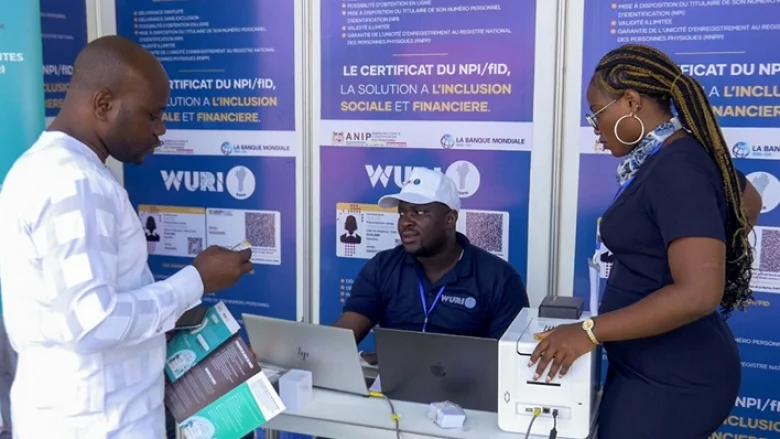
This widespread biometric enrollment is a foundational step in building a strong and inclusive identification framework. By the end of May 2025, more than 7.7 million individuals in Benin have been issued their Personal Identification Number (NPI). This widespread enrollment is a critical component of the government's broader digital transformation strategy, aiming to modernize public services and enhance administrative efficiency. The national identification project also plays a key supporting role in the government's safety net programs, aiming to streamline the delivery of social assistance to those most in need. The initiative is instrumental in the operationalization of the Single Social Registry within Benin, which consolidates data for various social welfare programs, making it easier to identify and support vulnerable populations. The full nature of this project ensures that identity is not merely a document but a pathway to sustained support and integration into society.
Lives Changed by Identity: Real-World Impact
The government-led "C'est Moi" card, supported by the World Bank's West Africa Unique Identification for Regional Integration and Inclusion (WURI) project, has reached more than 7.7 million people. This extensive reach notes the scale and impact of the initiative across the nation. Over 6.1 million certificates have been issued free of charge across Benin, providing formal identification to a significant portion of the population who previously lacked it. The provision of these certificates free of charge removes financial barriers, ensuring that economic status does not impede access to legal identity. The card has directly impacted individuals like Simplice, an 11-year-old student in Kouatena, North West Benin, whose "C'est Moi" card is now essential for him to pass his primary school certificate. For Simplice and countless other students, the card is not just an ID; it is a key to educational progression and future prospects.
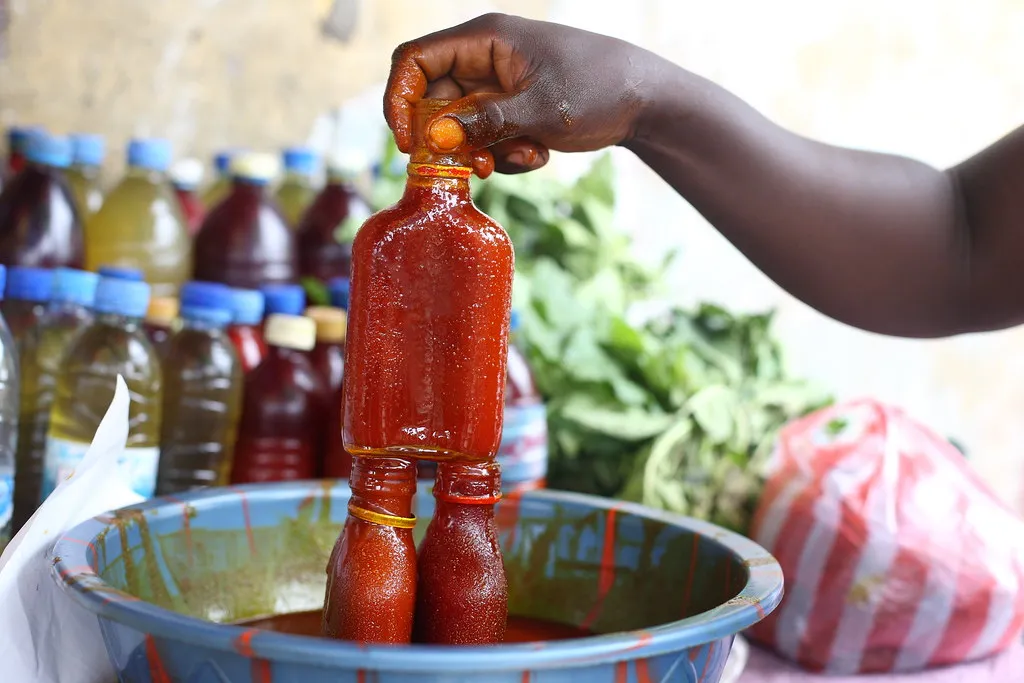
For many, the card has opened doors to economic empowerment, transforming livelihoods and fostering entrepreneurship. Pélagie Sagbo, a palm oil trader in Adjarra, utilized her "C'est Moi" card to secure a loan and establish her own shop. This access to credit, previously unavailable to her without formal identification, allowed her to transition from an informal vendor to a recognized business owner. Sagbo stated, "As soon as I got one, my life changed. I was able to take out a loan, open my own shop, and now I take care of my children." Her story is a testament to how legal identity can unlock financial services and enable self-sufficiency. Similarly, Augustine Assogba, a haberdashery seller, used her "C'est Moi" card to access training, open a Mobile Money account, and receive a loan. This full support enabled her to launch her own business, providing her with the tools and capital needed to thrive. "Thanks to the 'C'est Moi' card, I received training, opened a Mobile Money account, and received a loan. Now I have my own business and pay for my children's schooling," Assogba explained, adding, "I never thought this possible." These accounts illustrate the tangible benefits the identification card has brought to daily lives and economic prospects in Benin, demonstrating how facilitating access to legal identity is paving the way to employment, entrepreneurship, and economic inclusion for millions of Beninese people. The "C'est Moi" card in Benin provides access not only to education and employment but also specifically to entrepreneurship opportunities and full citizenship.
Global Support and Regional Reach
The project in Benin is facilitating access to legal identity, which officials claim is paving the way for employment, entrepreneurship, and economic inclusion for millions of Beninese citizens. This initiative aligns with broader regional goals for development and integration. The broader Regional Unique Identification Project (WURI), which supports Benin's initiative, aims to establish identity as a fundamental right for all, recognizing its key role in fostering inclusive societies and economies across West Africa. The World Bank finances the WURI project with a substantial total allocation of $273 million, showing the international community's commitment to this transformative agenda. Of this amount, $45 million in funding is specifically allocated for Benin's identification efforts, noting the country's strategic importance within the regional project. In addition to Benin, the WURI project benefits five other West African countries: Burkina Faso, Côte d'Ivoire, Guinea, Niger, and Togo. This regional approach ensures that the benefits of unique identification systems are shared across borders, promoting regional integration and facilitating cross-border access to services and opportunities for citizens throughout West Africa. The WURI project's full scope and significant funding reflect a concerted effort to empower individuals and strengthen national and regional development through universal legal identity.