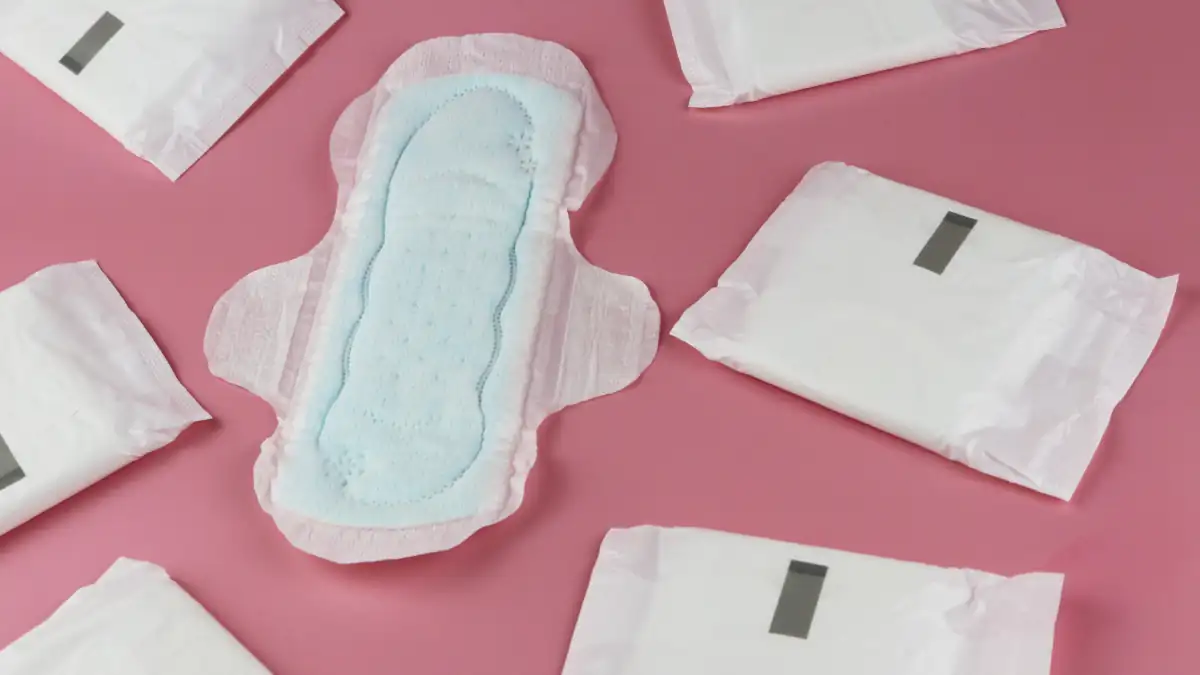
In Benin, topics related to sexual and reproductive health continue to be taboo, often shrouded in silence and cultural misconceptions. This widespread silence extends significantly to menstruation, a natural biological process that many young girls experience without adequate preparation or understanding. In response to this pressing issue, the Fondation Victoire Davison and DG Partners ONG are actively engaged in sensitizing young girls in schools on menstrual hygiene and management. These organizations address the cultural silence surrounding menstruation, aiming to empower girls with knowledge and resources. Their work across Benin seeks to dismantle misconceptions and promote healthier practices among students, ensuring they are better equipped to manage their menstrual health with dignity and confidence.
First Periods, First Fears
In Abomey-Calavi and Cotonou, two cities in Benin with special status, many young girls experience their first menstruation without prior knowledge of the biological process, leading to confusion and distress. Sofiatou, a resident of Abomey-Calavi, recalled her first experience while at a mill, an event that vividly illustrates the lack of preparation many girls face. "I was at the mill, waiting for my corn flour to take home. Suddenly, a girl younger than me told me there was blood on my loincloth," Sofiatou recounted, detailing the abrupt and public nature of her first period. She described her confusion at the time, stating, "I didn't know what to think. A thousand and one thoughts ran through my head." This initial shock is a common experience for girls who have not been educated about menstruation.
Upon returning home, Sofiatou's sister explained what menstruation was and assisted her in creating her initial menstrual pad from cloth, a common practice in communities where commercial sanitary products may be inaccessible or unaffordable. This explanation brought some relief to Sofiatou, who noted, "I was relieved to know that it's a normal thing." The simple act of understanding the biological process can significantly reduce anxiety. However, the prospect of managing future cycles presented new anxieties. "But I didn't feel ready for such an adventure where you have to know approximately when this blood flow might return and prepare for it. It's already been two years, but I still don't master my cycle," she added, noting the ongoing challenge of menstrual regularity and planning. A menstrual cycle typically spans between 21 and 35 days, with an average duration of 28 days, yet predicting its exact onset can be difficult for many, especially in the initial years.
Cultural Roots of Shame
Sofiatou, who has been experiencing menstruation for two years, stated she still does not master her cycle, showing a common difficulty among young women in understanding their own bodies. Her initial encounter with menstruation occurred at a mill, where a younger girl pointed out blood on her loincloth, an incident that brought both embarrassment and bewilderment. "I was at the mill, waiting for my corn flour to take home. Suddenly, a girl younger than me told me there was blood on my loincloth," Sofiatou recounted, adding, "I didn't know what to think. A thousand and one thoughts ran through my head." While relieved to learn it was a normal process, she expressed ongoing difficulty with predictability and preparation. "I was relieved to know that it's a normal thing. But I didn't feel ready for such an adventure where you have to know approximately when this blood flow might return and prepare for it. It's already been two years, but I still don't master my cycle," she explained, illustrating the practical challenges beyond the initial shock.
Priscillia had her first period at age 12, in 5th grade, in 2022. This early onset led to significant distress, as she endured harassment and blackmail for several years after hiding her menstruation and experiencing stains at school. Priscillia's mother believed a girl should have her first period between 17 and 18 years old, considering earlier onset a sign of being a "spoiled girl." This cultural belief imposed immense pressure on Priscillia to conceal her condition. Priscillia recalled her mother's perspective, stating, "I had my first period at school in 2022. I knew more or less what it was. But for my mother, you have to be between 17 and 18 years old to start having it. Otherwise, it means you are a spoiled girl." She described the period as traumatic, a sentiment echoed by many who face similar societal judgments. "Without lying, it was nightmarish for me. This episode of my life left me with a lot of trauma. My self-esteem took a big hit. I'm still slowly recovering from it," Priscillia said, noting the long-lasting psychological impact of such experiences. The societal stigma, often rooted in traditional beliefs, can severely affect a girl's self-perception and mental well-being.
The MSD Manual indicates that early periods in some adolescents can be explained by hormonal or genetic causes, providing a scientific counterpoint to cultural misconceptions. According to specialists and international scientific studies, early menstruation is linked to factors such as childhood overweight, modern diet, psychological stress, and exposure to endocrine disruptors. These findings show that biological and environmental factors, rather than moral failings, often dictate the timing of puberty. Research relayed by National Geographic also indicates that childhood overweight, modern diet, psychological stress, and exposure to endocrine disruptors can accelerate puberty onset, further validating the scientific understanding of this complex biological process. This scientific perspective is key in dispelling harmful myths and fostering a more informed understanding of menstrual health.
Emerging Initiatives for Change
In 2025, the Fondation des Jeunes Amazones pour le Développement (Fjad), in collaboration with international partners, organized the inaugural Semaine de la Dignité menstruelle (Sedim) in Cotonou. This event aimed to address the silence and stigma surrounding menstruation, providing education and support to young girls and the broader community. The initiative notes a growing trend in Benin to openly discuss menstrual health and hygiene, moving away from the traditional taboos. Such events are vital for creating safe spaces where girls can learn and share their experiences without fear of judgment.
The lack of open discussion has led to situations like Priscillia's, who concealed her menstruation from her mother for three years due to cultural beliefs and fear of judgment. This prolonged secrecy exacerbated her distress and isolation. Priscillia recounted her experience, stating, "I had my first period at school in 2022. I knew more or less what it was. But for my mother, you have to be between 17 and 18 years old to start having it. Otherwise, it means you are a spoiled girl. I then asked myself many questions because I had done nothing wrong, but it happened to me early." She described the period as deeply distressing, adding, "Without lying, it was nightmarish for me. This episode of my life left me with a lot of trauma. My self-esteem took a big hit. Until now, I am slowly recovering from it." Her story shows the profound need for full menstrual education that reaches both girls and their parents, fostering understanding and empathy.
Menstrual hygiene specialists emphasize the importance of proper sanitary practices to prevent health issues, which can range from infections to discomfort. They recommend changing sanitary pads every four to six hours during normal flow and every two to three hours for heavy flow to maintain cleanliness and prevent bacterial growth. For those using traditional cloth pads, specialists advise thorough cleaning to ensure they are safe and hygienic for reuse. These pads should be rinsed properly to remove blood, washed with soap free of soda to avoid irritation, and then dried in the sun or ironed. Alternatively, they can be scalded with hot water before drying to eliminate microbes, ensuring they are safe for reuse. These practical guidelines are essential for promoting good menstrual hygiene, especially in contexts where access to disposable products may be limited. The ongoing efforts by organizations like the Fondation Victoire Davison and DG Partners ONG, alongside events like Sedim, are critical steps toward breaking the silence and ensuring that every girl in Benin can manage her menstruation with knowledge, dignity, and proper care.