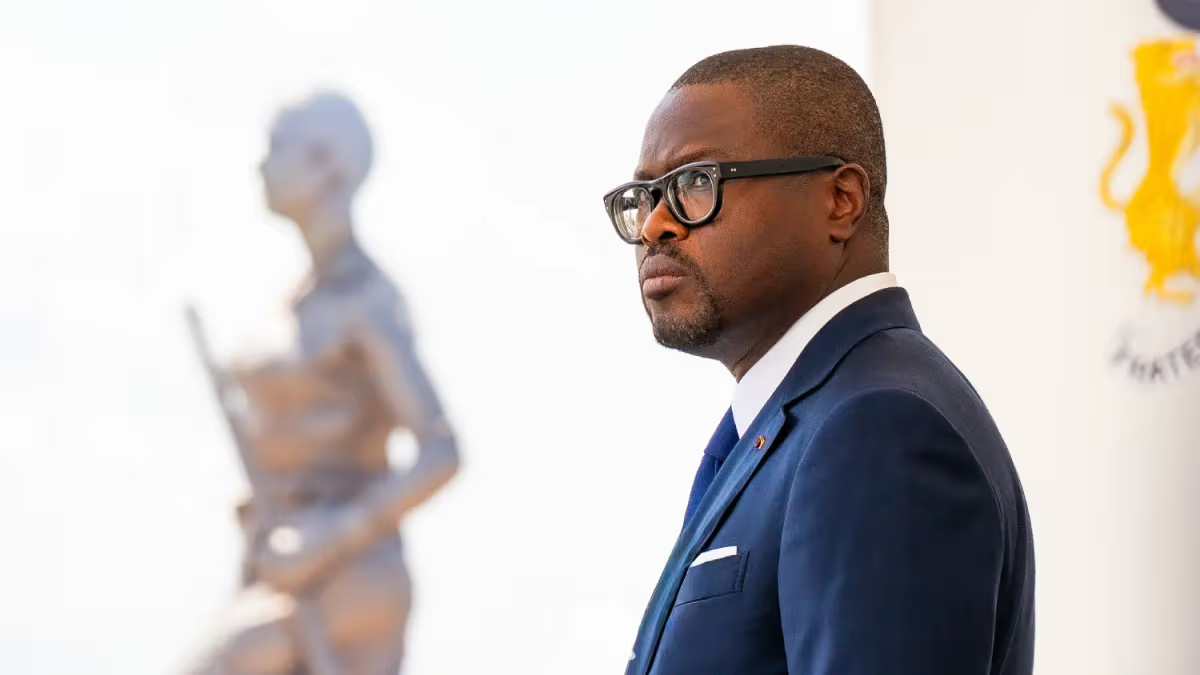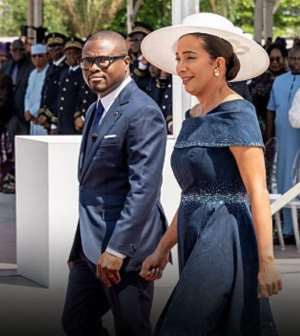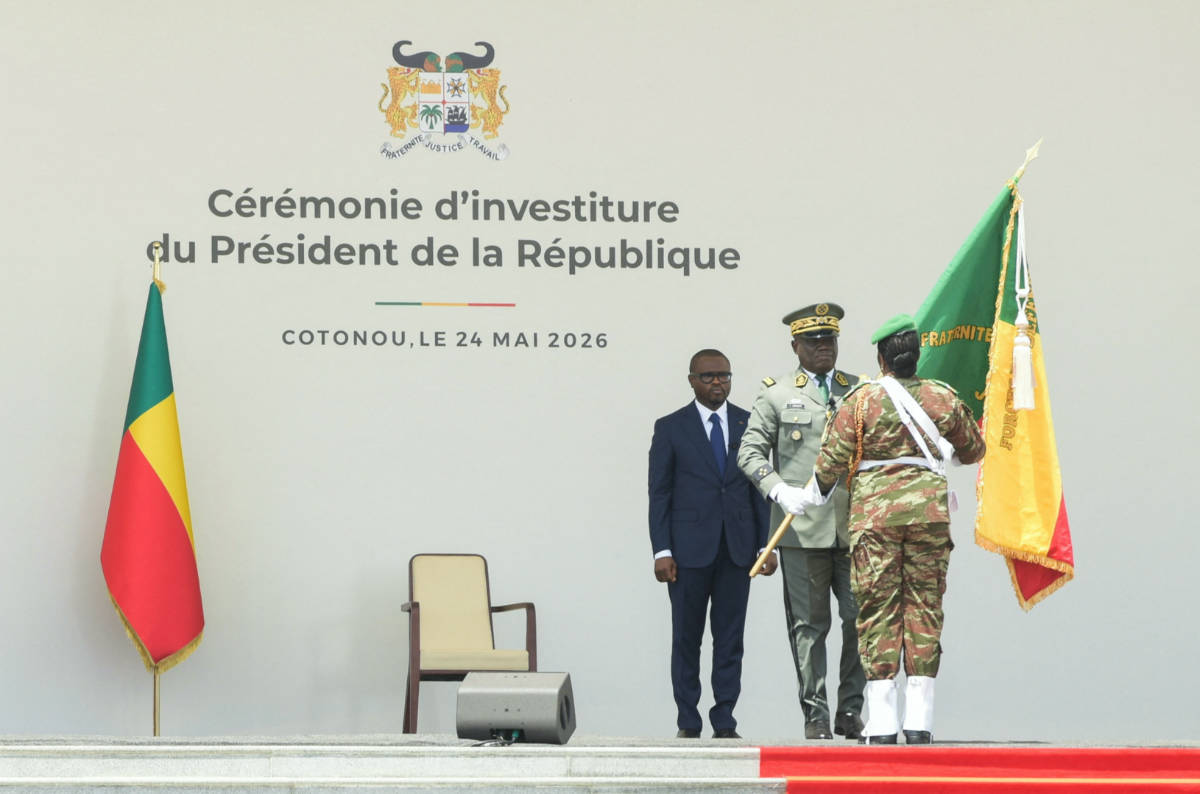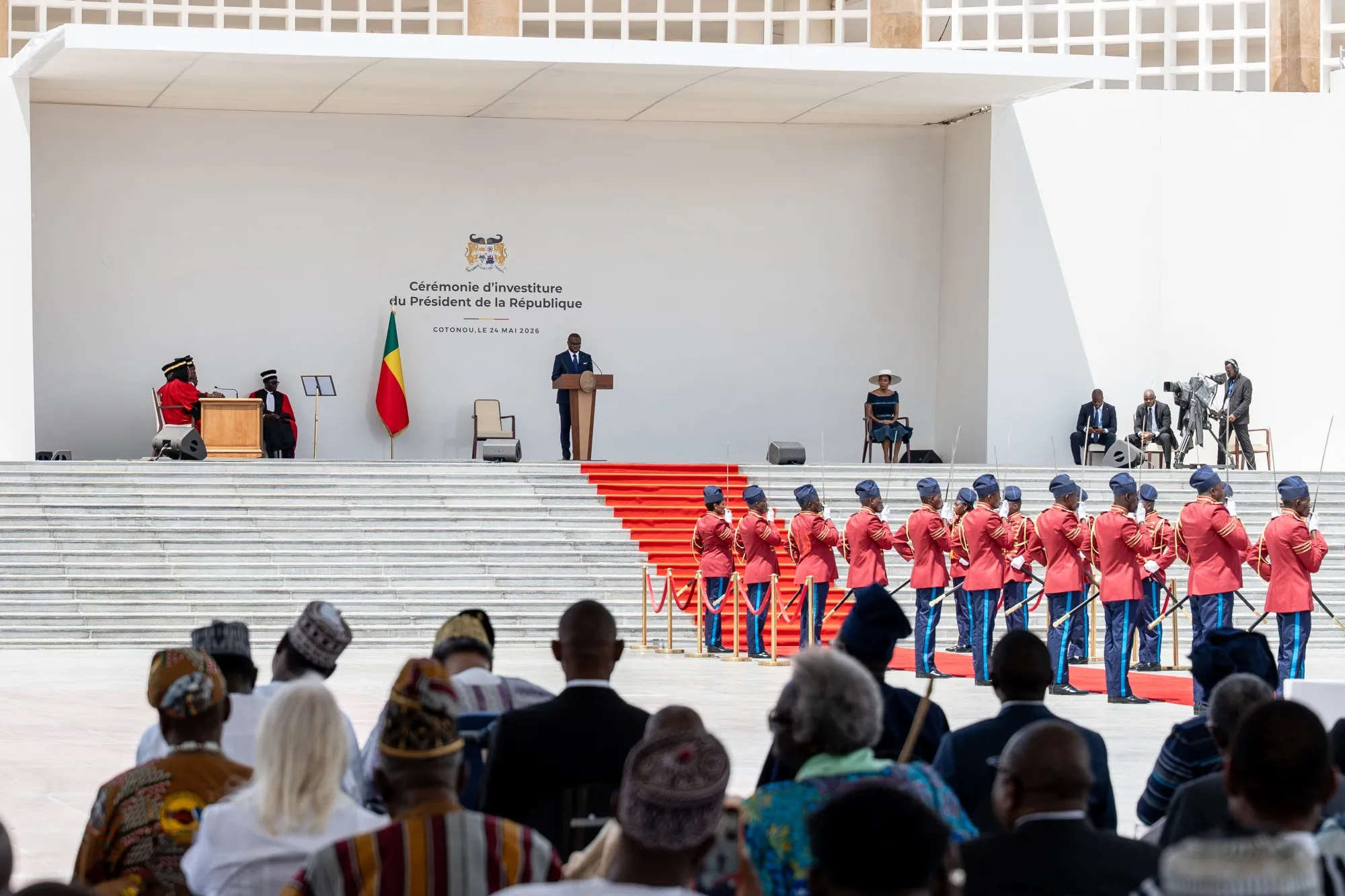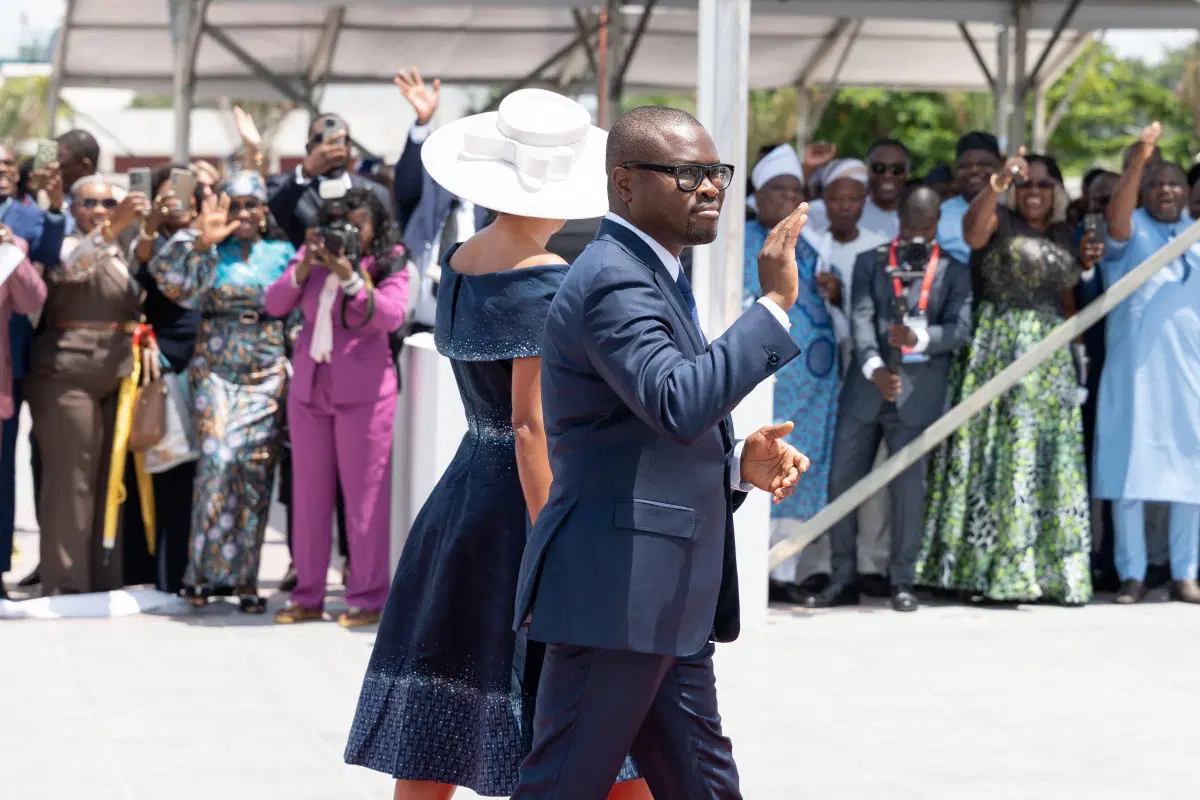
Romuald Wadagni, Benin's former finance minister, officially took office as president on May 24, 2026, succeeding Patrice Talon, who stepped down after a decade in power. Wadagni, 49, affirmed his commitment to the nation during the ceremony held in the capital city. The inauguration marked a significant transition in the West African nation's political leadership. "I will serve Benin with integrity, courage and commitment," Wadagni stated, addressing the assembled dignitaries and citizens. He further elaborated on his vision for governance, adding, "I will serve with the constant knowledge that power is never a personal privilege." This declaration set a tone of accountability and public service for his administration. He also emphasized a strong stance on national security, a critical issue for the country. "Benin will not give in to fear nor complacency," Wadagni announced, signaling a firm approach to maintaining peace and stability. He reiterated his resolve, adding, "The government will be firm against all those who threaten our unity and security," a statement that resonated given recent regional challenges.
Landslide Election Victory
Romuald Wadagni secured his presidential victory on April 12, 2026, according to official reports released by the national electoral commission. His triumph at the polls was decisive, reflecting broad support from the electorate. He won the election with a substantial 94 percent of the ballots cast, a margin that showed his popularity and the public's confidence in his leadership. Wadagni's sole opponent in the presidential race was Paul Hounkpe, who secured the remaining percentage of votes. The overwhelming victory established a clear and undeniable mandate for Wadagni's incoming administration, providing a strong foundation for his policy agenda and governance. This landslide win allowed Wadagni to begin his term with significant political capital.
Economic Stewardship and Reforms
Romuald Wadagni's previous role as finance minister for 10 years saw significant improvements in Benin's economic landscape. His tenure was characterized by a concerted effort to stabilize and strengthen the nation's financial health. During his time in office, public finances were meticulously reorganized, leading to a notable reduction in the national deficit. This strategic fiscal management resulted in the deficit being cut by one-third, ultimately reaching three percent of the country's Gross Domestic Product. This achievement was widely lauded as a testament to his expertise and effective economic policies. Separately, a constitutional reform enacted last year extended the presidential mandate in Benin from five years to seven years, a change that will provide Wadagni with a longer period to implement his long-term vision for the country. This extension aims to ensure greater continuity and stability in national leadership.
Political Landscape and Challenges
The main opposition party, the Democrats, did not participate in the recent elections, a situation attributed to insufficient endorsements and internal party divisions. This absence significantly shaped the political landscape ahead of the presidential contest, contributing to the lack of a formidable challenger to Wadagni. The party's inability to field a candidate left a void in the opposition, allowing Wadagni to consolidate support. Meanwhile, Benin faces pressing security challenges, particularly in its northern regions, where violence has been reported with increasing frequency. This unrest is primarily attributed to the Group for the Support of Islam and Muslims (JNIM), which is identified as Al-Qaeda’s Sahel branch. The presence and activities of JNIM contribute significantly to instability in areas bordering neighbors like Niger and Burkina Faso, posing a serious threat to national security and regional peace. The new administration will need to prioritize strategies to counter these extremist groups and protect its borders.
Inauguration and Regional Ties
Niger’s Prime Minister, Ali Lamine Zeine, attended Romuald Wadagni’s inauguration, marking a significant diplomatic presence at the ceremony. His attendance showed the importance of regional cooperation and bilateral relations. Zeine emphasized the potential for improved relations between the two nations following the event, expressing optimism for future collaborations. "I believe that it’s a new path that is opening," Zeine stated, noting a renewed sense of partnership. He further elaborated on the shared objectives, adding, "The most important is to work towards strengthening relations and find a way that we can work together." His attendance signals a potential for renewed cooperation after a period of strained ties between Benin and Niger, particularly concerning trade and border issues. The prime minister's remarks showed a desire for collaborative efforts in the region, which is key for addressing common challenges such as security and economic development. The presence of such a high-ranking official from a neighboring country signifies the regional importance of Wadagni's new presidency.