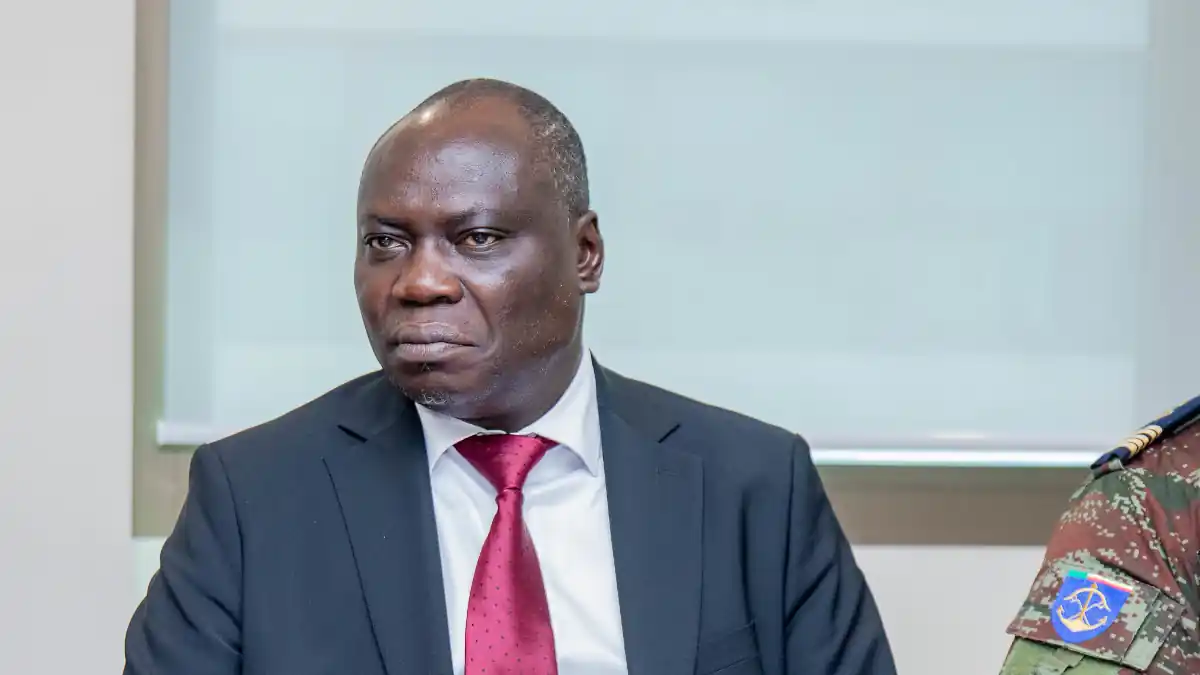
Minister Janvier Yahouédéou began a national tour of Benin on Tuesday, 13 October 2026. The Minister initiated this trip in the city of Parakou. Officials intend for the tour to evaluate administrative infrastructure across the country. Through these site visits, the government aims to identify specific needs for the future territorial development poles. This mission serves as a critical component of the ongoing administrative assessment process, ensuring that the Minister observes the current state of facilities firsthand. By visiting Parakou, the Minister establishes a baseline for the national evaluation of existing government buildings and service centers that will support future regional growth.
Meeting With Regional Prefects
Janvier Yahouédéou is scheduled to meet with the 12 prefects of Benin during his national tour. These administrative leaders will join the Minister to discuss local governance and the status of existing facilities within their respective jurisdictions. The scheduled consultations aim to gather direct feedback from regional authorities regarding the specific requirements for upcoming territorial development poles. Minister Janvier Yahouédéou plans to address administrative challenges identified by the prefects while assessing infrastructure conditions across the country. These discussions form part of the official itinerary intended to shape future government planning for regional development. The cooperation between the Minister and the 12 prefects is designed to ensure that local administrative needs are fully integrated into the national development strategy. By engaging these regional leaders, the Minister seeks to harmonize the central government’s objectives with the practical realities faced by authorities in each department.
Upcoming Tour Itinerary Stops
Minister Janvier Yahouédéou will continue his national tour with scheduled visits to the cities of Kandi, Natitingou, Djougou, and Dassa-Zoumè. These locations serve as key points for the ongoing assessment of administrative infrastructure. The Minister intends to evaluate site conditions in each of these regions to inform future territorial planning. Each stop on the itinerary provides an opportunity for the Minister to inspect the physical condition of government properties. The data collected during these visits to Kandi, Natitingou, Djougou, and Dassa-Zoumè will be compiled to support the broader national infrastructure strategy.
Government planning for the country focuses on the establishment of six territorial development poles. These defined areas include the North-East, North-West, Centre, South-East, South-West, and Grand-Nokoué. Officials intend for these poles to organize regional growth and provide a framework for future administrative investments. The designation of these six zones is intended to streamline resources and facilitate targeted government support across the nation.
Development efforts for these six poles rely on four transversal development axes. The government identifies these priority sectors as agriculture, tourism, industry, and innovation. Officials expect these four areas to guide the implementation of projects within each of the territorial development poles. By focusing on agriculture, tourism, industry, and innovation, the government aims to create a sustainable and balanced economic environment. These four pillars represent the core strategy for long-term development, ensuring that the six territorial development poles are equipped to foster growth and improve administrative service delivery for the population.