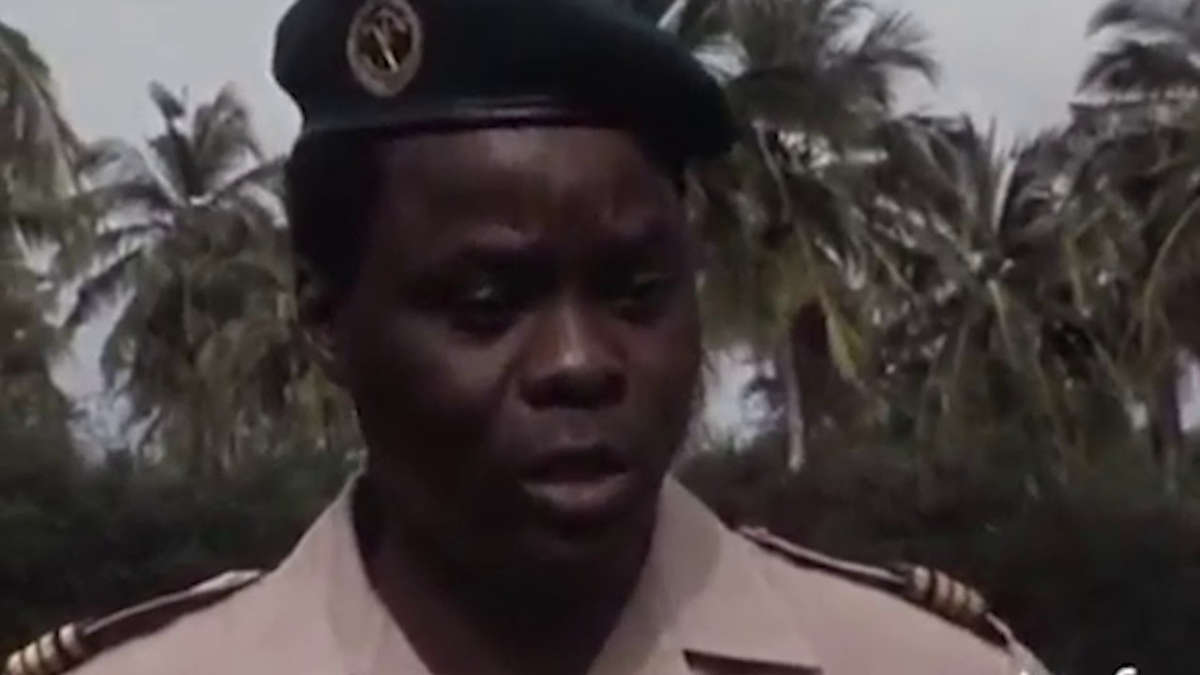
Mathieu Kérékou died on 14 October 2015 in Cotonou. The former president of Bénin was 82 years old at the time of his death. His passing marked the end of a life defined by a complex and lengthy involvement in the leadership of the nation.
Rise to Power and Ideology
Mathieu Kérékou ascended to power in Bénin following a coup d'état on 26 October 1972. This military takeover served as the catalyst for his long-term governance of the country. He subsequently maintained control over the country for nearly two decades, governing from 1972 until 1991. During this period of his administration, the state underwent a significant ideological shift. In 1974, Bénin officially adopted Marxism-Leninism as its national political orientation. This shift in policy fundamentally altered the administrative and social landscape of the state, aligning the governing structure of the country with Marxist-Leninist principles for the duration of that initial period of his rule.
Transition to Democratic Governance
Bénin experienced a fundamental shift in political structure during the National Conference of the Living Forces of the Nation, which took place in February 1990. This event served as a key moment in the political history of the country, as it facilitated the country's move away from the long-standing administration of Mathieu Kérékou and toward a multi-party democratic system. The conference brought together various sectors of the nation to discuss the future of the political environment in Bénin.
Following the conference, the nation held presidential elections in 1991. Nicéphore Dieudonné Soglo defeated Mathieu Kérékou in this electoral contest. The victory of Nicéphore Dieudonné Soglo marked the formal conclusion of the period during which Mathieu Kérékou maintained control over the country. This transition represented a significant change in the leadership of the state, as power shifted from the long-term incumbent to his successor through a democratic process.
Return to the Presidency
Mathieu Kérékou returned to the presidency in 1996 after defeating Nicéphore Dieudonné Soglo in the presidential election. This electoral victory allowed him to re-assume the leadership of Bénin five years after leaving office following his defeat in the 1991 contest. His return to the highest office in the nation demonstrated a notable shift in the political climate, as the electorate chose to return to his leadership after a period of transition.
Following his return, Mathieu Kérékou secured a second consecutive term in 2001. This re-election confirmed his continued role in the governance of the country. He remained in the presidential office for this subsequent period until 2006, when his tenure concluded. By the time he stepped down in 2006, Mathieu Kérékou had completed his final term as president, having served as the head of state across two distinct eras of the nation's history. His political career, spanning from the 1972 coup to the conclusion of his term in 2006, remains a central element of the political history of Bénin.