Schools in ten northern communes across Benin have remained closed due to escalating insecurity, impacting student access to education in border regions. The persistent closures highlight the growing challenges faced by communities in areas adjacent to Nigeria, Burkina Faso, and Niger, where militant activities have intensified. This situation has left numerous students out of classrooms, reflecting the broader instability affecting daily life and public services in these vulnerable border zones. The continued shutdown shows the difficulties authorities face in ensuring safety and stability for educational institutions amidst the prevailing security threats.
Escalating Violence Threatens Education
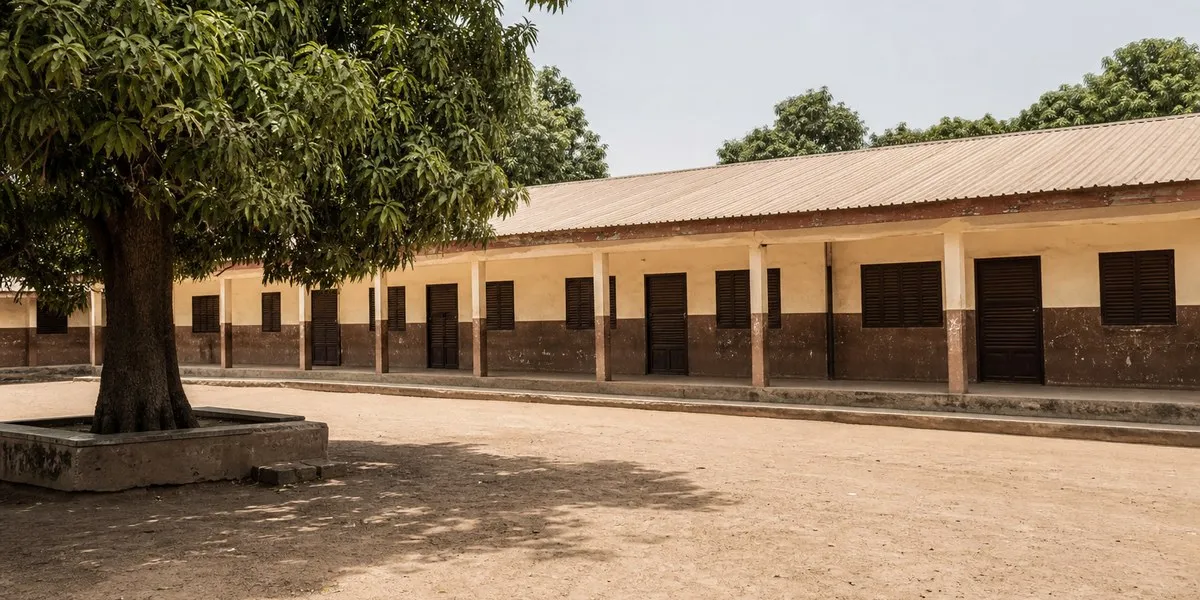
Virtually all schools in villages impacted by violence in Nigeria have been closed since 2025, according to Mukadas Dinday, a zonal official of the education service. Dinday stated, "virtually all schools in villages affected by violence have been closed since 2025." This widespread closure shows the severe educational disruption caused by the ongoing security crisis in border regions. The persistent insecurity has forced authorities to shut down educational institutions, leaving students without access to learning environments.
The human cost of this escalating violence is reflected in a significant increase in fatalities. The number of related deaths has risen by 262%, indicating a sharp deterioration in security conditions. This surge in violence directly impacts communities and contributes to the environment of fear that prevents schools from operating safely. The closures affect numerous children in areas already struggling with limited resources, further compounding the challenges faced by families and educators.
Displaced Students Seek Safety
Benin's education authorities linked the decision to close schools in border communes to the risk of possible terrorist attacks near the country's borders with Burkina Faso and Niger. This measure aims to protect students and staff from potential threats. Students from these affected communities have since been assigned to institutions located in safer areas, according to officials. However, the exact scale of the closures remains unspecified. "Officials did not specify the number of closed schools," Benin's education authorities stated, indicating a lack of public disclosure regarding the total count of educational facilities impacted. This relocation effort is part of broader security measures in the region.
Regional Security Efforts
Despite ongoing insecurity, only schools in the towns of Wawa and New Bussa were scheduled to resume classes on September 14, according to an unnamed representative of the Niger State Ministry of Education. This official stated that "only schools in the towns of Wawa and New Bussa were due to resume classes on September 14." The limited resumption notes the continued challenges faced by educational institutions across the wider region. Further showing the threats to schooling, armed attackers burned down a primary school in Dekari in June, demonstrating the direct targeting of educational infrastructure. These incidents contribute to the broader climate of fear and instability that keeps many other schools closed in border communities.
Authorities' Response and Challenges
The number of violent incidents involving jihadist groups in designated border areas of Benin, Niger, and Nigeria increased by 86% in 2025 compared with 2024, according to data from the Armed Conflict Location & Event Data (ACLED) project. This significant escalation in activity shows the persistent security challenges facing authorities in these regions. The increased frequency of these incidents complicates efforts to restore stability and ensure the safe operation of public services, including schools. The data notes a worsening trend, indicating that security forces are contending with an expanding threat landscape across the tri-border area. Local populations continue to bear the brunt of this insecurity, impacting daily life and access to essential infrastructure.
The ongoing violence has also led to direct attacks on educational personnel. Following the burning down of a primary school in Dekari in June, the school head in Dekari was subsequently abducted and killed. This incident illustrates the direct threats faced by educators and school administrators in conflict-affected zones. Such actions exacerbate the climate of fear and make it increasingly difficult to encourage school staff to return to their posts, even if security conditions were to temporarily improve. The targeting of school personnel further disrupts educational continuity and undermines community trust in the safety of educational institutions.