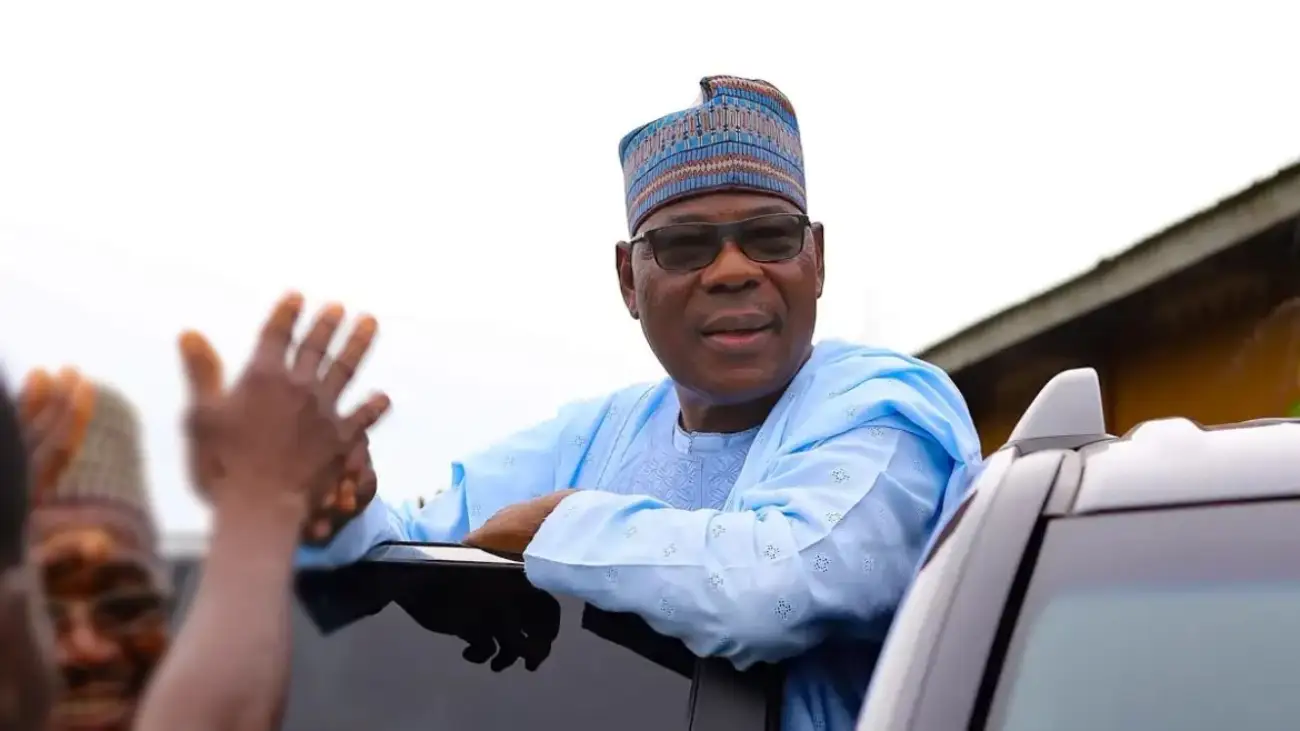
Former Beninese President Boni Yayi has reversed his previous stance, announcing on his Meta page his decision to take up a seat in the Senate. The former head of state, who had previously indicated he would not join the institution, cited new political realities in Benin as the reason for his change of heart.
Boni Yayi stated, "I had publicly made my position known, clearly indicating that I did not intend to sit within this institution." He explained that the country now faces "new institutional realities, notably the establishment of a monochromatic Parliament. Political dialogue frameworks have become virtually non-existent." He elaborated, "After careful consideration, it appears that the Senate could be an internal political dialogue framework aimed at voicing the voices and expectations of the people." Boni Yayi concluded, "Under Article 113-3 of the Constitution, I intend to exercise my right as a senator in order to work for the ideal of our common homeland. I am not asking for it; it is the Constitution."
Reasons for Reconsideration
Former Beninese President Boni Yayi had previously indicated he did not wish to occupy a seat in the Senate when the draft constitutional revision was under consideration. His current decision to join the institution marks a reversal of that earlier position.
Boni Yayi now views the Senate as a potential "framework for political dialogue," according to statements outlining his change of heart. He believes the body can serve as "an internal political dialogue framework aimed at voicing the voices and expectations of the people." This perspective suggests a strategic shift, where the former president sees the legislative upper chamber as a platform for engagement within Benin's political landscape.
Senate's Role and Installation
As a former president, Boni Yayi is a member by right of the new institution, established by the constitutional revision of 2025. This provision grants him an automatic seat in the Senate. Boni Yayi previously stated, "I had publicly made my position known, clearly indicating that I did not intend to sit within this institution." However, he has since reversed this stance, citing evolving political conditions in Benin.
Boni Yayi explained that "Our country is facing new institutional realities, notably the establishment of a monochromatic Parliament. Political dialogue frameworks have become virtually non-existent." He now views the Senate as a potential platform for engagement, stating, "After careful consideration, it appears that the Senate could be an internal political dialogue framework aimed at voicing the voices and expectations of the people." He added, "Under Article 113-3 of the Constitution, I intend to exercise my right as a senator in order to work for the ideal of our common homeland. I am not asking for it; it is the Constitution." The official installation of the Senate is scheduled for July 30, 2026, in Porto-Novo.
Constitutional Standing
Former Beninese President Boni Yayi stated his intention to exercise his right as a senator under Article 113-3 of the Constitution. The provision legally entitles former heads of state to a seat in the newly established Senate. Yayi, who previously expressed disinterest in occupying such a position, cited evolving political circumstances in Benin as the primary driver for his change of heart. He indicated that the country's current "monochromatic Parliament" has diminished avenues for political dialogue, leading him to reassess the Senate's potential role. Yayi views the legislative body as a key platform for engagement, stating it could function as "an internal political dialogue framework aimed at voicing the voices and expectations of the people." His decision to join the Senate, therefore, is presented as an adherence to constitutional provisions rather than a personal request. The institution's official installation is scheduled for July 30, 2026, in Porto-Novo.