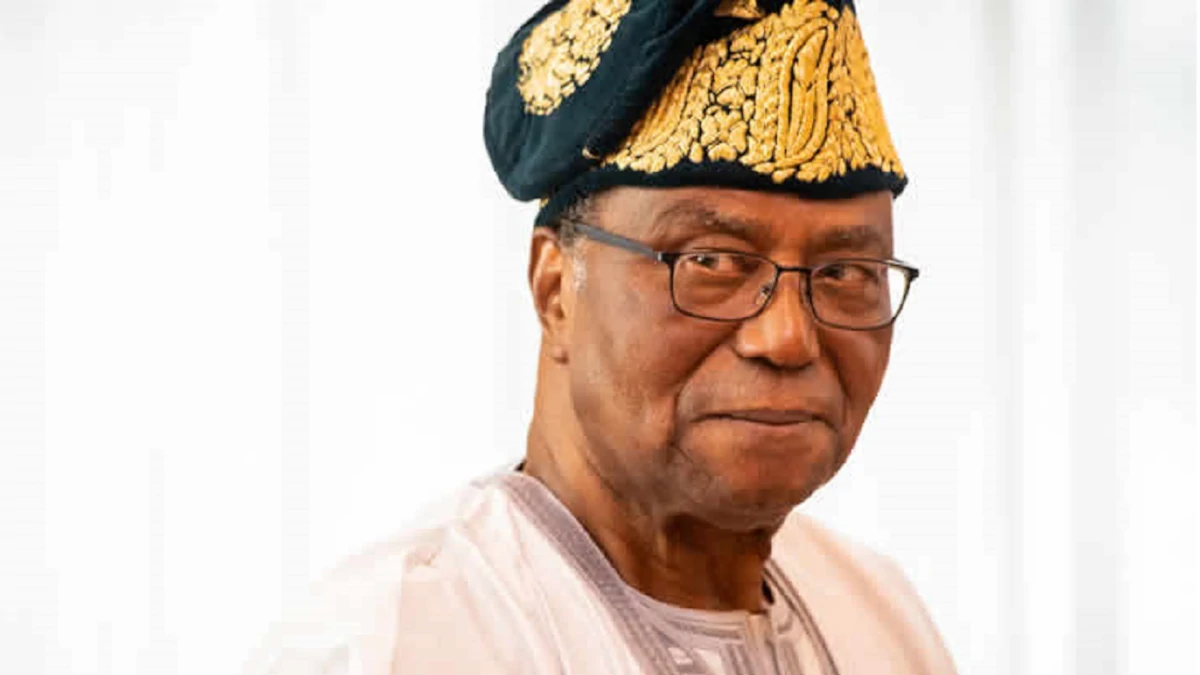
Members of the Conseil économique et social (CES) convened in Cotonou on Wednesday, July 22, 2026, where Abdoulaye Bio Tchané was elected president during the official installation of the new mandate. This significant gathering marked a key moment for the institution, setting its strategic direction for the coming term. The session also saw the election of Conrad Gbaguidi as first vice-president of the CES. Gbaguidi's election to this role automatically leads to his accession to the functions of Mediator of the Republic, as per established protocol. This dual responsibility shows the interconnectedness of key governmental and advisory roles within the nation's governance structure. The proceedings in Cotonou were closely watched, noting the importance of the CES in national policy formulation and oversight.
New Leadership Roles
Pascal Essou was elected second vice-president of the Conseil économique et social (CES) during the recent proceedings. This election occurred as new leadership was established within the institution, following a full selection process. Conrad Gbaguidi was simultaneously designated as the first vice-president of the CES. His assumption of this role is significant, as it automatically confers upon him the responsibilities of Mediator of the Republic, in accordance with the established protocols governing these positions. The Mediator of the Republic plays a key role in resolving disputes and ensuring administrative fairness, adding another layer of responsibility to Gbaguidi’s new position. The appointments reflect a structured transition within the CES, filling key leadership posts following the installation of the new mandate. These selections define the immediate hierarchy of the economic and social body, ensuring continuity and effective governance. The newly elected officials are expected to bring their diverse experiences to bear on the challenges and opportunities facing the nation.
Bio Tchané's Background
Abdoulaye Bio Tchané brings extensive experience from both national and international institutions to his new role as president of the Conseil économique et social (CES). His career trajectory showcases a deep understanding of economic policy, development, and governance. He previously served as the Minister of State for Development and Coordination of Government Action, a position that involved significant oversight of national policy and strategic planning. This ministerial experience provided him with firsthand knowledge of the country's development priorities and challenges. Prior to his cabinet role, Bio Tchané held a prominent leadership position in regional finance. He was the president of the West African Development Bank (BOAD), where he managed financial operations across multiple West African nations, contributing to regional economic integration and growth.
His international career also includes a tenure at the International Monetary Fund (IMF). At the IMF, Bio Tchané was the director of the Africa department, where he played a key role in economic policy and development strategies for the continent, advising various African governments on fiscal and monetary matters. Domestically, Bio Tchané is also active in the political landscape of Bénin, serving as the president of the Republican Bloc, a political party. These past and present roles show his diverse background in economic governance, international finance, and national politics, making him a highly qualified leader for the CES. His multi-faceted experience is anticipated to be invaluable in guiding the council's advisory functions.
Role of the CES
The Conseil économique et social (CES) is mandated to provide counsel and guidance to public authorities concerning a broad spectrum of policy areas. The institution formulates opinions and recommendations directed at public authorities across economic, social, cultural, and environmental policies. This advisory capacity positions the CES as a central body for contributing to the strategic direction of governmental action, ensuring that diverse perspectives are considered in national decision-making. Its functions encompass reviewing proposed legislation and providing expert perspectives on the potential implications of various policy initiatives before they are implemented. Through its structured evaluations, the CES aims to ensure that public decisions are informed by full analyses of their societal and ecological impacts. The body's role is therefore integral to the decision-making processes that shape national development and public welfare, serving as a vital link between civil society and government.