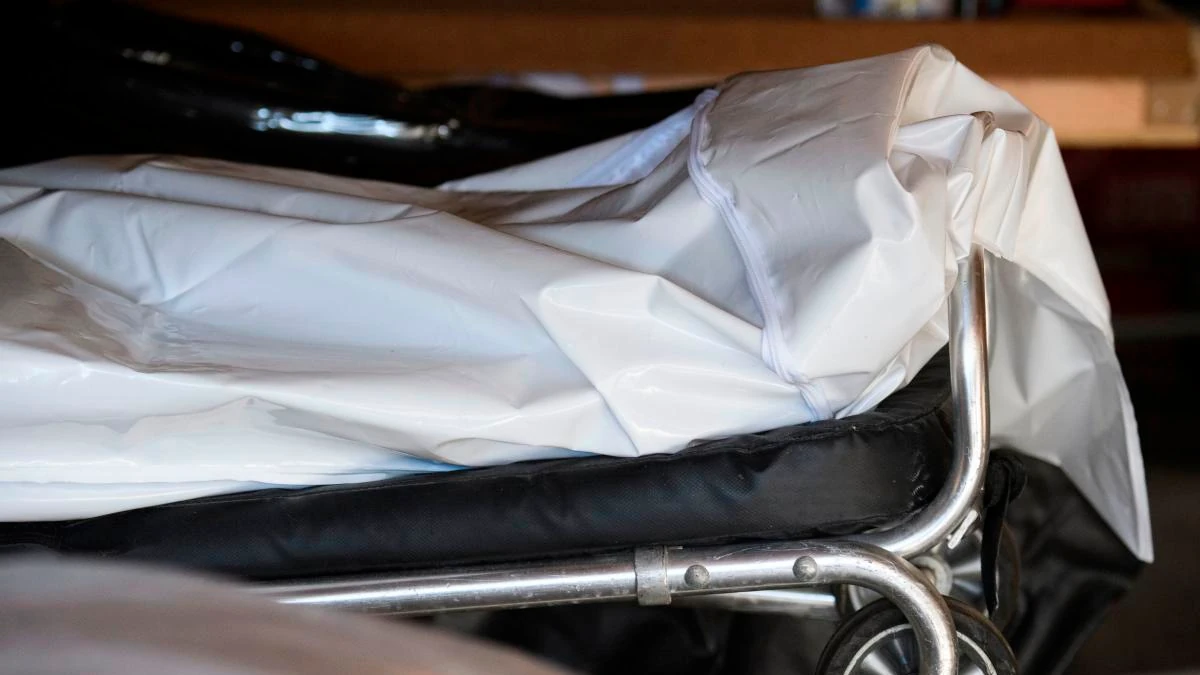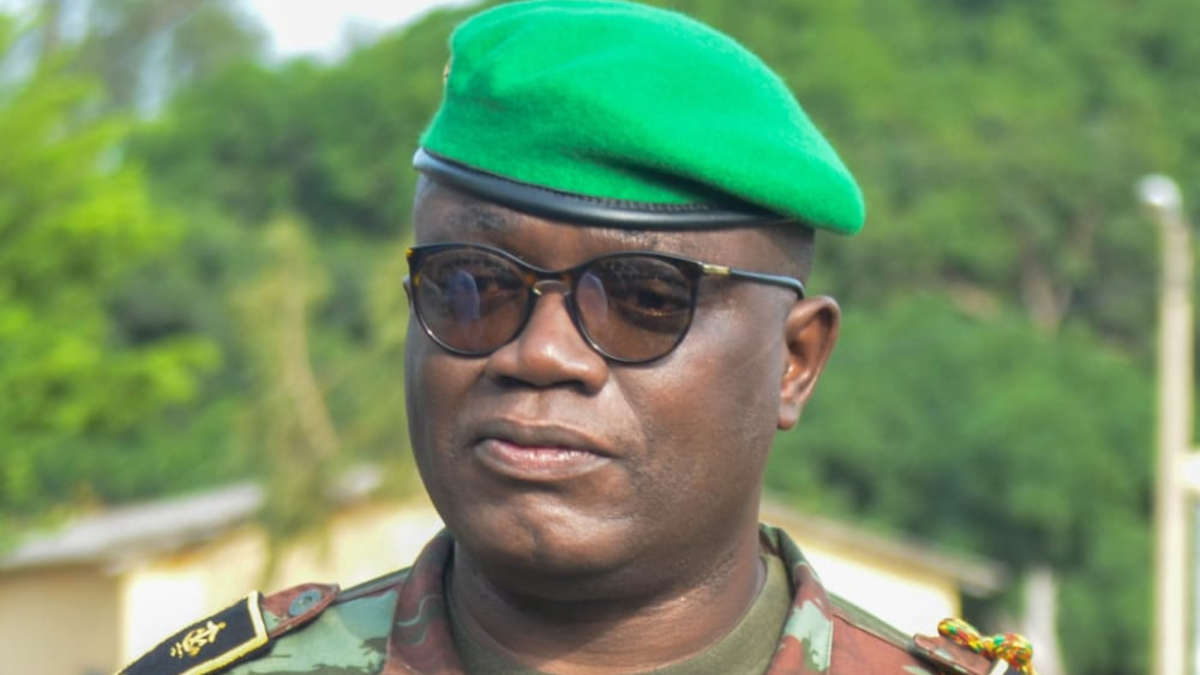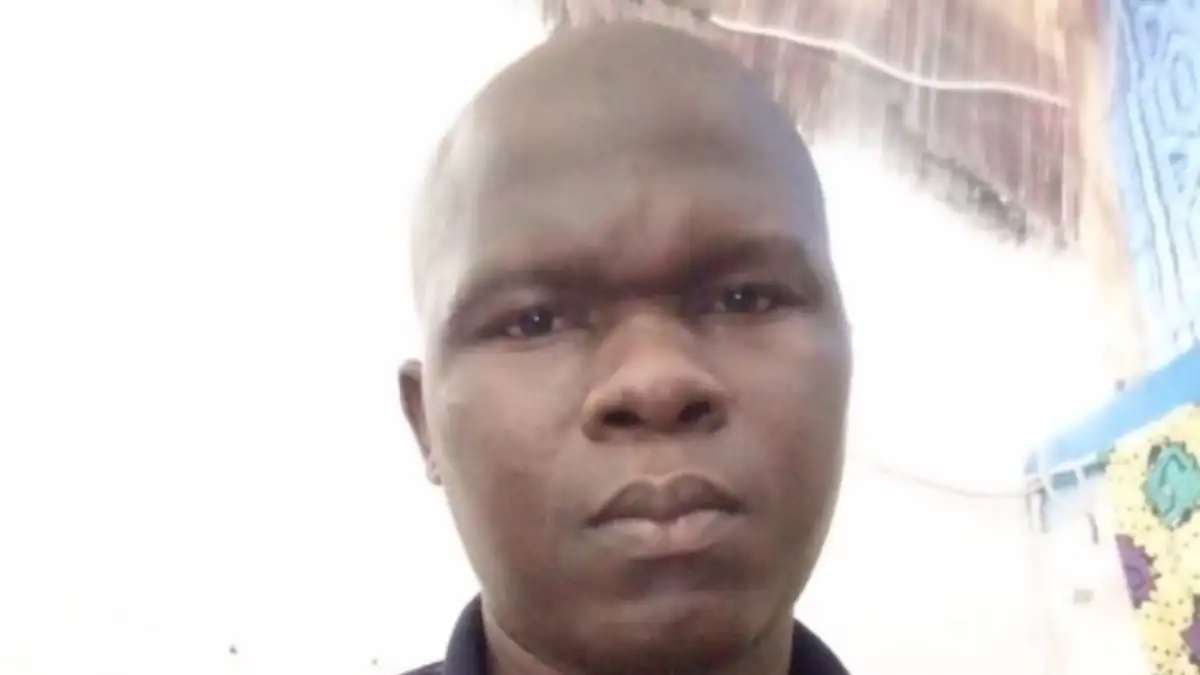
The Tribunal de première instance de Cotonou on Wednesday, July 22, 2026, sentenced Codjo Alofa to 30 years of criminal detention. The court's decision in Cotonou pertains to Alofa's involvement in a 2010 assassination. This ruling concludes a significant trial concerning the long-unresolved case, bringing a verdict after years of legal proceedings. The severity of the sentence reflects the gravity of the crime for which Alofa was convicted.
Trial Proceedings and Verdict
Codjo Alofa was convicted for the assassination of Pierre Urbain Dangnivo. During the proceedings, the court rejected requests from the defense for a graphological expertise, a decision that impacted the presentation of evidence. The defense had sought this expertise to scrutinize certain documents presented as evidence during the trial. The court also declined to accept the public prosecutor's request to reclassify the offenses, maintaining the initial charges throughout the judicial process. This decision meant that the initial classification of the alleged crimes remained unchanged despite the prosecutor's motion.
A significant point of contention arose when the public prosecutor stated it was impossible to produce the requested procès-verbal. This document, specifically procès-verbal n°179 from August 2010, was sought by the defense and deemed key for clarifying certain aspects of the case. The prosecutor's inability to provide the procès-verbal was noted, but the trial proceeded. The court's decisions regarding the graphological expertise and the reclassification of offenses shaped the final legal arguments presented by both sides before the verdict was delivered. Ultimately, the court found Codjo Alofa guilty, leading to his 30-year sentence.
Background of the Case
The case against Codjo Alofa stems from the disappearance of Pierre Urbain Dangnivo, which occurred in August 2010. Dangnivo was identified as an official holding a position at the Beninese Ministry of Finance. His disappearance initiated a criminal investigation that has spanned over a decade and a half. The legal proceedings have unfolded over more than fifteen years, ultimately leading to the recent conviction. The long-running nature of the case has drawn significant attention, given its duration and the public position held by the disappeared individual within the Beninese government. Authorities have pursued various leads and conducted extensive inquiries since 2010 to resolve the circumstances surrounding Dangnivo's fate, culminating in this high-profile trial and verdict. The case has been ongoing for over fifteen years, showing the complexity and persistence required in its resolution.
Defense Lawyers' Stance and Co-Accused's Acquittal
Defense lawyers representing Codjo Alofa withdrew from the courtroom before the verdict was delivered. Their departure followed earlier requests made during the trial for the original copy of procès-verbal n°179 from August 2010. The defense team also sought a graphological expertise to examine evidence, believing it was essential for their client's defense. These requests were not granted by the court in the proceedings leading up to the final judgment, leading to concerns from the defense regarding the fairness of the process. The lawyers' withdrawal showed their dissatisfaction with the court's handling of these critical motions and the evidentiary process.
In a separate outcome, Donatien Amoussou, who had been co-accused in the case, was acquitted. Amoussou's acquittal distinguishes his legal fate from that of Alofa, whose conviction was announced following the defense's withdrawal. The court's decision to acquit Amoussou indicates that the evidence presented against him was not sufficient for a conviction, noting the individual nature of the judicial findings for each defendant. This dual outcome marks the conclusion of the long-standing legal battle surrounding the 2010 disappearance.