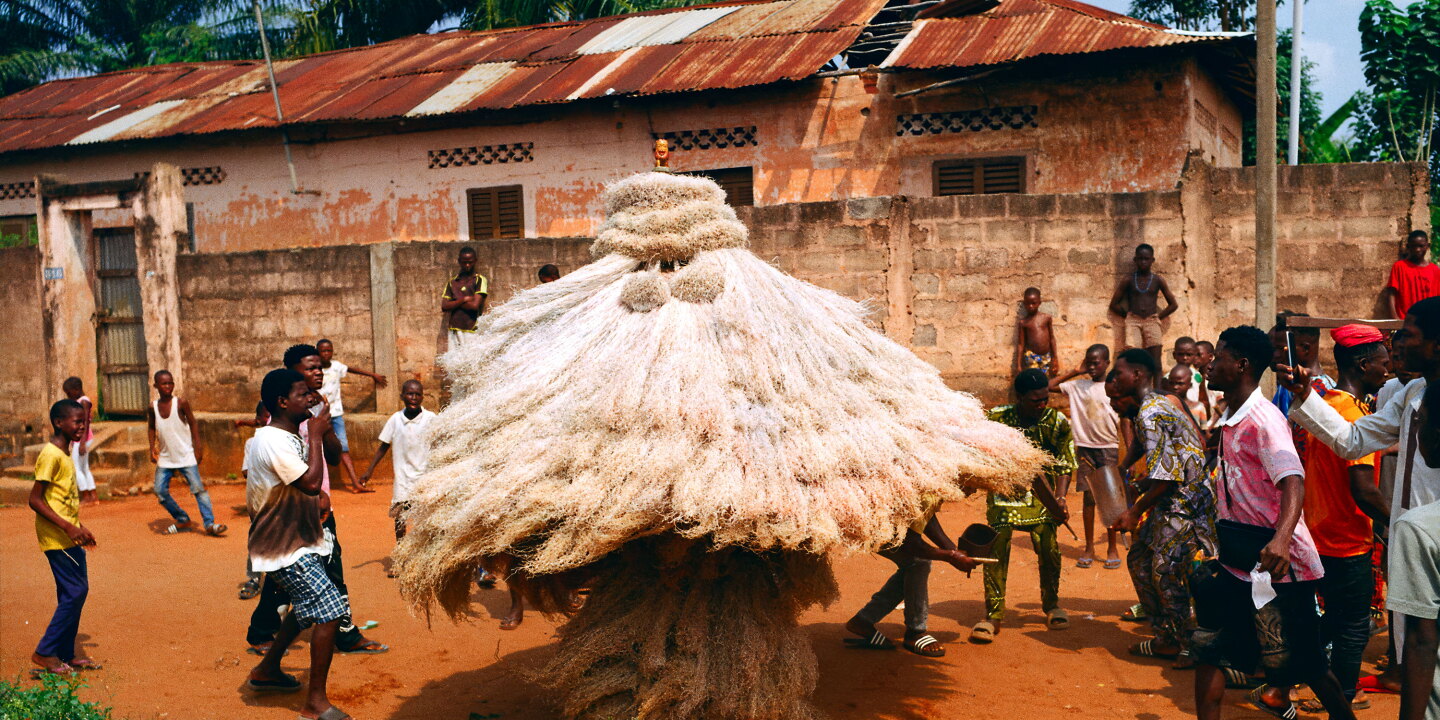
Vodun Days serves as an annual celebration of the ancient religion of Vodun that originated in Benin. Authorities reported that an estimated 741,000 participants attended the event in 2026. This gathering notes the cultural significance of the faith within the nation. The festival brings together attendees to observe traditions associated with the religion, which has roots spanning various regions. Organizers coordinate the activities to reflect the historical and spiritual practices central to the identity of Benin. The high attendance figures indicate the scale of the participation observed during the 2026 iteration of the celebration.
State Recognition and History
The government of Benin officially enshrined Vodun as a state religion in 1996. Authorities subsequently designated the second Friday in January as a national holiday to mark the annual culmination of the Vodun festival. Photographer Brad Ogbonna noted, "I’m Nigerian American and grew up Christian, so I wasn’t exposed to Indigenous religions. I saw a new side of my culture. I wanted to learn more." He added, "I think it’s interesting to see the way religion—the way culture—is practiced and still held on to, and what gets passed down. People from the diaspora who come to the festival want to dig deeper . . . to know their history." Neil Olympio, founder of Wademba Travel, stated, "All of this translates into a richer, deeper, and more meaningful experience for the visitor."
Expanding the Festival Experience
Vodun Days programming will expand to eight days in 2027, running from January 2 to 9. This shift in the festival schedule aims to accommodate the growing interest in the annual celebration of Vodun traditions.
Ouidah remains a central location for visitors seeking to engage with the history of the region. The Slave Route in Ouidah serves as a 2.4-mile commemorative path that incorporates 23 sculptures along its length. These installations mark the historical trajectory of the site, providing a physical connection to the past for those walking the path.
The International Museum of Memory and Slavery is scheduled to open in 2027. Officials plan to house the institution within the Portuguese Fort São João Baptista de Ajudá. The conversion of this site into a museum represents a development for the cultural infrastructure of Ouidah, intended to provide further context for the historical narratives associated with the location.