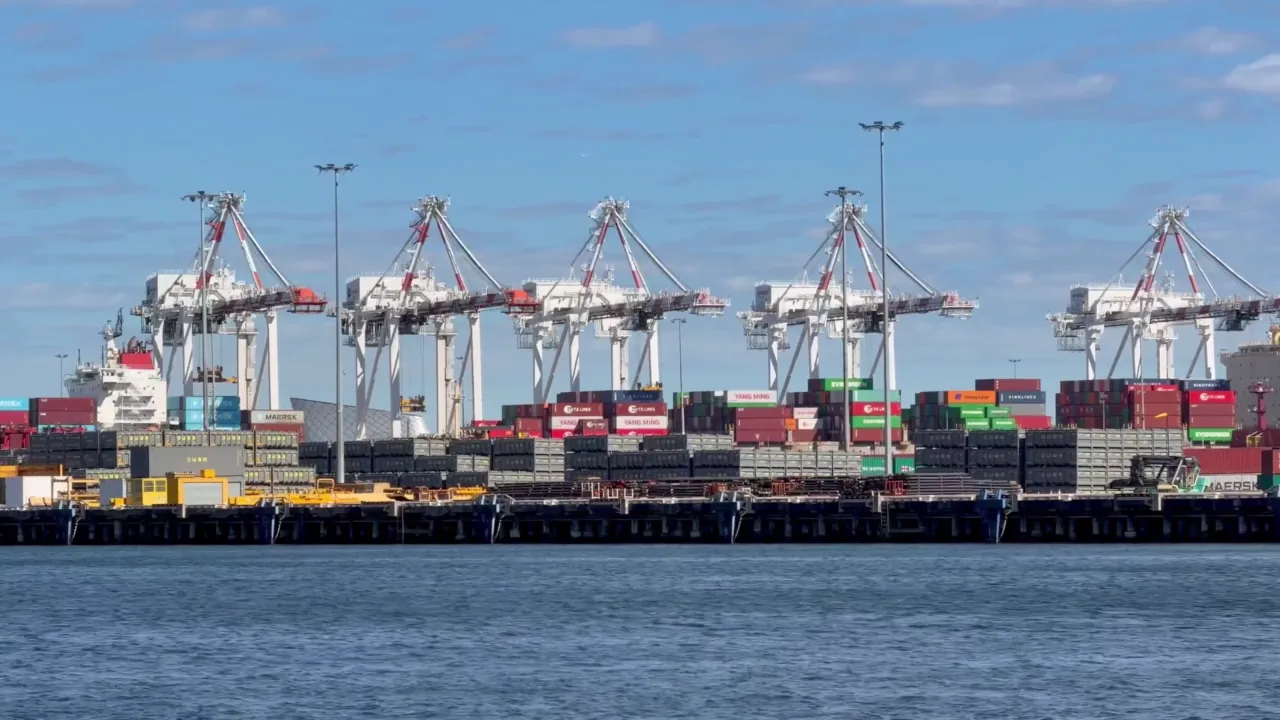
The United Arab Emirates and Benin signed a Full Economic Partnership Agreement (CEPA) to expand bilateral trade and economic cooperation. Projections indicate the UAE-Benin CEPA will increase UAE exports to Benin by more than $1 billion by 2033. The trade agreement is also expected to raise Benin's exports to the UAE by $100 million. This deal establishes a new framework for trade relations between the two nations, aiming to grow commercial exchanges across various sectors. Both countries anticipate that these projected increases in export volumes will strengthen their respective economies over the coming years as the agreement takes effect.
The economic partnership serves as a strategic instrument designed to foster long-term prosperity and deeper integration between the two markets. By formalizing this agreement, both the United Arab Emirates and Benin are positioning themselves to capitalize on emerging opportunities in international commerce. The framework is intended to create a more predictable and stable environment for businesses, allowing for a more efficient allocation of resources and increased competitiveness for firms operating within both territories.
Scope of Trade Agreement
Negotiators structured the trade deal to encompass a significant portion of existing commercial activity between the two nations. UAE Minister of Foreign Trade Dr Thani bin Ahmed Al Zeyoudi stated: "The agreement provides for high levels of trade liberalisation, covering roughly 97% of current trade between the two countries, along with the removal or reduction of a substantial share of customs tariffs." This scope applies to the majority of goods currently exchanged, establishing a framework to streamline customs procedures and lower financial barriers for businesses operating across the two jurisdictions.
By targeting approximately 97% of current bilateral trade, the agreement ensures that the vast majority of goods moving between the United Arab Emirates and Benin will benefit from the new regulatory environment. This full coverage is intended to minimize friction in the supply chain and encourage a higher volume of transactions. The removal or reduction of customs tariffs is expected to lower the cost of imports and exports, thereby providing a direct financial incentive for companies to expand their operations into each other's markets.
Benin enters this partnership following a period of economic expansion. Official records indicate that Benin's economy grew by more than 7.5% last year. Officials from both governments intend to utilize the new trade framework to maintain this growth trajectory by attracting investment and facilitating the movement of capital and goods.
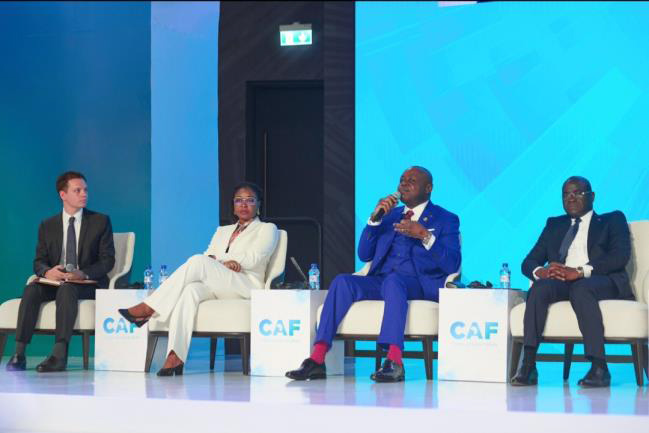
Beyond general trade, the two nations formalised a specific commitment to energy infrastructure. Representatives from the UAE and Benin signed an agreement in the renewable energy sector during a roundtable meeting held to discuss the partnership. This accord targets the development of power projects designed to integrate clean energy sources into the national grid of Benin. Participants at the roundtable discussed the technical requirements for these projects, emphasizing the role of UAE investment in supporting the transition to sustainable energy technologies. These initiatives aim to diversify the energy mix in Benin while aligning with the broader economic objectives outlined in the bilateral partnership. Through these targeted infrastructure investments, the partnership seeks to build a foundation for sustainable industrial development, ensuring that the economic gains from the CEPA are supported by reliable and modern energy systems.