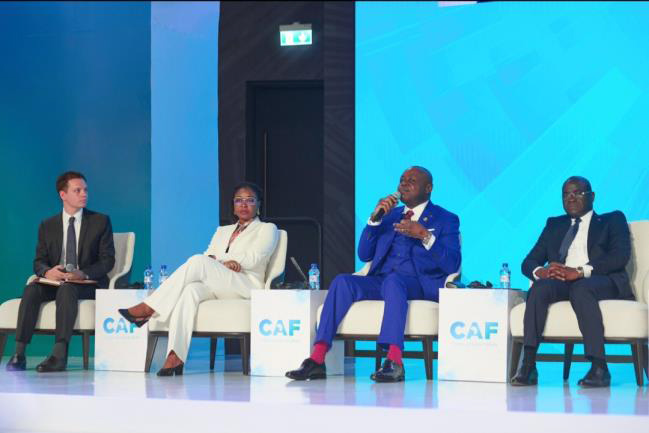
The sixth edition of the Cyber Africa Forum will take place on 16 and 17 November 2026 at the Sofitel Cotonou Marina Hotel & Spa in Cotonou, Benin. Organizers expect the event to host more than 1,500 participants. This significant turnout reflects the growing importance of the forum as a central hub for digital security discourse. The gathering focuses on regional developments in artificial intelligence and security, bringing together stakeholders to address digital challenges across the continent. Attendees include representatives from various sectors interested in the evolving technological climate, ranging from government officials to private industry leaders. The forum serves as a platform for discussion on policy and infrastructure, building on the objectives established by Franck Kié of Kaydan Groupe. International agencies such as INTERPOL have historically engaged with these regional security dialogues, providing essential insights into the shifting landscape of digital threats. Future sessions build upon the progress recorded at previous meetings held in Rwanda, maintaining a consistent focus on continental cooperation.
Rising Threat of Cybercrime
Financial losses attributed to cybercriminality across the African continent reached 484 million dollars in the most recent reporting period, a significant increase from the 192 million dollars recorded the previous year. This substantial rise in financial impact notes the escalating urgency for strong defensive measures. Data released by INTERPOL indicates that artificial intelligence now plays a role in more than 50% of all reported cybercrimes in the region. These figures reflect a shift in the methods utilized by threat actors as digital infrastructure expands, necessitating a more sophisticated response from security professionals.
The reliance on artificial intelligence by malicious actors has fundamentally altered the security landscape, forcing organizations to adapt their defensive strategies. Security professionals and technical experts attending the forum in Cotonou will examine these trends as part of the broader agenda. Discussions will likely center on how to mitigate these risks while fostering innovation in the digital sector. Competition among emerging talent serves as a practical component of the event, with the HackerLab cybersecurity competition scheduled to take place at the Golden Tulip of Cotonou. The contest will feature 80 finalists who are tasked with addressing simulated digital threats, providing a real-world testing ground for their skills. Participants have 48 hours to complete their objectives during the competition, which aims to test technical proficiency in securing networks against modern attack vectors. By pitting these finalists against complex scenarios, the organizers hope to identify and support the next generation of cybersecurity experts who will be responsible for safeguarding the continent’s digital future. The combination of high-level policy discussions and hands-on technical challenges makes this forum a critical event for the regional security community.