Mgr Clet Fèliho, head of the diocese of Kandi, sent a letter to elected officials on Monday, September 7, denouncing the significant financial burden associated with funeral practices in Benin. The letter, signed by Mgr Clet Fèliho, head of the diocese of Kandi, notes the severe impact these customs have on families across the nation. Mgr Fèliho stated that instead of consoling families, these practices overwhelm them, and rather than sharing their grief, they exacerbate their suffering. He added that reforming funerals is not about fighting tradition but about "saving families, preserving youth, and preparing a future where our customs remain sources of life rather than causes of poverty and division." This powerful message shows the bishop's concern for the well-being of the Beninese populace.
Letter Reaches Parliament
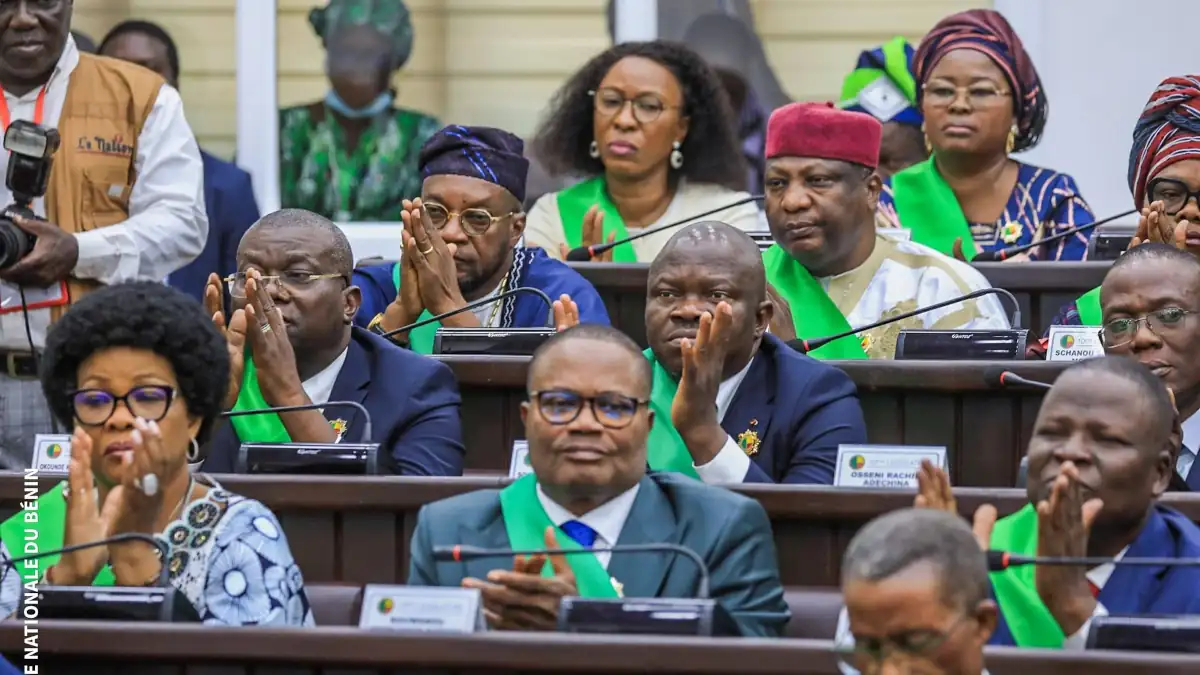
The letter from Mgr Clet Fèliho was brought to the attention of parliamentarians at the National Assembly during the launch of the second extraordinary session of the year 2026. This message, originally written on August 2, was transmitted to the president of the chamber, Joseph Djogbénou, ensuring it reached the highest levels of legislative authority. Representatives of the National Assembly were subsequently informed of the letter's content at the opening of debates, where the bishop's concerns regarding the financial burden of funeral practices in Benin were noted. The formal presentation of the letter during such a significant parliamentary event shows the urgency and importance Mgr Fèliho attributes to this issue, aiming to prompt legislative action and broader societal discussion.
Addressing Financial and Ritual Burdens
According to the letter from Mgr Clet Fèliho, the financial and ritual obligations imposed upon families after a death are crushing. Widows, orphans, and entire families are reportedly subjected to these significant burdens, which often extend beyond their financial means. The bishop's communication outlines how these practices, instead of providing comfort, often lead to overwhelming financial distress and exacerbate the suffering of those grieving. He argues that the focus on elaborate and costly funeral rites places immense pressure on households, contributing to economic hardship among the population. This includes not only direct costs but also the societal expectation to adhere to traditional practices that can drain family resources, sometimes pushing them into debt. The letter details how these obligations can have long-lasting negative effects on the economic stability and social fabric of communities.
Cultural Heritage and Family Preservation
Mgr Clet Fèliho's objective is to establish regulations designed to curb excessive funeral practices and shield households from undue pressure and potential abuse associated with these events. The goal is to establish rules to limit excesses and protect households from pressure and abuse related to funeral events, ensuring that customs serve the community rather than burdening it. The bishop clarified that his approach does not aim to oppose Benin's local cultural heritage. Instead, the initiative seeks to ensure that customs remain a source of strength rather than contributing to financial hardship and division within families. He emphasizes that the proposed reforms are intended to preserve the essence of cultural traditions while adapting them to contemporary economic realities, thereby safeguarding the welfare of Beninese families.
Call for Broad Consultation
Mgr Clet Fèliho has requested a broad national consultation aimed at regulating funeral ceremonies and curbing excessive practices in Benin. The bishop's initiative specifically targets a wide range of stakeholders, including deputies, various public authorities, traditional leaders, and religious figures. Local officials are also among those called upon to participate in the consultation, recognizing their key role in implementing any future regulations at the grassroots level. Mgr Fèliho seeks engagement from anyone concerned with the future of Beninese society, emphasizing the need for collective action to address the financial burdens associated with current funeral customs. This full approach aims to gather diverse perspectives and ensure that any proposed solutions are culturally sensitive, socially acceptable, and effective in alleviating the financial strain on families. The bishop believes that a unified effort is essential to bring about meaningful and sustainable change.