The Edo State Healthcare Regulation and Monitoring Agency (EDOHERMA) has ordered the immediate closure of Jess Royal Hospital in Benin. The decisive action was taken because the facility was operating without proper authorization, a fundamental requirement for all healthcare providers in the state. EDOHERMA initiated the shutdown after discovering the hospital was neither registered with the Edo State Ministry of Health nor currently registered with EDOHERMA, noting a significant lapse in regulatory compliance. This enforcement action shows the agency's commitment to upholding healthcare standards and ensuring public safety across Edo State.
Unregistered Operations and Deficiencies
Jess Royal Hospital had operated for over 10 years without statutory registration, according to officials. This prolonged period of unauthorized operation raised serious concerns about patient welfare and regulatory oversight. The agency’s investigation revealed that the hospital had been providing medical services to the public for more than a decade without obtaining the mandatory legal permits or undergoing the necessary regulatory assessments. This lengthy period of non-compliance meant that the facility had bypassed key checks designed to ensure the quality and safety of patient care.
A subsequent inspection of the facility by EDOHERMA officials revealed several critical deficiencies that posed immediate risks to public health. These included widespread poor infection prevention and control practices, which are vital for preventing the spread of diseases within a healthcare setting. Inspectors also noted the disconcerting presence of cobwebs throughout the premises, indicating a lack of regular cleaning and maintenance. The inspection team observed rusted equipment, which can compromise the effectiveness and safety of medical procedures, and damaged mattresses, raising questions about patient comfort and hygiene. These findings collectively pointed to a significant neglect of basic operational standards. Additionally, the facility was found to lack routine fumigation, an essential measure for pest control and maintaining a sterile environment.
The inspection team also identified that Jess Royal Hospital did not possess a valid fire extinguisher, a critical safety requirement for any public building, especially a healthcare facility where patient mobility might be compromised. The absence of such a fundamental safety device put both patients and staff at severe risk in the event of an emergency. There was also an alarming absence of an emergency preparedness plan, which is essential for handling unforeseen medical situations, natural disasters, or other critical incidents that could affect patient care and safety. This lack of planning indicated a profound unpreparedness for potential crises. Additionally, the hospital operated without an established referral system, a standard practice for ensuring continuity of care for patients who require specialized treatment or transfer to other facilities. The operator of Jess Royal Hospital informed the Edo State Healthcare Regulation and Monitoring Agency (EDOHERMA) that the facility was not registered with the state government, an admission that confirmed the agency's findings. Statutory registration with EDOHERMA is a mandatory requirement for all healthcare facilities operating within Edo State, serving as a foundational step to ensure accountability and quality in healthcare provision.
Agency's Enforcement Actions
The Edo State Healthcare Regulation and Monitoring Agency (EDOHERMA) issued an immediate directive for Jess Royal Hospital to cease all medical operations. This swift enforcement action was taken to protect the public from the substandard and unauthorized services being offered. The agency's order mandated a complete halt to patient care and any other healthcare activities at the facility, ensuring that no further medical services could be provided until compliance was achieved. This immediate cessation of services was deemed necessary given the severity of the identified deficiencies and the long period of unregistered operation.
Following the shutdown order, EDOHERMA granted the hospital a two-week period to initiate the official registration process with the agency. This grace period provides an opportunity for the facility to rectify its regulatory status and begin the journey toward legitimate operation. During this timeframe, Jess Royal Hospital is also required to address and rectify all deficiencies identified during the recent inspection. These deficiencies encompass various operational and safety aspects previously noted by the inspection team, including the critical issues related to infection control, equipment maintenance, and emergency preparedness. The agency emphasized that full rectification of these issues is non-negotiable for any future consideration of reopening.
Jess Royal Hospital will remain closed and will not be permitted to resume any operations until it demonstrates full compliance with all applicable regulatory requirements set forth by EDOHERMA. The agency emphasized that meeting these stringent standards is a prerequisite for reopening and is fundamental to ensuring the safety and quality of care for patients in Edo State. This strict stance is intended to send a clear message to all healthcare providers about the importance of adhering to established regulations.
Patient Safety and Regulatory Mandate
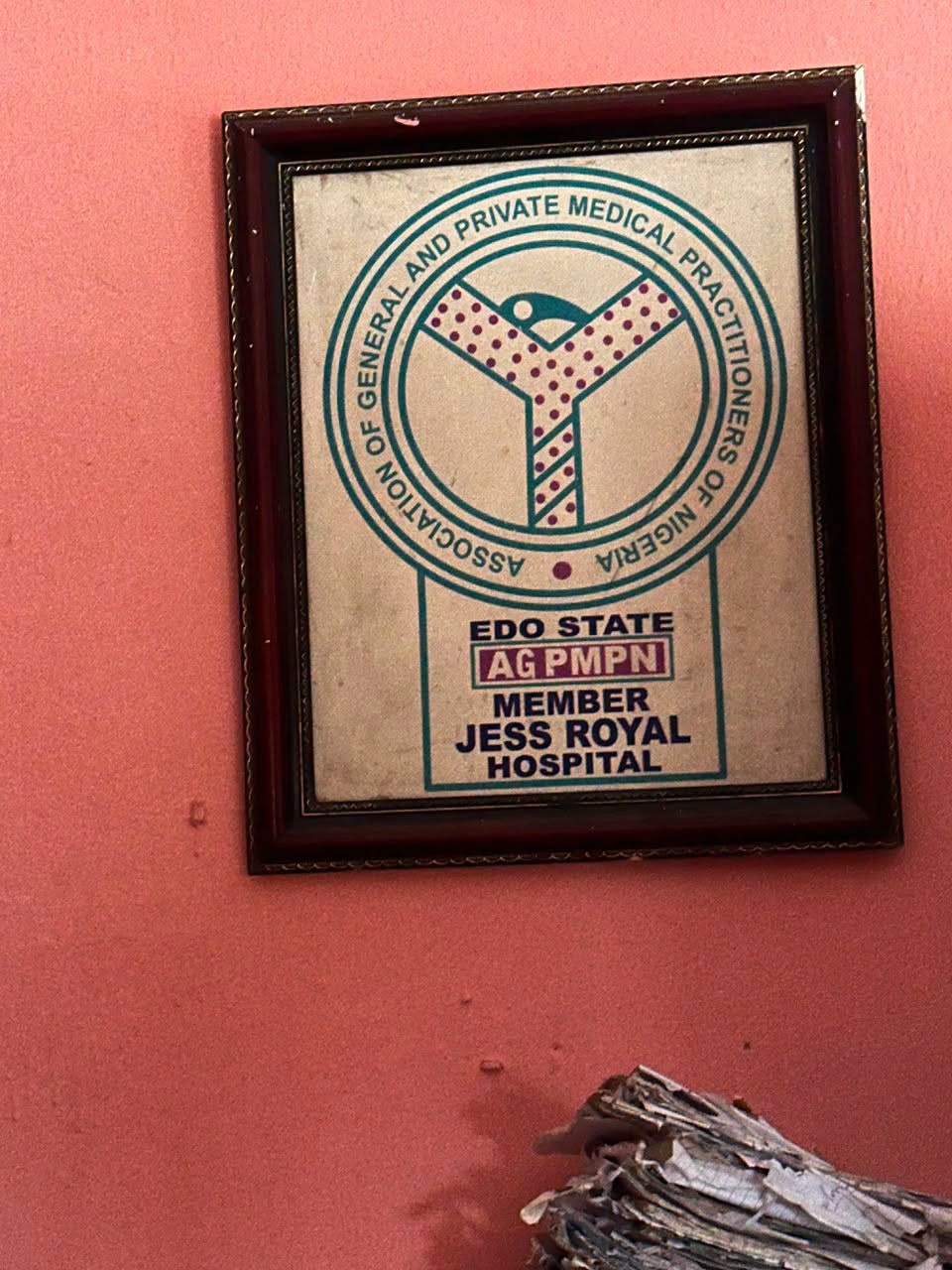
The discovery of the unregistered Jess Royal Hospital occurred during a monitoring exercise at an orphanage sharing the same building. This incidental discovery noted the widespread nature of unregistered facilities and the importance of broad regulatory oversight. The operator of the facility informed officials he was a member of the Association of Nigerian Private Medical Practitioners (ANPMP). However, the Edo State Healthcare Regulation and Monitoring Agency (EDOHERMA) clarified that such membership does not equate to statutory registration or permit the operation of a healthcare facility in the state. This distinction is key, as professional association membership does not confer the legal authority required to operate a medical establishment.
EDOHERMA Chief Executive Officer, Dr. Adesuwa Urhoghide-Edigin, stated unequivocally, "ANPMP membership does not amount to statutory registration and does not authorise anyone to operate a healthcare facility in Edo State." Her statement served as a reminder that while professional associations play a vital role, they do not supersede government regulatory bodies in licensing and oversight. The agency reminded all facility owners that ANPMP membership does not constitute government approval to operate, and that only official registration with EDOHERMA grants the legal right to provide healthcare services. This clear directive aims to prevent any misunderstanding regarding the legal requirements for healthcare provision in Edo State, ensuring that all facilities meet the necessary governmental standards for patient safety and quality of care.