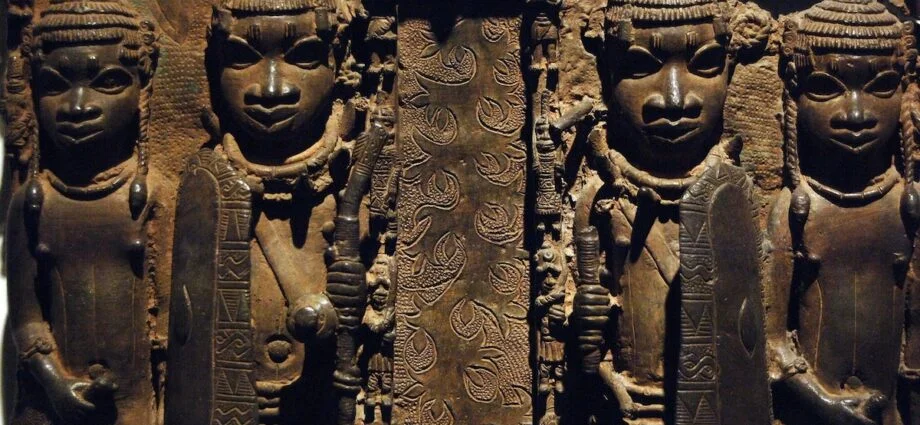
The Museum of West Africa Art (MOWAA) in Benin City has been embroiled in a nearly two-year dispute concerning funding, land ownership, and heritage control. This complex and multifaceted conflict has placed the institution at the very heart of a significant debate over money, land, and the custodianship of invaluable cultural heritage. The core of the disagreement centers on 6.210 hectares of land designated for the MOWAA project, which has become a persistent point of contention between various stakeholders. Previously, the Edo House of Assembly passed a resolution urging the state government to assume full ownership and control of the museum, signaling legislative concern over the project's direction. This legislative action reflects ongoing tensions regarding the future stewardship and operational management of what is intended to be a significant cultural institution. The long-running disagreement notes broader questions about the oversight of Nigeria's repatriated cultural artifacts and the local governance of heritage projects, touching upon issues of traditional authority, state control, and financial transparency.
Roots of Repatriation and Royal Claims
The repatriation of Benin Bronzes and other artifacts to Nigeria has been a multi-year process involving several European nations and institutions, driven by increasing global recognition of colonial injustices. This process has seen a steady return of culturally significant items to their place of origin. In 2022, Germany made a landmark commitment, agreeing to return 1,130 Benin Bronzes, marking a significant step forward in the global movement for restitution. This agreement was hailed as a key moment, setting a precedent for other nations and institutions holding similar collections. The Netherlands followed suit, returning 119 Benin artefacts to Nigeria in 2025, further contributing to the growing collection of items making their way back to their rightful custodians. These returns reflect growing international recognition of the need to address colonial-era looting and the ethical imperative to restore cultural property.
Domestically, the Nigerian government has moved to clarify the ownership and custodianship of these returned items, a key step in ensuring their proper management and display. In 2023, former President Muhammadu Buhari issued a directive recognizing the Oba of Benin as the owner and custodian of all repatriated Benin Bronzes. This presidential pronouncement aimed to centralize control of the artifacts under the traditional authority of the Benin Kingdom, acknowledging the historical and spiritual significance of these items to the Benin people and their monarch. This directive was a clear statement on the federal government's position regarding the ultimate authority over these invaluable cultural assets.
Further international restitution efforts continued with academic institutions also participating in the return process. The University of Cambridge transferred legal ownership of 116 objects to Nigeria in 2026, contributing to the growing collection of returned heritage. This move by an academic institution showed the evolving understanding of cultural property rights within the academic and museum sectors. Switzerland also participated in these efforts, returning 18 Benin artefacts in June 2026, adding to the volume of cultural property making its way back to its place of origin. These transfers show the complex international negotiations involved in the restitution of cultural heritage, involving not just national governments but also a diverse range of institutions. The ongoing returns signify a global shift in perspective regarding the provenance and future of colonial-era artifacts, placing increased emphasis on ethical stewardship and cultural self-determination.
The Museum Project and Its Discontents
The financial aspects of the MOWAA project have been a significant source of controversy. Approximately N3.8 billion has been reportedly committed by the Edo Government to the MOWAA project, according to a report by the Oshiomhole committee. This substantial sum of public funds has drawn scrutiny and calls for greater transparency. The committee further stated that the Edo Government released about N3.8 billion to the project between 2022 and 2024, detailing the financial outlay over a two-year period. The museum stands on 6.210 hectares of land associated with the former Central Hospital in Benin. This land, central to the project, was valued by Tony Ikpasaja, then Managing Director of Edo State Geographic Information Service, at approximately N33 million, who also stated it was acquired at no cost. The acquisition of this land and its subsequent use have been key points of contention in the broader dispute.
The decision to establish the museum on this particular site involved significant urban redevelopment. The Obaseki administration demolished Central Hospital to make way for the museum project, a move that generated considerable debate and public discussion. Former Governor Oshiomhole commented critically on the project, stating, "The Obaseki administration demolished Central Hospital and changed the original name of the museum to Edo Museum of West Africa Art, EMOWA." This renaming and the demolition of a public health facility for a cultural project have been central to the criticisms leveled against the previous administration's handling of the MOWAA initiative. Oshiomhole also argued forcefully that the museum should ultimately be managed by the Oba of Benin, emphasizing the traditional authority's historical connection to the artifacts. "The museum should be returned to the Oba of Benin to manage henceforth, as the government comes and goes but the Benin Monarch remains," Oshiomhole asserted, showing his belief in the enduring role of the monarchy in preserving Benin's heritage. The Edo House of Assembly, in its own assessment, put the expenditure on the MOWAA Institute Pavilion alone at N3.850 billion, noting a specific area of significant financial investment within the broader project.
Political Maneuvers and Committee Findings
The MOWAA project has been further complicated by claims of substantial external funding and questions regarding its transparency. Claims of more than $18 million in external funding for the Museum of West Africa Art (MOWAA) have been made amidst the ongoing dispute, raising expectations for international contributions to the ambitious project. However, these claims have been met with skepticism and official denials. The Edo Accountant-General, Julius Anelu, stated that the state Treasury had no record of receiving $18 million from international donors, directly contradicting the assertions of external financial support. This discrepancy has fueled concerns about financial accountability and the true sources of funding for the museum. A special committee, chaired by Adams Oshiomhole, was established to investigate these and other issues surrounding the project. On August 20, this committee submitted its report to Governor Monday Okpebholo, detailing its findings on the museum project and providing an independent assessment of the various allegations and financial transactions involved.
The leadership and associations within MOWAA have also come under scrutiny. Philip George, identified as a director at MOWAA, was also identified as a long-time business associate of former Governor Obaseki and a co-founder of AfriInvest West Africa Ltd. And AfriInvest Capital Ltd. This connection has raised questions about potential conflicts of interest and the influence of private business interests in a public cultural project. Separately, the National Commission for Museums and Monuments (NCMM) stated in 2025 that it would oversee the retrieval, conservation, and display of artifacts with the assent of the Oba, emphasizing the federal body's role in heritage management in collaboration with traditional authorities.
The legislative body of Edo State has consistently expressed its concerns regarding the MOWAA project. On December 22, 2025, lawmakers adopted a resolution urging the state government to take over full ownership and control of MOWAA, reiterating their earlier call for direct state intervention in the museum's management. Former Governor Obaseki, whose administration initiated the project, declined to appear before the Assembly regarding the matter, citing it as sub judice, indicating that legal proceedings were underway or anticipated. Former Governor Oshiomhole continued to be a vocal critic of the project's trajectory, stating, "The Obaseki administration demolished Central Hospital and changed the original name of the museum to Edo Museum of West Africa Art, EMOWA." Oshiomhole further asserted his view on the museum's management, saying, "The museum should be returned to the Oba of Benin to manage henceforth, as the government comes and goes but the Benin Monarch remains," reinforcing his call for the traditional ruler to assume control.
Broader Meaning of Custodianship
The current dispute over MOWAA is inextricably linked to the historical context of the looting of Benin objects. Thousands of Benin objects were looted during the British invasion of Benin in 1897, an event that stripped the kingdom of much of its cultural patrimony. A 2026 legal analysis indicated that the British Museum alone holds more than 900 of these artifacts, noting the vast scale of the historical plunder and the ongoing challenge of restitution. Amidst ongoing efforts to reclaim this heritage, the Oshiomhole committee recommended renaming MOWAA the Benin Royal Museum of African Art and returning its management to the Oba of Benin, Oba Ewuare II. This recommendation shows the committee's belief that the museum should be firmly rooted in the traditional authority of the Benin Kingdom and reflect its royal heritage.
Former Governor Oshiomhole reiterated his stance on the project's origins and its ideal future, stating, "The Obaseki administration demolished Central Hospital and changed the original name of the museum to Edo Museum of West Africa Art, EMOWA," adding that "The museum should be returned to the Oba of Benin to manage henceforth, as the government comes and goes but the Benin Monarch remains." This sentiment reflects a deep-seated conviction that the cultural legacy of Benin is intrinsically tied to the monarchy, transcending political administrations. The Edo House of Assembly, in its oversight role, placed the expenditure on the MOWAA Institute Pavilion at N3.850 billion, indicating a significant financial investment that has come under legislative scrutiny. Prince Aghatise Erediauwa, speaking on behalf of the Royal Family, alleged that the original royal museum project had been 'hijacked', further articulating the royal family's perspective that the project had deviated from its intended purpose and traditional custodianship. This allegation notes the profound sense of disenfranchisement felt by the traditional custodians of Benin's heritage regarding the current state and management of the MOWAA project. The ongoing debate thus encapsulates not just administrative and financial concerns, but also fundamental questions about cultural ownership, historical justice, and the role of traditional institutions in contemporary heritage management.