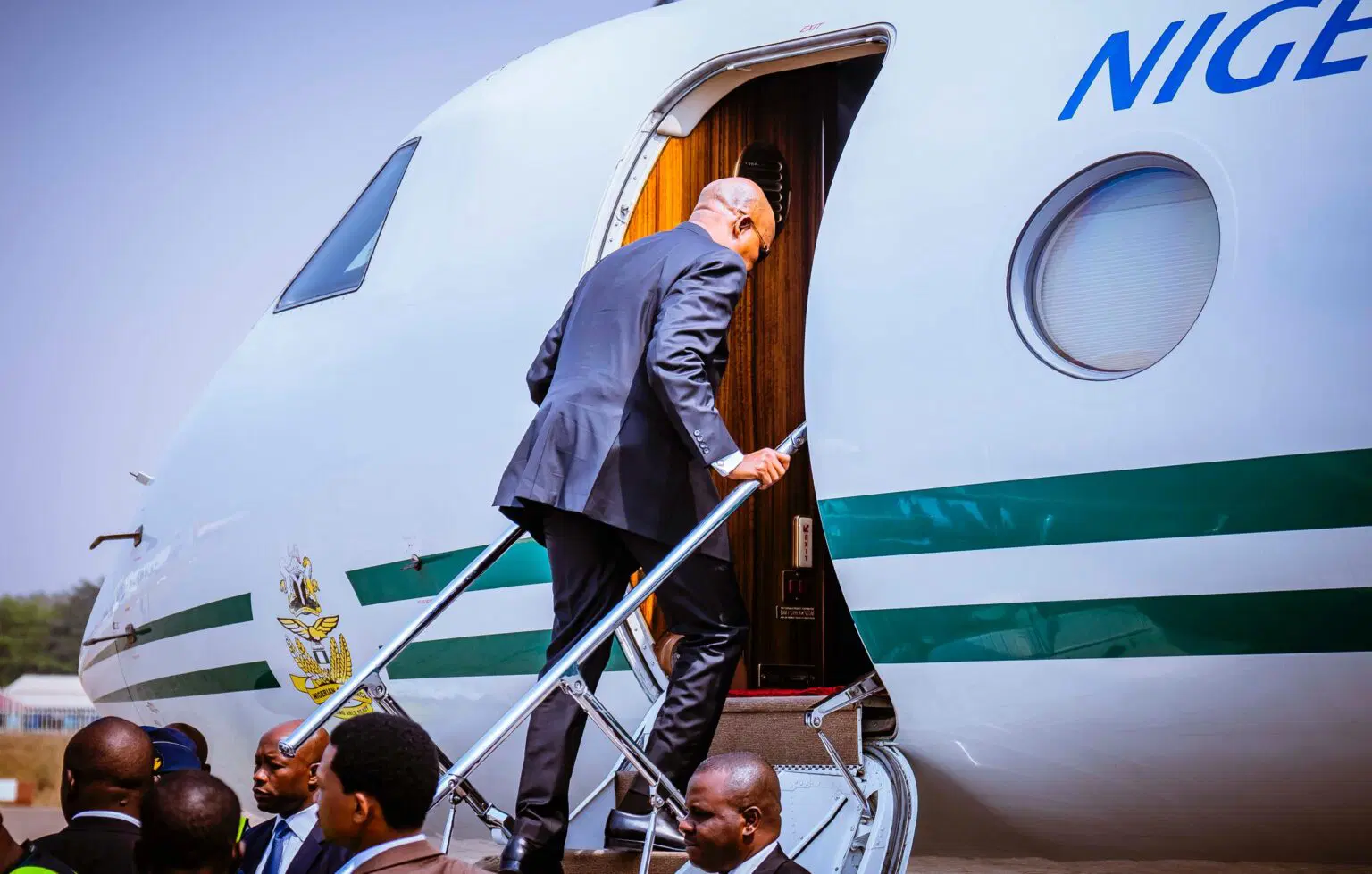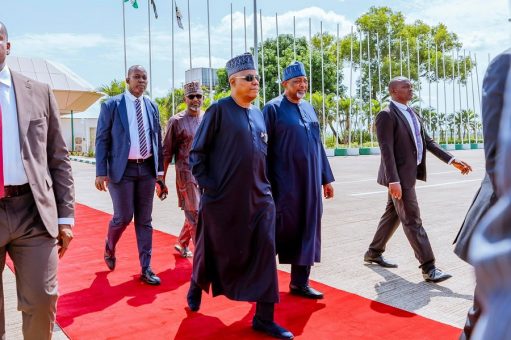
Vice President Kashim Shettima departed Abuja on Saturday to represent President Bola Ahmed Tinubu at a significant regional event. The Vice President traveled to the Republic of Benin for the country's presidential inauguration ceremony. His journey took him specifically to Cotonou, the economic capital of the Republic of Benin, where a significant portion of the inauguration events are scheduled to unfold. He is expected to join other dignitaries at the event, which is scheduled to take place on Sunday. His presence shows Nigeria's diplomatic engagement within the West African sub-region and its commitment to fostering strong bilateral relations with neighboring countries. The ceremony in Benin Republic marks a key moment in the nation's political calendar, drawing high-level representation from across the continent, signifying regional solidarity and support for democratic transitions.
Inauguration Details and Protocol
The inauguration events are scheduled to take place at the Presidential Palace in Cotonou and other designated venues within Porto-Novo. Porto-Novo serves as the country's capital, hosting a portion of the official proceedings and symbolizing the administrative heart of the nation. Romuald Wadagni is expected to take the oath of office in Porto-Novo, formalizing his assumption of the presidency. This oath-taking ceremony is a critical constitutional step, officially marking the commencement of his tenure. Alongside him, Mariam Chabi Talata will also be sworn in as Vice President, completing the new executive leadership. The dual locations for the ceremonies highlight the administrative and ceremonial significance of both Cotonou, the bustling economic center, and Porto-Novo, the official capital, in the Republic of Benin. Dignitaries, including Vice President Kashim Shettima representing Nigeria, will attend these events to witness the peaceful transition of power. The protocol for the inauguration ensures that all constitutional requirements are met as the new administration officially commences its term, adhering to the established legal framework for leadership succession. Mr. Wadagni will formally assume office as President of Benin Republic, embarking on a new chapter for the nation. The President of Benin Republic serves a seven-year constitutional term, a duration that provides ample opportunity for the implementation of long-term development strategies and policies. This significant term length shows the stability and continuity sought in the nation's governance.
Nigeria-Benin Relations and Regional Diplomacy
Nigeria and Benin Republic maintain longstanding historical, cultural, and economic relations, foundational to their shared regional identity. These ties encompass a broad spectrum of interactions that have shaped the socio-economic landscape of the West African sub-region, contributing to a rich tapestry of shared heritage and mutual understanding. The deep-rooted connections between the two nations often manifest in cross-border trade and cultural exchanges that have persisted for generations, fostering a sense of community and interdependence. These interactions are not merely transactional but are deeply embedded in the social fabric of both countries, facilitating a continuous flow of goods, ideas, and people.
Both countries share common interests in trade, border security, and energy cooperation. Bilateral efforts frequently focus on enhancing economic partnerships, addressing security challenges along their shared borders, and exploring collaborative opportunities in the energy sector. These common interests serve as key drivers for diplomatic engagements and policy coordination between Abuja and Cotonou, leading to joint initiatives and agreements aimed at mutual benefit. The cooperation extends to various sectors, including infrastructural development and regional market integration, which are vital for the economic prosperity of both nations.
The administration of President Bola Ahmed Tinubu has remained committed to promoting peace, stability, and deeper regional integration within ECOWAS. This commitment aligns with Nigeria's broader foreign policy objectives to foster a secure and prosperous West Africa. Nigeria's active participation in regional initiatives shows its role in advocating for collective security and economic development across member states. This proactive stance is a testament to Nigeria's belief in the power of collaboration to overcome shared challenges and build a more resilient region. The presence of Vice President Shettima at such a key regional event further exemplifies this commitment, signaling Nigeria's dedication to supporting democratic processes and good governance among its neighbors.
Regional stability and cooperation are critical priorities in Nigeria’s foreign policy engagement with neighbouring countries. The nation views collaborative efforts with its neighbors as essential for addressing transnational challenges such as insecurity, economic development, and environmental concerns. This strategic focus ensures that Nigeria's diplomatic interactions consistently emphasize mutual benefit and collective progress throughout the West African sub-region. By actively participating in regional forums and bilateral engagements, Nigeria aims to strengthen its ties and contribute significantly to the collective well-being and security of the entire region.
Delegation and Departure
Vice President Kashim Shettima traveled to the Republic of Benin accompanied by senior aides and top government officials. The delegation’s presence at the presidential inauguration ceremony shows Nigeria’s commitment to regional diplomacy and the importance it places on fostering strong relationships with its neighbors. This high-level representation ensures that Nigeria's interests and support are clearly communicated and demonstrated. Following the engagement in the Republic of Benin, Vice President Shettima is expected to return to Nigeria, concluding his official duties in Cotonou. His travel and participation in the event were confirmed by Stanley Nkwocha, the Senior Special Assistant to the President on Media and Communications, Office of the Vice President. Mr. Nkwocha's confirmation provides official insight into the Vice President's schedule and the purpose of his visit. The Vice President's attendance symbolizes the ongoing diplomatic ties and good neighborly relations between the two West African nations, reinforcing the bonds of friendship and cooperation that have long existed.
Significance of the Transition
Vice President Kashim Shettima traveled to Cotonou, Republic of Benin, for the inauguration of President-elect Romuald Wadagni. Mr. Wadagni will formally assume office as President of Benin Republic, marking a significant political transition in the nation. The President of Benin Republic serves a seven-year constitutional term, a period designed to allow for full policy implementation and national development. Nigeria's presence at the ceremony emphasizes its support for democratic processes and stability within the West African sub-region, affirming its commitment to the principles of good governance and constitutional rule. The event shows the diplomatic ties between the two neighboring countries and their commitment to regional cooperation, noting the mutual respect and shared vision for a prosperous and stable West Africa. The peaceful transfer of power in Benin Republic is a positive indicator for regional democracy, and Nigeria's participation serves to bolster this democratic progress.