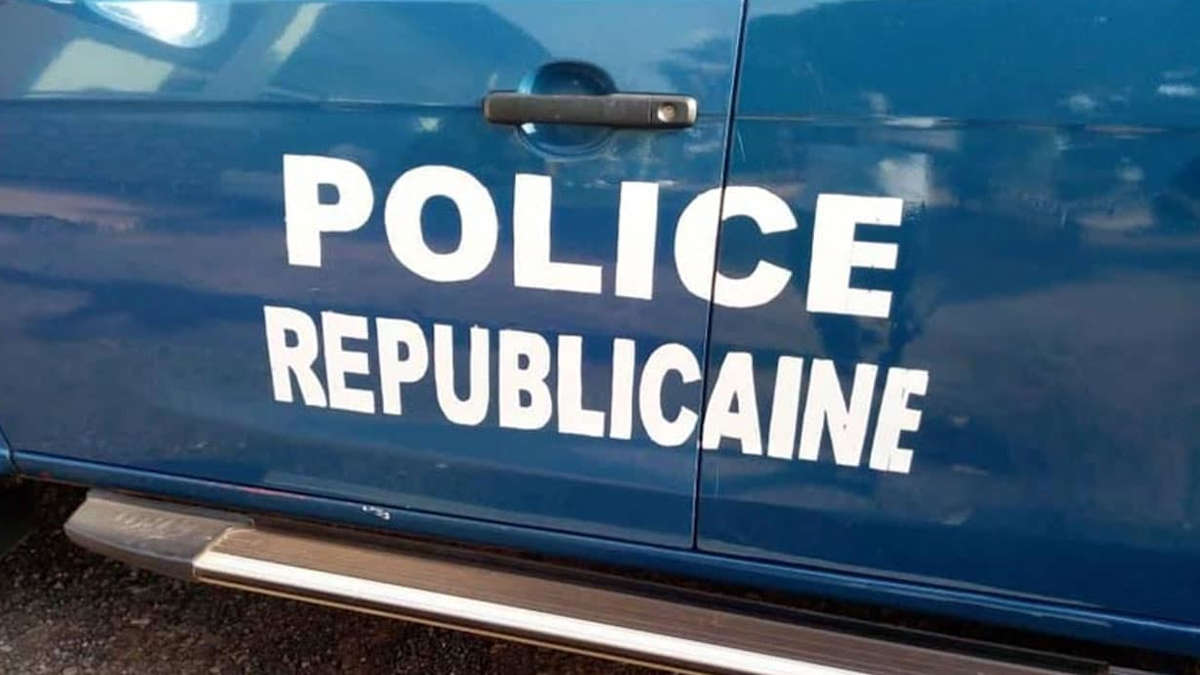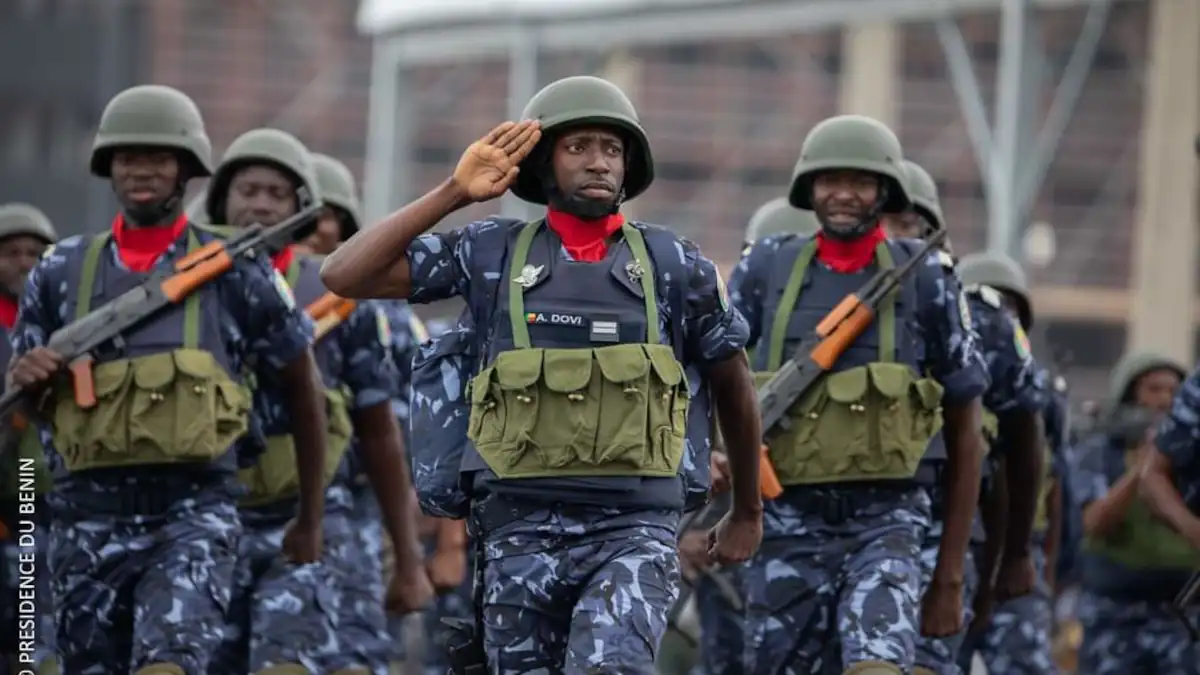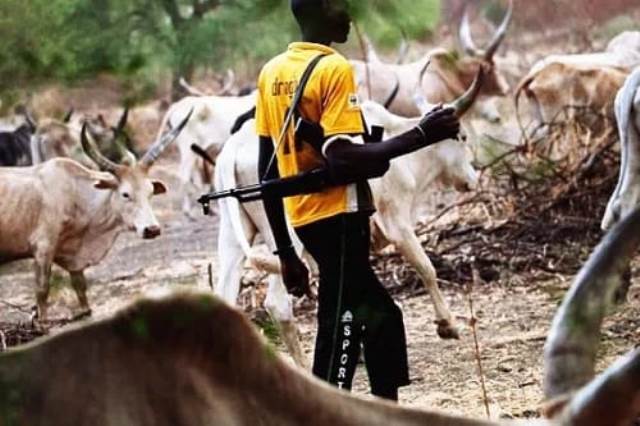
A state-backed Nigerian militia, operating alongside the military, killed scores of ethnic Fulani herders in a raid near the Nigeria-Benin border. The incident involved combined forces from Nigeria and Benin. The attacks occurred recently, with sources providing differing casualty figures. Initial reports indicated a significant loss of life among the Fulani community. A humanitarian source, who provides aid to communities displaced by violence in the area, put the toll slightly lower, at 38, blaming "vigilantes from Nigeria and Benin." This source emphasized the severe impact on the local population. The violence specifically targeted Fulani herders residing in the volatile border region, contributing to an atmosphere of fear and instability.
Details of the Raid
The violent operation saw herders killed in a coordinated effort that included vigilantes from Benin, just across the border from Niger state. These cross-border elements joined forces with local Nigerian groups. Nigerian vigilantes from the Bussa district conducted raids on Fulani settlements around Kabe, located in the neighboring Borgu region. These raids were described as systematic, targeting specific communities. The involvement of both Nigerian and Beninese vigilantes notes the complex nature of security challenges in this frontier area, where local groups often operate with varying degrees of state backing or acquiescence. The scale of the operation suggests a deliberate and organized effort to confront the herder communities.
Accusations and Retaliation
The herders killed in these operations were accused of acting as informants for the jihadist group Ansaru, according to various security sources. This accusation served as the primary justification for the deadly raids. Following these killings, Ansaru launched a swift and brutal reprisal, attacking and burning down the settlement of Sabalunna. This action was described by the group as a direct response to the deaths of two individuals whom Ansaru accused of being informants for opposing forces. Ansaru explicitly stated that "they would never condone the killing of their people," signaling their intent to retaliate against any perceived aggression or collaboration with their adversaries. This statement showed the group's determination to protect its alleged members and sympathizers, further escalating the cycle of violence in the region.
Context and Reactions
On Thursday, security personnel conducted extensive door-to-door searches in Fulani herding settlements. During these operations, young men suspected of being informants for the al-Qaeda-linked Ansaru group were arrested. The security forces encountered resistance in some instances, leading to suspects being shot during these confrontations. This aggressive approach by security personnel has intensified tensions within the communities. Following these events, the herding settlements have been largely deserted, as the Fulani herders, fearing further violence and persecution, fled the area with their cattle. This mass displacement has left many communities vacant and disrupted traditional livelihoods. The Ansaru group, reflecting its consistent stance on such incidents, had previously stated that "they would never condone the killing of their people" in response to similar violence against those they consider their own. This series of actions, including the initial raids, the subsequent arrests, and Ansaru's retaliatory attacks, has led to significant displacement, with residents abandoning their homes and livelihoods across the affected border regions, creating a humanitarian crisis and exacerbating instability.