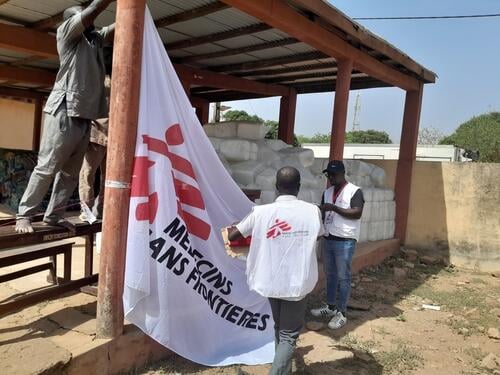
Médecins Sans Frontières (MSF) is providing assistance in Benin as thousands of Nigerian refugees flee deteriorating security conditions in border areas between northern Benin and Nigeria. The influx of people seeking protection has primarily occurred in the border region of Ségbana, Benin. For several months, the security situation in the border areas between northern Benin and Nigeria has experienced a marked deterioration, leading to this significant displacement. This escalating crisis has seen a marked deterioration over several months leading up to March 2026, prompting urgent humanitarian intervention.
Refugee Crisis and Conditions
People who have fled the border region have reported extreme violence, including killings, the burning of homes, lootings, and kidnappings. These accounts paint a grim picture of the conditions that forced them to abandon their homes and livelihoods. The majority of these refugees arrived in Benin without resources, depending largely on the support of the local community for their immediate needs. This reliance shows the profound vulnerability of the displaced population, who often arrive with little more than the clothes on their backs. Accommodations in the areas receiving refugees are significantly overcrowded, exacerbating the challenges faced by both the displaced populations and their hosts. The influx has strained existing infrastructure and resources in the host communities, which were already limited. The sudden arrival of thousands of people has placed immense pressure on essential services such as water, sanitation, and healthcare, creating a challenging environment for both the new arrivals and the residents of Ségbana.
The situation demands a full and sustained response to address the immediate humanitarian needs and to support the host communities bearing the brunt of the crisis. Without adequate external support, the capacity of local communities to provide assistance will be severely stretched, potentially leading to further hardship for all involved. The lack of resources among the refugees means that basic necessities, from food and shelter to medical care and psychological support, are urgently required.
MSF's Humanitarian Response
Médecins Sans Frontières is calling for a strengthened humanitarian response to address the fundamental needs of these refugees. The organization has initiated operations to provide assistance in the affected areas. As part of these efforts, Valentin, an MSF logistics supervisor, and Abdel, an MSF driver, were observed raising an MSF flag at an aid distribution site located within the Ségbana health centre. This action signifies the establishment of their presence and the commencement of aid delivery in the region. MSF's immediate priorities include providing essential medical care, distributing vital relief items, and ensuring access to clean water and sanitation facilities. The call for an increased humanitarian response comes as the number of displaced individuals continues to strain local resources and infrastructure in Benin, particularly in border communities like Ségbana. The organization emphasizes the urgency of collective action to ensure essential services reach those who have fled violence in Nigeria, noting the need for international support to complement local efforts. MSF is committed to expanding its activities to meet the growing needs of the refugee population and to work alongside local authorities and other humanitarian actors to provide a coordinated response.
Voices from the Border
Violent attacks by armed individuals occurred in early February in several villages on the Nigerian side of the border. These villages included Konkosso, Kokani, Zatinna, Kigbèra, and Mazé. These attacks prompted a mass exodus, with residents seeking safety across the border in Benin. The commune of Ségbana, located in Benin, is currently hosting more than 3,000 refugees who have fled the ongoing insecurity. The narratives from these individuals consistently describe a pattern of extreme violence, including targeted killings, the deliberate burning of homes, widespread looting of property, and the abduction of residents. These harrowing accounts show the severity of the threats faced by communities in the border areas of Nigeria, driving thousands to seek refuge in neighbouring Benin. The influx of over 3,000 refugees into Ségbana alone demonstrates the scale of the displacement and the urgent need for full humanitarian assistance. The testimonies of those who have escaped paint a vivid picture of the fear and desperation that led them to abandon their homes and seek safety in a foreign land, often with nothing but the clothes on their backs. The situation in March 2026 remains precarious, with continued calls for international attention and support.