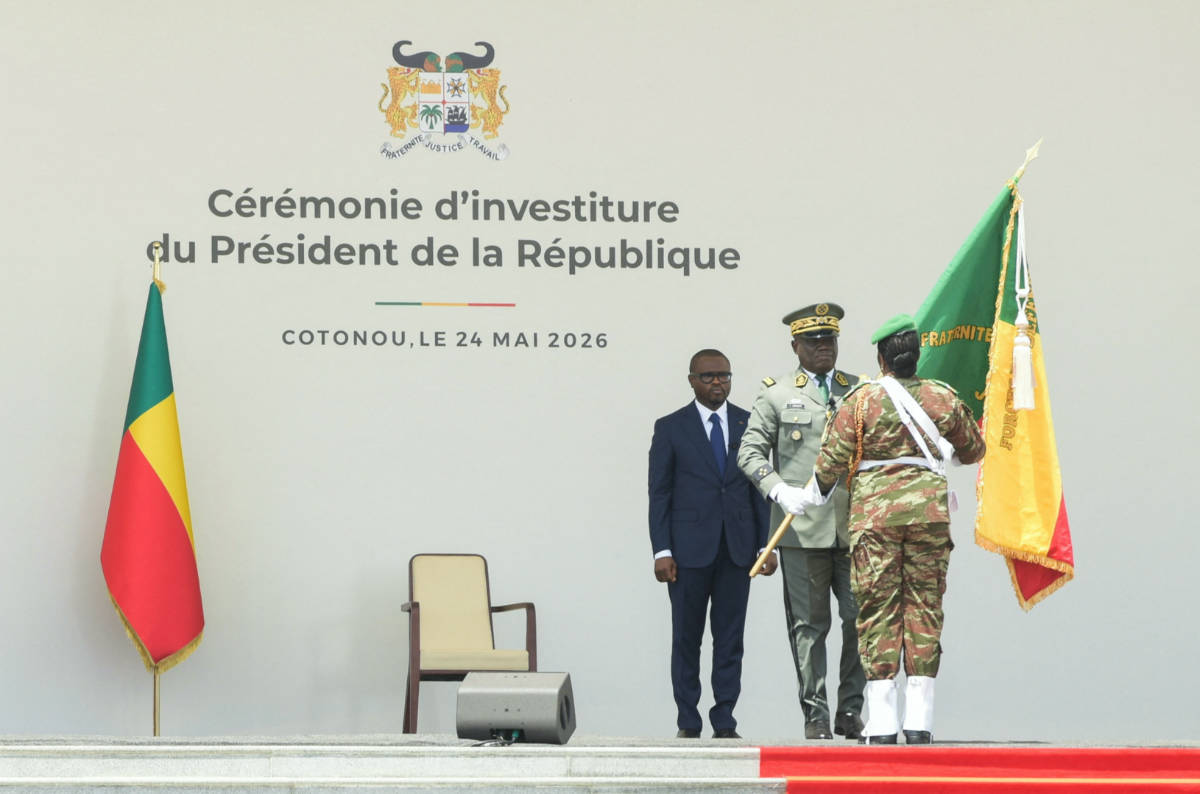
Nigeria and Benin Republic's trade relations currently register approximately $2 billion annually. This substantial economic exchange notes the existing foundation for cooperation between the two West African nations. A significant ceremony took place on Sunday at the Presidential Palace in Cotonou, aimed at deepening the partnership between the two nations to enhance regional stability and foster mutual development. The event served as a platform to reaffirm the commitment of both countries to strengthening their bilateral ties across various sectors.
Strengthening Bilateral Ties
Approximately five million Nigerians reside in Benin Republic, a nation with an estimated total population of 15 million people. The significant Nigerian presence shows a deep demographic and cultural connection between the two West African countries, noting the intertwined destinies of their populations. Nigeria and Benin are actively implementing regional trade and economic frameworks, including the ECOWAS Trade Liberalisation Scheme and the Common External Tariff system. These initiatives are designed to foster closer economic integration and streamline commercial activities across their shared borders, promoting a more fluid movement of goods and services. The ongoing collaboration through these established frameworks aims to enhance regional stability and economic development for both nations, contributing to the overall prosperity of the sub-region. The extensive Nigerian population in Benin notes the intertwined destinies and the potential for expanded cooperation in various sectors, ranging from economic ventures to social and cultural exchanges. This demographic reality provides a strong foundation for strengthened bilateral ties beyond purely economic considerations, encompassing social and cultural exchanges that enrich both societies.
Grassroots Cooperation Initiatives
The border between Nigeria and Benin Republic extends for nearly 600 kilometers, spanning six Nigerian states. This extensive shared frontier necessitates close collaboration on a local level to manage cross-border activities effectively. Recognizing the importance of this shared boundary, both countries formalized grassroots cooperation in August last year through a Memorandum of Understanding. This landmark agreement established direct cooperation mechanisms between Nigerian border local government areas and neighboring communities in Benin. This initiative focuses particularly on key border towns such as Seme, Igbokofi, and Ilara, which are vital hubs for cross-border interactions. The MoU aims to facilitate direct engagement at the local level, fostering closer ties and addressing shared challenges in these interconnected communities, including security and economic development. This framework for collaboration at the grassroots level is intended to enhance security and economic activities along the lengthy border, ensuring that local populations benefit directly from the strengthened bilateral relationship. The direct engagement mechanisms are key for tackling issues such as informal trade, border security, and community development projects.
Commitment to Regional Democracy
Vice President Kashim Shettima represented President Bola Tinubu at the inauguration of President Romuald Wadagni, an event showing Nigeria's commitment to its neighbor and the broader regional stability. The current Nigerian administration views the relationship with Benin as strategic for regional integration and democratic stability in West Africa, recognizing Benin's role as a key partner in achieving these objectives. Vice President Shettima affirmed this stance, stating, "Our presence here in Cotonou underlines President Tinubu’s unwavering, deep-seated commitment to strengthening ties with our neighbours." He emphasized the profound historical and cultural connections between the two nations, noting the shared heritage that binds them. "Our border with the Benin Republic stretches across nearly 600 kilometres, spanning six Nigerian states, including Kebbi State," Shettima noted, providing a geographical context to the close relationship. He added, "Our cultural and historical ties run deep—we intermarry, and our communities overlap, creating a rich tapestry of shared traditions and kinship."
Shettima further noted this shared heritage, remarking, "There are Yoruba people on this side of the border just as there are in Nigeria. Benin has a Borgu Province, while we have a Borgu Local Government Area in Niger State. We are essentially one people tied to a common destiny." This statement showed the deep-rooted cultural and ethnic linkages that transcend national boundaries. He concluded, "Because of this, we must show solidarity, empathy and active support toward strengthening democracy in West Africa." As member states of ECOWAS, both Nigeria and Benin uphold the protocol on free movement of persons, which permits citizens to reside in each other's territories for up to 90 days without requiring a visa, further facilitating cross-border interactions and strengthening the bond between their peoples. This protocol exemplifies the commitment of both nations to regional integration and the ease of movement for their citizens.