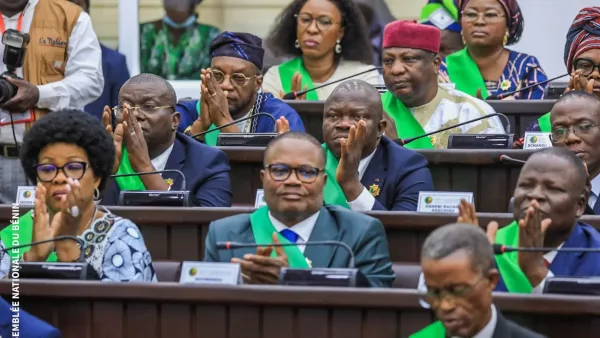
Deputies of the National Assembly are scheduled to convene on Friday, June 19, 2026, for a session that will address the finance law. The agenda for the session also includes a review of a proposal concerning the Mediator of the Republic. This upcoming session in the year 2026 marks a key point in the legislative calendar, bringing together lawmakers to deliberate on significant national matters. The focus on both financial legislation and institutional reform notes the breadth of the assembly's responsibilities.
Key Legislative Agenda
The National Assembly session will focus on the emergency procedure for the draft supplementary finance law for the year 2026. This legislative initiative, deemed critical for the nation's financial health and stability, is a primary item on the agenda. The decision to prioritize this draft supplementary finance law under an emergency procedure shows the urgency and importance attached to its swift review and potential adoption by the legislative body.
The assembly will also review a proposal concerning the Mediator of the Republic. This proposal seeks to amend the existing provisions that govern the institution of the Mediator of the Republic. The review aims to scrutinize the proposed changes to its operational framework and authority, ensuring that the institution continues to effectively serve its mandate. The proposed amendments are expected to refine the role and functions of the Mediator, an office central to citizen recourse and administrative oversight. The detailed examination by the deputies will consider the implications of these changes for governance and public administration.
Procedural Approvals
Deputies of the National Assembly have approved requests for an emergency review concerning the two principal items on the legislative agenda. This approval clears the path for an expedited examination of the draft supplementary finance law for the year 2026. This fast-tracking mechanism reflects the consensus among deputies regarding the immediate necessity of addressing the proposed financial adjustments. Additionally, the proposal regarding the Mediator of the Republic will also undergo an urgent review. The decision to fast-track these legislative processes was made during preliminary proceedings, setting the stage for the formal session scheduled for Friday, June 19, 2026. The approval allows for a quicker legislative timeline for both critical texts, indicating a concerted effort by the National Assembly to efficiently manage its legislative duties and respond to pressing national requirements. This procedural decision ensures that both the financial law and the institutional reform proposal receive prompt attention from lawmakers.
Upcoming Budgetary Discussions
Following the National Assembly's session to review the finance law, deputies are scheduled to engage in further budgetary discussions. The year 2026 will see deputies participate in a seminar specifically dedicated to the Budget Orientation Debate (DOB). This event is slated for Monday, June 22. The seminar aims to provide a focused forum for lawmakers to deliberate on the foundational principles and priorities that will guide the upcoming national budget. Such discussions are considered a critical step in the legislative process, allowing for preliminary assessments and strategic planning before formal budget proposals are finalized. The engagement on June 22 shows the ongoing legislative focus on financial governance and economic policy for the nation, ensuring a full approach to future fiscal planning. This dedicated seminar provides an opportunity for in-depth analysis and strategic alignment among parliamentarians regarding national financial directions.
Context and Significance
The draft supplementary finance law will allow parliamentarians to evaluate adjustments proposed by the government to the current state budget. This review by the National Assembly is a critical step in the legislative process, enabling deputies to scrutinize the financial modifications put forth by the executive. The evaluation ensures that any changes to the existing budget align with national priorities and fiscal responsibilities. Lawmakers will assess the implications of these adjustments on various sectors and public services, considering the potential impact on citizens and the national economy. This process shows the legislature's role in overseeing government spending and ensuring fiscal accountability, reinforcing the checks and balances inherent in the governmental structure. The upcoming session provides the platform for this essential parliamentary oversight function, demonstrating the National Assembly's commitment to transparent and responsible financial management for the year 2026.