An Antillean influencer responded on TikTok to a message criticizing her for promoting Bénin to her community. The influencer's reaction notes ongoing social media discussions that defend Bénin's image against persistent stereotypes. These online exchanges often aim to portray a more diverse and nuanced view of the West African nation, moving beyond common misconceptions. The influencer's engagement on the popular social media platform shows the contemporary role of digital platforms in shaping public perception and challenging prevailing narratives about nations and cultures. Her direct response to the critical message exemplifies how individuals are leveraging social media to foster a more accurate understanding of Bénin's rich cultural tapestry.
Challenging Stereotypes Online
The critical message sent to the influencer asserted that as a Christian, she should not encourage her community to be interested in Bénin, claiming it would lead "many souls to hell." In response, the influencer noted the religious diversity within Bénin, stating that the country is home to Christians, Muslims, animists, and Vodun practitioners. She emphasized that the nation's spiritual landscape is far more complex than often portrayed, encompassing a wide array of beliefs and practices that coexist. This nuanced perspective aims to counteract the reductionist view that often simplifies Bénin's identity to a single religious tradition. By detailing the presence of multiple faiths, the influencer sought to educate her audience and challenge the misconceptions embedded in the critical message.
Benin's Diaspora Connection
Bénin is actively pursuing a policy of rapprochement with descendants of the African diaspora. This initiative aims to foster stronger ties with individuals whose ancestors were forcibly removed from the continent. As part of these efforts, the Beninese government adopted a law recognizing Beninese nationality for Afro-descendants. The legislation provides a formal pathway for those in the diaspora to reclaim their heritage and citizenship. This policy has spurred increased interest from individuals worldwide who wish to reconnect with their African origins and explore their ancestral links to Bénin. The government's proactive steps reflect a commitment to healing historical wounds and building bridges with communities globally. This push to welcome Afro-descendants back to their ancestral land is a cornerstone of Bénin's cultural and diplomatic strategy, aiming to strengthen identity and foster a sense of belonging for those separated by centuries of history.
Nationality and Identity
The Antillean influencer clarified that the process for obtaining Beninese nationality is administrative. She emphasized that acquiring citizenship does not involve any spiritual rituals or require an initiation, countering potential misconceptions about the nature of the nationality process. Her statement directly addresses the implicit biases and stereotypes that might suggest a non-secular or ritualistic component to gaining citizenship in a country often associated with Vodun. By noting the administrative nature of the process, she aimed to reassure potential applicants and dispel any fears or misunderstandings that could deter individuals from exploring their ancestral connections to Bénin. This clarification is particularly important for individuals in the diaspora who may be wary of cultural or religious requirements.
Broader Cultural Landscape
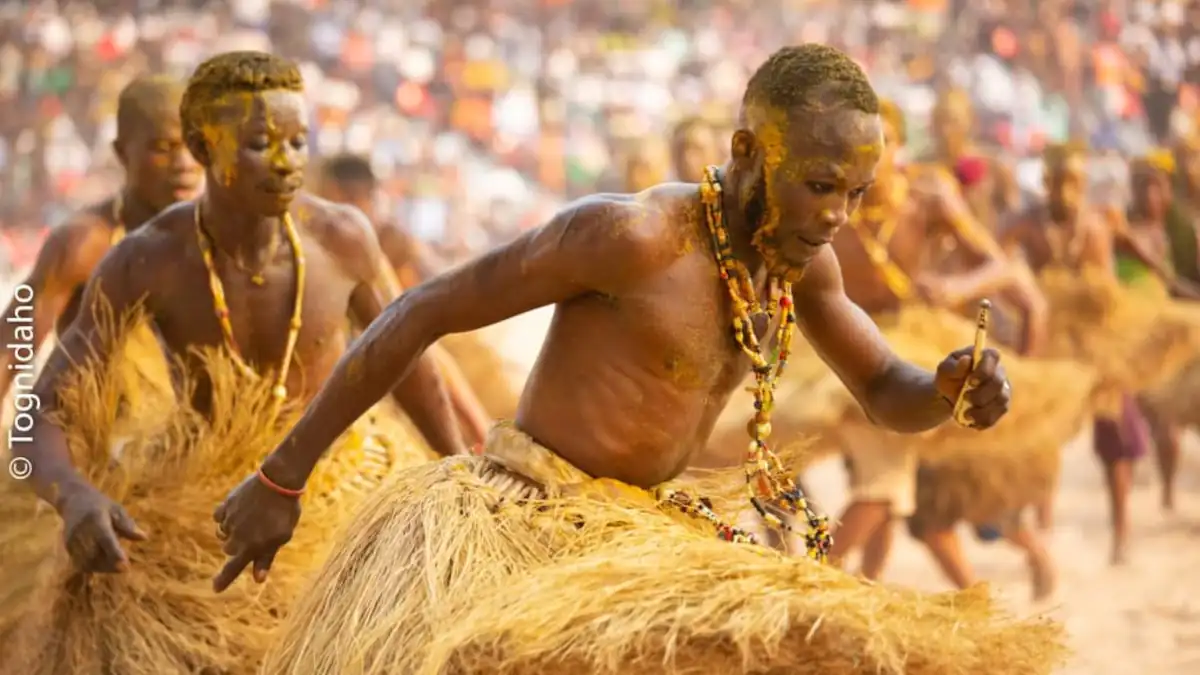
The Antillean influencer contended that Bénin's public image is frequently reduced to its Vodun tradition. This narrow representation, she argued, overshadows the nation's rich religious and cultural diversity. Her remarks show an ongoing effort by various individuals to present a more full view of Bénin, moving beyond singular cultural identifiers. The country's spiritual landscape includes not only Vodun practitioners but also significant populations of Christians and Muslims, reflecting a pluralistic society. This broader understanding is key for those seeking to connect with their ancestral roots or engage with contemporary Beninese culture. The influencer's perspective aims to counteract the simplification of Bénin's identity, promoting a more holistic appreciation of its people, traditions, and modern society. Her advocacy contributes to a wider discourse that seeks to challenge and correct stereotypical portrayals of African nations.