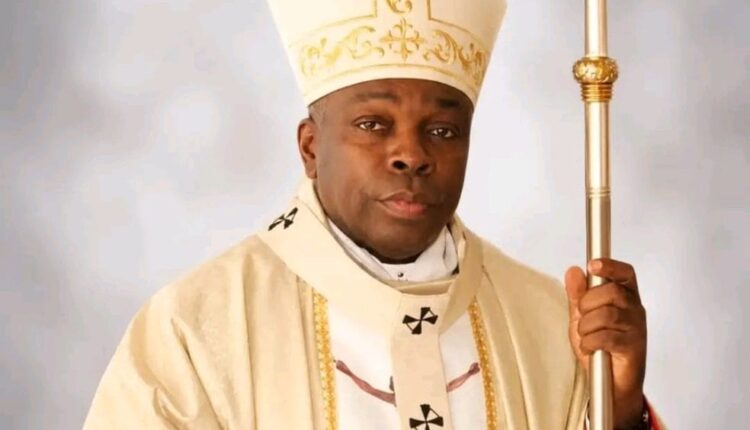
Professor Théodore Holo, former President of the Constitutional Court, has become an ex officio member of the Beninese Senate, where he aims to focus on issues of national stability and democratic development. His appointment to this significant legislative body shows a commitment to leveraging experienced leadership in the country's evolving political landscape. Holo stated his intention to contribute to "peace, social unity, political stability, the unity of the country, and development." This full vision notes his dedication to fostering a cohesive and prosperous Benin.
He acknowledged potential challenges inherent in such a key role, noting that "not everything can be rosy" but emphasized "positive aspects in the Senate’s provisions." Holo’s pragmatic outlook suggests an awareness of the complexities involved in national governance and legislative work. Holo reflected on past experiences, drawing parallels to significant historical moments in Benin's democratic journey, saying, "When I went to the National Conference, there were political parties that thought it would be of no value. We saw the results it produced." This historical reference serves to show the potential impact of collective effort despite initial skepticism. He affirmed, with conviction, "Even if we differ on issues, we have only one priority, we have only one homeland, and we will not destroy it." This statement reinforces his commitment to national cohesion above partisan differences. Holo also expressed a commitment to adaptation and continuous growth, stating, "The world is changing, and I too must be able to evolve and contribute to the deepening of democracy." This reflects a forward-thinking approach to his new responsibilities within the Senate.
Senate's Genesis and Installation
The new Beninese Senate is scheduled for official installation on July 30, 2026. This formal ceremony will mark a significant milestone in the country's legislative history. Its first members were appointed during a Council of Ministers meeting held on July 1, 2026, setting the stage for the body's operational commencement. The establishment of the Senate is a direct outcome of the constitutional revision enacted in November 2025, which fundamentally reshaped parts of Benin's governance structure. This revision paved the way for the creation of this new legislative chamber, designed to complement the existing National Assembly. This article is a 3-minute read.
Holo's Vision for the Chamber
Théodore Holo, the former president of the Constitutional Court, elaborated on his objectives for the newly established Beninese Senate during an appearance on ESAE TV on July 10, 2026. His participation in the television program provided an opportunity for him to share his perspectives directly with the public, outlining his vision for the Senate's role and impact. Holo stated his intention to contribute to "peace, social unity, political stability, the unity of the country, and development," reiterating his core priorities for the nation. He acknowledged that the path ahead might not be without difficulties, noting that "not everything can be rosy," a realistic assessment of the legislative and political environment. Despite potential challenges, Holo emphasized that he sees "positive aspects in the Senate’s provisions," suggesting a belief in the institution's capacity for positive change.
Holo drew parallels to past experiences, recalling, "When I went to the National Conference, there were political parties that thought it would be of no value. We saw the results it produced." This historical context serves to highlight the transformative potential of new political structures, even when met with initial skepticism. He reaffirmed a commitment to national cohesion and shared purpose, stating, "Even if we differ on issues, we have only one priority, we have only one homeland, and we will not destroy it." This powerful statement shows the importance of unity in achieving national objectives. Holo also expressed a readiness for adaptation and evolution in his new role, recognizing that "The world is changing, and I too must be able to evolve and contribute to the deepening of democracy." This notes his dedication to ensuring the Senate remains relevant and effective in a dynamic global context.
Navigating Political Landscape
The new Beninese Senate is scheduled for official installation in Porto-Novo on July 30, 2026. This formal ceremony will mark the commencement of the legislative body's operations, a key moment for Benin's political architecture. The choice of Porto-Novo for the installation shows the historical significance of the city as a key political center in the nation. The first members of the Senate were appointed earlier, during a Council of Ministers meeting held on July 1, 2026, following a rigorous selection process. The establishment of the Senate itself is a direct consequence of the constitutional revision that was enacted in November 2025, which paved the way for its creation as part of the country's governance structure. This revision aimed to strengthen democratic institutions and provide an additional layer of legislative oversight and representation. The Senate is expected to play a key role in ensuring strong national dialogue and legislative processes.