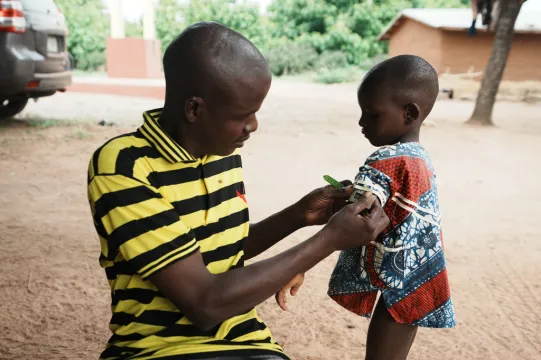
Child stunting affects more than 30% of children younger than five years old in Benin, noting a significant public health challenge in the West African nation. This widespread issue contributes to a broader crisis where poverty and misinformation are identified as major obstacles to progress in child nutrition and development across the country. The prevalence of stunting, a condition characterized by impaired growth and development, shows the urgent need for full interventions to safeguard the health and future of Benin's youngest population.
Deep Roots of Malnutrition
The diet of most families in N’dali is heavily reliant on starchy foods, including yams and cassava. This nutritional pattern often lacks the diversity required for healthy child development, failing to provide the essential vitamins, minerals, and proteins key for proper growth. Stunting, a condition marked by impaired growth and development, is largely irreversible in children affected during their first 1,000 days of life, a critical window for physical and cognitive growth that spans from conception to a child’s second birthday. During this key period, adequate nutrition is critical for preventing long-term developmental setbacks. The long-term consequences of stunting can include diminished school performance, reduced adult productivity, and increased susceptibility to chronic diseases later in life. Addressing the dietary composition and ensuring adequate nutrition during early childhood are key steps to combat this persistent public health challenge in regions like N’dali, where limited access to diverse food sources exacerbates the issue.
Challenging Perceptions and Practices
Stunting is more widespread in the northern regions of Benin, an area that frequently experiences sporadic drought conditions, contributing significantly to food insecurity and making consistent access to nutritious food even more challenging. To address these challenges, a pilot program has been implemented, focusing on direct nutritional interventions. This initiative has provided essential micronutrient supplements to mothers and babies, aiming to improve early childhood nutrition and bridge critical nutrient gaps. Additionally, the program has established school canteens to ensure that children receive nutritious meals during their school day, supporting their development and combating the effects of inadequate diets experienced at home. These targeted interventions are key in areas where environmental factors and economic hardships combine to create a high risk of malnutrition.
Community Efforts and Economic Barriers
Beninese authorities have set a national goal to reduce the prevalence of stunting to below 30% by the year 2030, reflecting a strategic effort to improve child nutrition outcomes across the nation. This ambitious target requires concerted action and a multi-faceted approach to address the underlying causes of malnutrition. However, deeply rooted social customs present significant challenges to these public health initiatives. Among these practices, pregnant women are often discouraged from consuming nutrient-rich cornmeal porridge, a staple food that could otherwise provide essential nourishment for both mother and developing fetus. Such customs, often based on traditional beliefs, can impede efforts to improve maternal and child health, directly affecting the nutritional status of infants and young children before and after birth. Addressing these ingrained practices through education and community engagement is key for the country to meet its stunting reduction targets and foster healthier communities, ensuring that cultural norms do not inadvertently undermine public health goals.
Voices from the Ground
A World Bank-funded "1,000 Days" program was launched in 2024 to support children during their first two years of life. This significant initiative aims to address the critical nutritional needs of infants and young children in Benin, building on existing efforts and expanding reach to vulnerable populations. The program focuses on providing full support, including nutritional education for parents, access to essential health services, and promoting optimal feeding practices during the most critical period of a child’s development. Such international partnerships are vital in bolstering local efforts to combat stunting and improve long-term health outcomes for Beninese children.