Results for the June 2026 session of the Brevet d’Études du Premier Cycle (BEPC) in Benin are slated for release on Friday, July 3, 2026. This announcement marks a significant date for students who participated in the examination across the national territory, eagerly awaiting the outcome of their efforts. The BEPC is a key certificate for students completing their first cycle of secondary education, serving as a gateway to further studies and career paths. The anticipation surrounding these results is palpable among students, parents, and educators alike, as the examination represents a major academic milestone in the Beninese educational system. The official release date provides clarity and a definitive timeline for all stakeholders involved.
Exam Participation Details
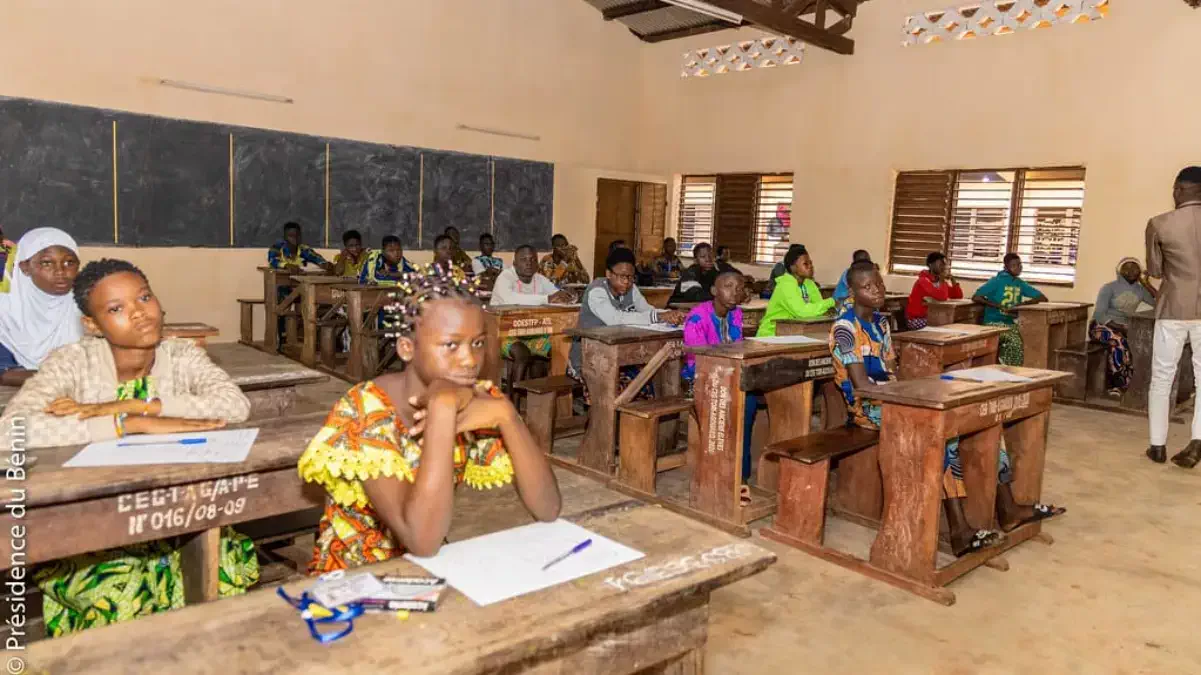
The written tests for the BEPC 2026 session took place from June 8 to June 10 across Benin, encompassing a period of three intensive days for the candidates. This annual examination is a cornerstone of the country's educational assessment. A total of 130,253 candidates participated in this examination, demonstrating the widespread engagement with the national curriculum and the pursuit of academic qualifications. These candidates were distributed across 224 exam centers throughout the national territory, ensuring accessibility and equitable participation for students from various regions. The logistical undertaking to manage such a large number of participants and centers notes the organizational capacity required for national examinations.
Among the total number of candidates, 65,936 were boys, representing 50.62% of all participants, showcasing a slight majority in male participation for this session. The cohort also included 64,317 girls, who constituted 49.38% of the total candidates, indicating a near-equal gender balance in the examination. The examination demonstrated a commitment to inclusivity by accommodating 61 candidates with disabilities. This total includes 21 girls with disabilities, ensuring that female students with special needs are also integrated into the national assessment process. Additionally, 40 boys with disabilities were registered to take the tests, further showing the inclusive nature of the examination process. The results for these candidates, reflective of their hard work and dedication, are anticipated to be released on July 3, 2026.
Digital Results Access
Candidates and their parents will not be required to travel to examination centers to check the BEPC 2026 results. This measure aims to reduce logistical burdens and ensure convenience for all participants. The Ministry of Secondary, Technical, and Vocational Education has indicated that the official platform, “eRésultats,” will be the exclusive method for accessing the scores. This digital approach aims to streamline the process, allowing all participants to retrieve their results remotely from the comfort of their homes or any internet-enabled location. The platform centralizes the information, providing a unified and secure point of access for the examination outcomes. This digital delivery system is part of a broader effort to modernize educational services and improve efficiency in the dissemination of critical academic information. It eliminates the need for physical congregation at exam centers, which can often be time-consuming and costly for families.
Government's Inclusive Commitment
The unique session of the Brevet d’Études du Premier Cycle (BEPC) 2026 recorded the participation of 130,253 candidates, a significant figure that shows the breadth of educational engagement in Benin. This cohort included 64,317 girls, accounting for 49.38% of all participants, reflecting a strong representation of female students in the secondary education cycle. The examination also demonstrated a commitment to inclusivity by accommodating 61 candidates with disabilities, ensuring that the educational system serves all segments of the population. Among these, 40 boys with disabilities were registered to take the tests, alongside 21 girls with disabilities. This notes the government's efforts to ensure access to education for diverse populations across the national territory, promoting equity and equal opportunities for all students, regardless of their physical abilities or gender. The provision of support and accommodations for candidates with disabilities reinforces the principle that education is a fundamental right for every child in Benin.