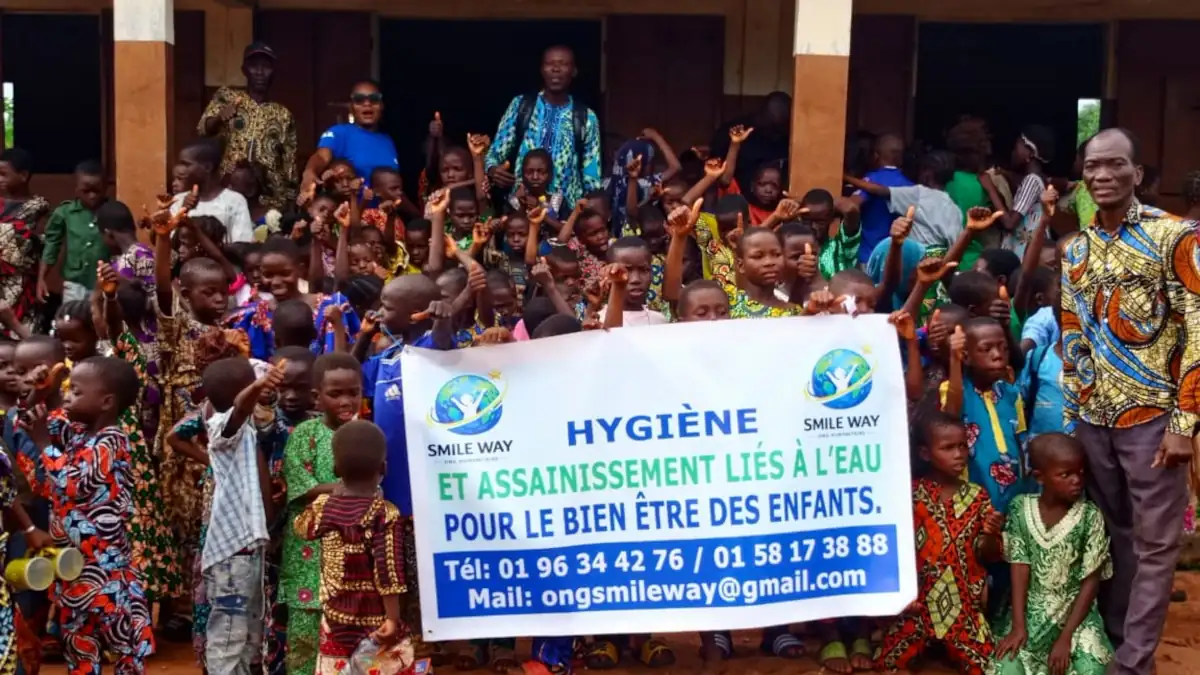
The non-governmental organization Smile Way organized a full hygiene and sanitation education session for more than 200 schoolchildren on June 26, 2026. This significant event took place at the École primaire publique (EPP) de Kpaviédja, which is situated in the arrondissement of Kpanroun, Bénin. The primary objective of the session, according to the organization, was to proactively prevent the spread of waterborne diseases, a concern that becomes particularly acute during the ongoing rainy season. Smile Way aimed to equip the participating students with essential knowledge and practical skills necessary to maintain personal hygiene and, by extension, to foster healthier community practices within their homes and wider environment. The initiative showed the critical role of education in promoting public health at a foundational level.
Hygiene and Sanitation Topics Covered
During the educational program, children attending the session were thoroughly reminded of the critical importance of handwashing. Specific emphasis was placed on the necessity of washing hands meticulously before meals and immediately after using toilets, noting these moments as critical junctures for disease prevention. The full educational program addressed a wide array of personal hygiene topics designed to instill good habits from an early age. These included detailed instructions on proper teeth brushing techniques, reinforcing the significance of regularly wearing clean clothes, and practical advice for maintaining clean dishes to prevent contamination.
Sanitation was also a key focus of the session, with in-depth discussions on the importance of regularly clearing surroundings of waste and debris, diligently cleaning latrines, and the critical need to completely avoid open defecation. Participants were educated on the direct and undeniable link between these recommended behaviors and the prevention of common, often debilitating, diseases. The specific health issues discussed in relation to these practices included cholera, diarrhea, scabies, ringworm, and various other transmissible infections that can severely impact children's health and attendance at school. A specific risk identified and addressed during the session was the common practice among schoolchildren of sharing drinking containers or using their hands directly to drink water, both of which can significantly facilitate disease transmission within the school environment and beyond.
Practical Workshop and Materials
To complement the theoretical instruction, Smile Way conducted a highly engaging and practical workshop. This hands-on session demonstrated the creation of an artisanal handwashing device, empowering students with a tangible solution they could replicate. The device was ingeniously constructed using readily available local materials, showcasing resourcefulness and accessibility. These materials included empty cans, a length of string, a simple metal point, and a bar of soap, illustrating that effective hygiene solutions do not always require expensive or complex components. This practical exercise was specifically designed to provide schoolchildren with an accessible and sustainable method for maintaining consistent hand hygiene, even in settings with limited infrastructure.
Following the successful completion of the workshop, the NGO organized a thoughtful distribution of cups for some of the attending students. This initiative directly aimed to address the previously identified risk of disease transmission through shared drinking containers or the unhygienic practice of direct hand-to-mouth drinking among schoolchildren. The distribution of individual cups was a practical step that supported the broader hygiene education objectives of the session, providing a tangible tool to reinforce the lessons learned. This act also served as a practical demonstration of the organization's commitment to implementing immediate solutions for better health outcomes for the children.
Recommendations and Future Impact
Looking ahead, the NGO Smile Way has put forth a series of additional measures designed to reinforce and sustain hygiene practices within the community, extending beyond the single educational session. These key recommendations include the continued distribution of essential items such as cups and handwashing kits to schoolchildren. The organization firmly stated that such ongoing distributions would play a key role in helping to sustain the positive impact of their educational sessions and provide practical, everyday tools for maintaining personal hygiene, ensuring that the lessons learned translate into lasting habits.
Further recommendations outlined by Smile Way involve the strategic installation of fixed handwashing devices at key locations, specifically at schools and various public places. This initiative aims to ensure consistent and convenient access to essential hygiene facilities for all members of the community, thereby institutionalizing good hygiene practices. The NGO also strongly suggested conducting similar hygiene education sessions specifically tailored for parents. This proposed initiative aims to significantly extend the reach of the hygiene messages beyond just the schoolchildren, promoting a broader, community-wide adoption of safe and healthy practices within households and across generations.
These full proposed actions by Smile Way are meticulously aligned with the overarching objectives of Water, Sanitation, and Hygiene (WASH) programs, which advocate for integrated approaches to public health. The organization emphasized that integrating these specific measures would contribute significantly to a more full and effective approach to public health, particularly in the vital areas of preventing waterborne diseases and substantially improving overall sanitation standards throughout the region of Kpanroun and potentially beyond. The long-term vision is to foster a culture of hygiene that protects the health and well-being of the entire community.