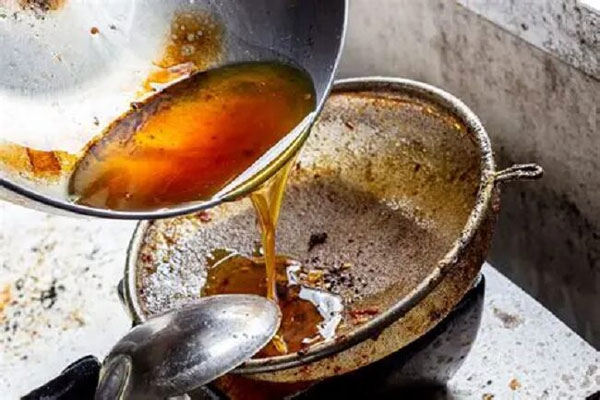
AMAVI operates a recycling facility in Ouedo-Kpossidja, located approximately 40 km north of Cotonou, Benin. Since launching operations in 2023, the startup has collected and recycled more than 150,000 liters of used cooking oil. Carmel Djiha, the founder of AMAVI, says the initiative addresses significant public health risks associated with the reuse of waste oil. "Consuming used cooking oil is harmful to human health and can cause cancer and respiratory problems in the long term," Djiha states. By converting this waste into sustainable products, the organization aims to remove discarded oil from the local food supply chain.
The facility in Ouedo-Kpossidja serves as the central hub for these processing efforts. By establishing a physical presence 40 km north of Cotonou, AMAVI has positioned itself to effectively manage the logistics of waste oil collection from surrounding urban and suburban areas. The startup relies on this site to centralize the purification and transformation of the collected materials, ensuring that the waste is handled in a controlled environment before it is repurposed into sustainable goods.
Partnerships and Operational Growth
AMAVI maintains active collection networks involving more than 100 restaurant operators. These businesses provide a steady supply of used cooking oil to the startup, preventing the material from re-entering the food supply chain. The partnership with these 100 restaurant operators is critical to the startup's ability to maintain a consistent flow of raw material for its recycling processes.
To support these processing activities, AMAVI finalized a partnership agreement with the Chinese company Henan Hengyong. This collaboration provides the Benin-based startup with specialized equipment necessary for industrial-scale conversion. Henan Hengyong also delivers technical training to the AMAVI staff to ensure the proper operation of the machinery. These operational upgrades allow the facility to manage the increasing volume of oil collected from the restaurant partners. The partnership establishes a technical link between the Benin facility and the Chinese manufacturing sector to improve overall production efficiency. By securing this agreement with Henan Hengyong, the startup has gained access to the specialized equipment required to scale its operations beyond initial pilot capacities.
Addressing Environmental and Health Risks
Benin maintains legislation governing the management of used oil that dates back to 2003. This regulatory framework establishes protocols for the handling and disposal of waste oils to protect the environment. Since the implementation of this 2003 legislation, the country has sought to regulate how waste products are processed to mitigate ecological damage. AMAVI operates within this established national legal structure as it expands its processing capabilities at the Ouedo-Kpossidja facility.
AMAVI plans to industrialize its biodiesel production by 2030. The company set a target daily output of more than three tonnes for this future stage of operations. This transition toward industrial-scale production represents the next phase of development for the startup. Carmel Djiha manages the long-term planning for these production goals to align with the startup's existing collection networks and technical partnerships. As the facility moves toward its 2030 objectives, it continues to refine its methods for converting waste oil into viable biodiesel, aiming to contribute to the local energy sector while adhering to the standards set by the 2003 legislation.