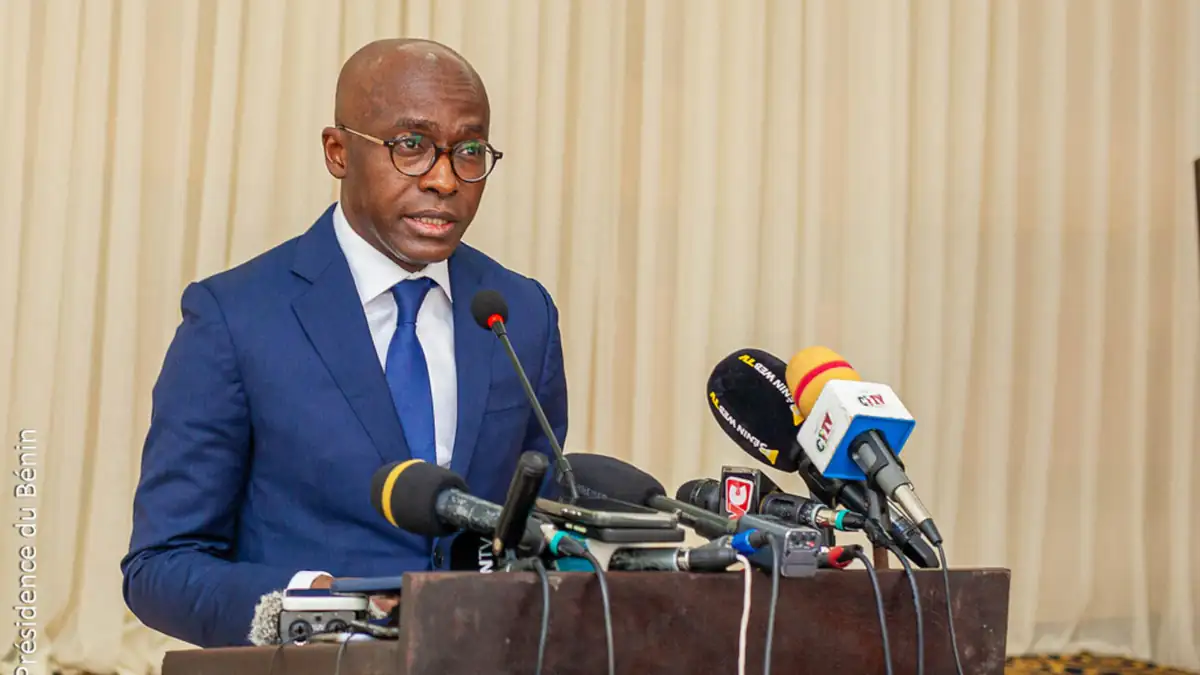
The Beninese government and the World Bank Group signed two financing agreements totaling $320 million on Friday, July 18, in Cotonou, Benin. The agreements aim to support the West African nation's energy sector and human capital development. This significant financial commitment shows the World Bank Group's ongoing partnership with Benin, reinforcing efforts to foster sustainable development and address key national priorities. The funds are expected to facilitate key initiatives designed to improve access to reliable energy and enhance educational and health outcomes across the country, directly impacting the well-being and economic prospects of its citizens. The formal signing ceremony marked a key moment in the collaborative strategy between Benin and the international development institution.
Energy Infrastructure Boost
The first of the two agreements secured by Benin is valued at $150 million. This substantial financial commitment is specifically allocated to the energy sector, aiming to significantly bolster the nation's power infrastructure. A primary objective of this funding is to finance the construction of the Dogo-Bis multipurpose hydroelectric dam. This ambitious dam project is strategically situated in the Oueme Valley, a region identified for its considerable potential in renewable energy generation. The development of Dogo-Bis is intended to enhance Benin's capacity for sustainable energy production, moving the country towards greater energy independence and contributing to a more reliable and stable power supply across the country. This investment is key for supporting industrial growth and improving daily life for Beninese households.
Human Capital Development Initiative
The human capital development initiative is supported by the second of the two agreements, which is valued at $170 million. This financing is specifically directed towards the first phase of the ALAFIA program, a flagship initiative designed to uplift the nation's human development indicators. Benin's government and the World Bank Group have designated this funding to strengthen human capital development, alongside supporting energy infrastructure, as a core component of their broader partnership. The ALAFIA program is meticulously designed to enhance educational and health outcomes across the country, building on the government's strategic priorities to invest in its people. The $170 million allocation is expected to facilitate tangible improvements in these critical sectors, contributing significantly to the nation's long-term socio-economic progress and fostering a healthier, more educated populace.
Strategic Alignment and Impact
The Dogo-Bis dam project aims to substantially increase Benin's electricity generation capacity, improve water security for agricultural and domestic use, and support the development of a thriving agro-industrial hub in the Oueme Valley. This multi-faceted approach to energy infrastructure is expected to create jobs and stimulate local economies. Separately, the ALAFIA program seeks to improve access to integrated nutrition, healthcare, and early childhood development services, with a particular focus on addressing the needs of women and children, who are often the most vulnerable. These two projects reflect the Beninese government's strategic vision of combining productive infrastructure investment with strong human capital development. This full approach is intended to promote sustainable and inclusive growth across the nation, ensuring that economic progress is accompanied by social advancement. The World Bank Group's financing supports these dual objectives, aligning perfectly with Benin's national development priorities in both the energy sector and critical social sectors. The combined impact of these agreements is anticipated to lay a strong foundation for future prosperity and resilience in Benin.