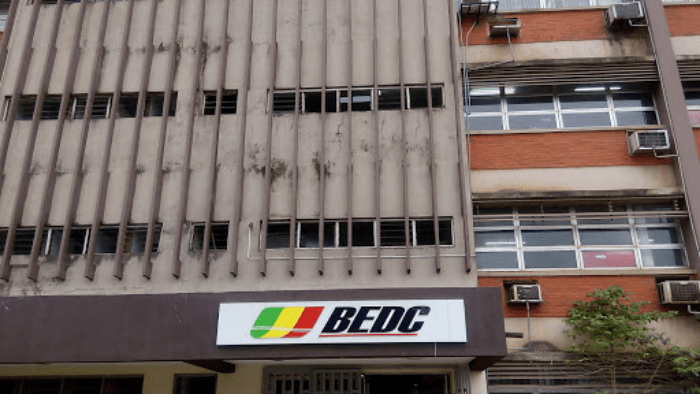
Ghana’s government is in discussions with Benin’s authorities to secure a supply of cotton fiber, Ghanaian President John Dramani Mahama announced on Thursday, July 16. These key talks aim to revive the Volta Star Textiles Limited factory in Juapong, North Tongu district, Volta Region. The factory specialized in the production of grey baft, a raw cotton fabric, which is a fundamental material for various textile products. President Mahama revealed the ongoing engagement as part of broader efforts to restore the facility's operations and boost Ghana's textile industry. This strategic move shows Ghana's commitment to industrial revitalization and the importance of securing reliable raw material sources for its manufacturing sector.
Factory's Past and Present
Volta Star Textiles Limited originated in 1968 as Juapong Textiles Limited, establishing itself as a significant player in Ghana's nascent industrial landscape. The Ghanaian state later took over the facility, leading to its rebranding as Volta Star Textiles Limited in 2007. This transition marked a period of state-led industrial development. At its peak operating capacity, the factory was capable of producing approximately 26 million yards (nearly 24 million meters) of fabric annually, demonstrating its substantial contribution to local textile production. However, despite its historical importance and production capabilities, the factory ultimately ceased operations in July 2023. This closure was attributed to mounting energy debt and various operational inefficiencies that severely affected its viability and led to its eventual shutdown. The cessation of operations left a significant gap in the local textile supply chain and noted the challenges faced by industrial enterprises in the region.
Benin's Cotton Sector Strength
Benin's cotton sector demonstrated significant export capabilities in 2025, solidifying its position as a major regional producer. The country exported nearly 200,000 tons of uncarded and uncombed cotton, a raw form of cotton fiber. This strong export activity generated a substantial 223.5 billion CFA francs ($398 million) in revenue for the country, showing the economic importance of its cotton industry. The sector is also projecting substantial growth in its production capacity, indicating a positive outlook for future yields. Benin's cotton sector anticipates an 8% increase in seed cotton production, with a target harvest of 700,000 tons set for the 2026/2027 season. This projected growth shows the country's position as a key cotton producer in the region and notes its potential to reliably supply raw materials for textile industries across West Africa. The strong performance and optimistic forecasts for Benin's cotton output make it an exceptionally attractive source for nations like Ghana seeking to bolster their textile manufacturing capabilities and ensure a steady supply of raw materials.
Ghana's Cotton Production Lag
In stark contrast to Benin's thriving sector, Ghana's domestic seed cotton production has remained stagnant for several years. Output held consistently at 28,000 tons annually between 2020 and 2024. This consistent level of production contrasts sharply with the country's textile manufacturing ambitions, noting a significant shortfall in local raw material supply. The limited availability of domestically sourced cotton fiber necessitates exploring external avenues to sustain and revive textile operations like Volta Star Textiles Limited. This reliance on imports shows the challenges faced by Ghana's textile industry in securing essential raw materials from within its borders. The static production figures indicate a persistent gap that external partnerships, such as those being pursued with Benin, aim to address for industrial revitalization and to ensure the long-term viability of textile factories.
Revival Strategy and Outlook
The initiative to secure cotton from Benin is a key part of a broader project aimed at reviving the Volta Star Textiles Limited factory, which is strategically located in Juapong, North Tongu district, Volta Region. This full effort seeks to restore the facility's operations after its unfortunate closure due to a combination of operational challenges and financial difficulties. An investor has been selected to take over the factory, a key development critical to its planned revival and future sustainability. However, the identity of this investor has not yet been publicly disclosed, with further details expected to emerge as the revival process progresses. The selection of an investor marks a significant step in the strategy to bring the textile factory back into production, aligning with Ghana's broader efforts to rebuild its industrial capacity and create employment opportunities within the manufacturing sector. This collaborative approach, combining government efforts with private investment and regional partnerships, is seen as essential for the successful resuscitation of the factory.