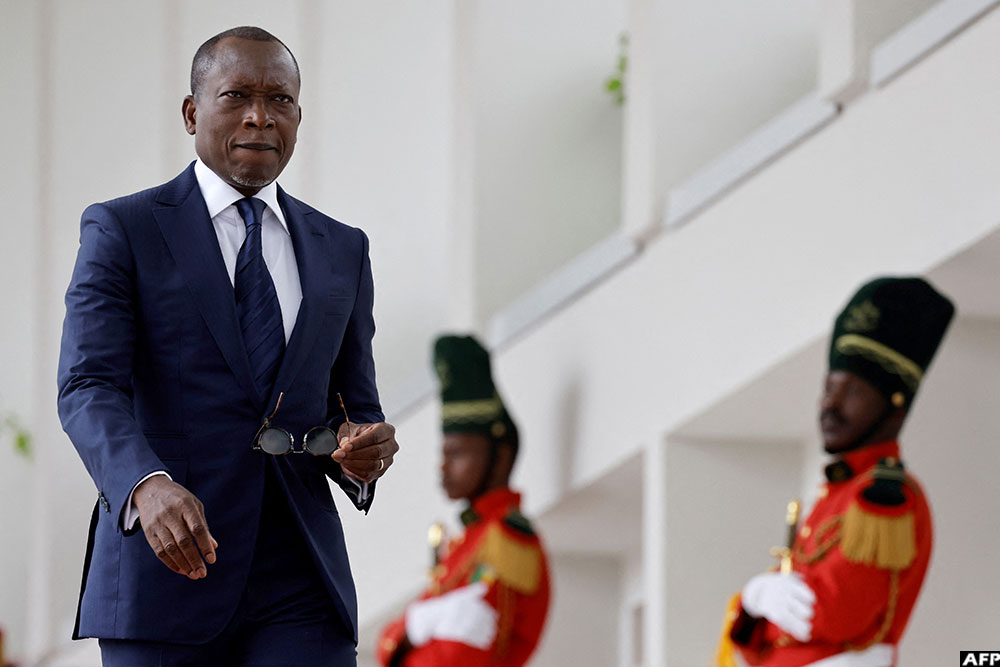
President Romuald Wadagni reshuffled the military leadership of Benin on Wednesday, 4 November 2026. The move marks a significant administrative change for the nation's armed forces. Romuald Wadagni originally took office as president in April 2026. The president initiated these leadership updates seven months after assuming the presidency.
Context of Military Changes
Beninese military stability faced a significant challenge in December 2025. During that month, the Beninese army successfully foiled an attempt by various officers to overthrow former president Patrice Talon. This specific incident remains the most recent documented case of internal instability within the national armed forces prior to the leadership updates introduced by President Romuald Wadagni. The foiled coup attempt occurred months before the presidential transition that led to the current administration. Military officials identified the plot as a direct threat to the constitutional order existing at that time. Security forces neutralized the participants before they could execute their plans against the government led by Patrice Talon. The administration continues to monitor internal cohesion as it implements the current organizational restructuring of the military command.
New Military Command Appointments
General Abou Issa assumes the position of head of the military, replacing General Fructeux Gbaguidi. Following this transition, General Fructeux Gbaguidi moves into the role of permanent secretary of the National Defence and Security Council.
Colonel Andre Dokoui Fofo takes command of the land-based military as part of the broader restructuring. Colonel Herve Setondji Allotchenou receives the appointment as head of the air force. Captain Dossa Hounkpatin fills the vacancy for head of the navy. These appointments represent the primary shifts in the senior command structure of the Beninese armed forces announced on 4 November 2026.
Addressing Regional Security Threats
Benin faces a persistent jihadist threat concentrated in the northern regions of the country. Security assessments link these militant activities to fighters affiliated with Al-Qaeda or the Islamic State group. These armed groups operate across the border areas connecting Benin to the broader Sahel, where regional instability remains a primary concern for national defense planners. Security officials maintain that the presence of these fighters in northern territories necessitates the current adjustments in military leadership to improve operational responsiveness. The government continues to evaluate the impact of these groups on border security and local stability as part of its ongoing efforts to secure the northern frontier.