Le forum d'investissement FocusSEZ 2026 s'est tenu à Cotonou du 21 octobre au 22 octobre 2026. Cet événement a rassemblé des acteurs économiques autour des enjeux de transformation industrielle au Bénin. Les discussions ont porté sur le développement des capacités d'exportation du pays et le renforcement des infrastructures dédiées aux activités manufacturières. Les participants ont examiné les opportunités offertes par les zones économiques spéciales pour diversifier l'économie nationale. Les échanges ont également permis d'analyser les mécanismes de financement nécessaires à la croissance du secteur industriel local. Cette rencontre s'inscrit dans la stratégie de valorisation des ressources nationales à travers une production locale accrue et une intégration renforcée aux marchés internationaux.
La montée en puissance industrielle
La Glo-Djigbé Industrial Zone (GDIZ) transforme actuellement 40 000 tonnes de coton par an. Ce volume de traitement représente environ 12,7 % de la production nationale de coton au Bénin. Létondji Béhéton, directeur général de SIPI-Benin S.A. Précise : « At GDIZ, we have transformed 40,000 tons of cotton annually, representing approximately 12,7% of the country’s national cotton production allowing for the manufacture of 50 million garments ». Cette capacité de production soutient la fabrication de 50 millions de vêtements au sein de la zone industrielle. Jean Arsène Yérima, directeur régional des opérations pour l'Afrique de l'Ouest francophone à l'African Export-Import Bank (Afreximbank), ajoute : « One of our flagship innovations is the implementation of the Pan-African Payment and Settlement System (PAPSS) to facilitate transactions in local currencies ». Stephanie Wambua, experte kényane en marketing et partenariats stratégiques, complète : « Repeated exposure to brand touchpoints also show how consistency can spark interest and encourage people to seek more information about a business ».
Infrastructures énergétiques et développement durable
La Glo-Djigbé Industrial Zone (GDIZ) finalise ses installations énergétiques pour accompagner son expansion manufacturière. Létondji Béhéton, directeur général de SIPI-Benin S.A. Confirme l'achèvement d'un gazoduc de 30 kilomètres destiné à alimenter les unités de production. « We have just completed the construction of a 30km gas pipeline and we are developing solar power plants, the first series of which will be ready in 18 months, with a production capacity of 300 megawatts to support the zone’s growth, and the surplus will be fed into the national grid », déclare Létondji Béhéton.
Ces nouvelles infrastructures solaires visent une capacité totale de 300 mégawatts. La mise en service de la première série d'équipements est prévue d'ici 18 mois. Le surplus d'énergie généré par ces unités photovoltaïques sera injecté dans le réseau national béninois afin de renforcer la stabilité énergétique globale.
Perspectives économiques et emploi
La production annuelle de coton au sein de la Glo-Djigbé Industrial Zone (GDIZ) devrait atteindre environ 100 000 tonnes d'ici 2030. Létondji Béhéton, managing director of SIPI-Benin S.A. Déclare : « These efforts have helped to increase Benin’s GDP to US$19.4 billion in 2023 for a population of 13.4 million ». La GDIZ soutient actuellement 25 000 emplois et prévoit d'en créer 300 000 d'ici 2030.
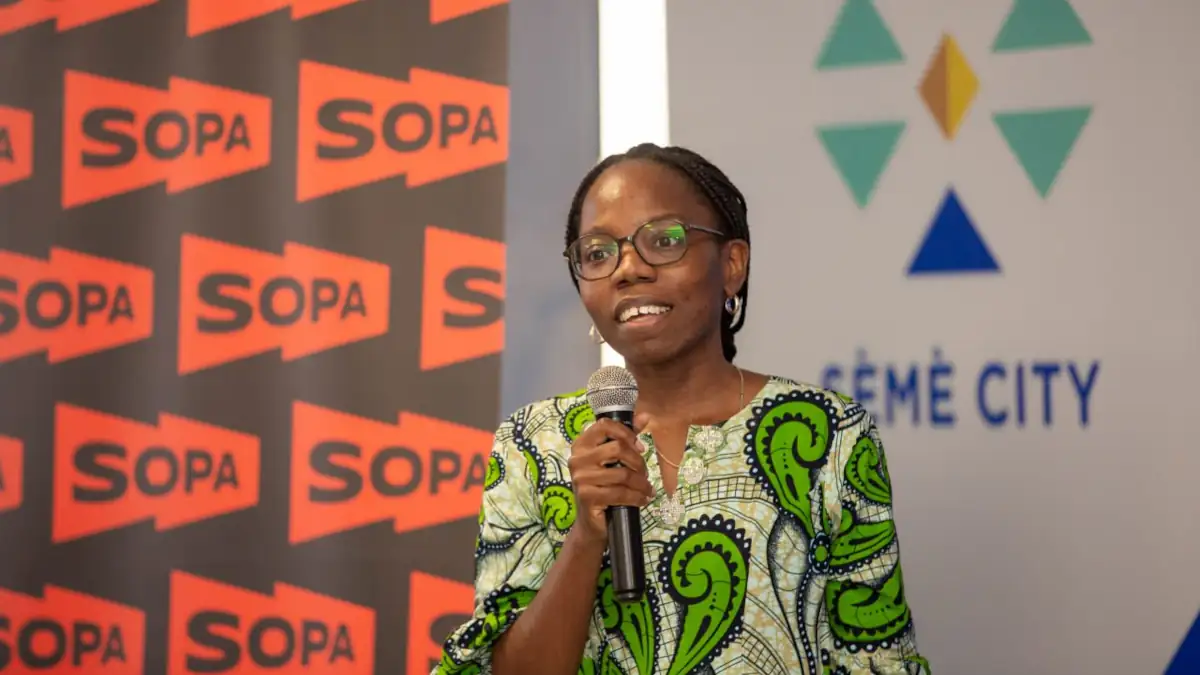
Maryse Lokossou, Director General of the Benin Deposit and Consignment Fund (CDC Benin), note : « Generally, when we analyse the projects we receive, the main challenge lies in the ability of the project leaders to present a technical and financial structure capable of attracting investors ». Ramanou Kouferidji, fondateur d'un groupe de communication axé sur l'entrepreneuriat, ajoute : « Beyond the need to support local SMEs upstream in structuring their projects to be submitted for funding, it is important to create an equity fund to cover and guarantee their development efforts in order to protect and retain added value at the local level ».