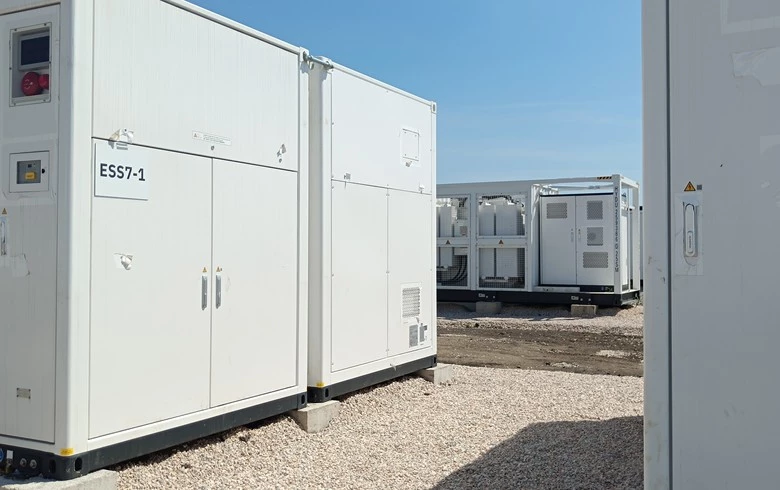
Toyota Tsusho will deploy 50 megawatts (MW) of battery storage systems to support solar power plants across Benin. The initiative aims to enhance the reliability and stability of Benin's electricity grid by integrating renewable energy sources. The Japanese trading company will implement these systems to manage the intermittent nature of solar generation, ensuring a consistent power supply. This project represents a significant investment in Benin's energy infrastructure and its transition towards sustainable power solutions. The deployment is part of broader efforts to strengthen energy independence in the West African nation, directly addressing the critical need for strong energy storage capacity.
Project Details and Scope
The project encompasses the deployment of energy storage systems designed to complement solar power generation. This integration aims to address the inherent variability of renewable energy sources, ensuring a more consistent and reliable electricity supply for Benin. The initiative focuses on enhancing grid stability by storing surplus solar energy during peak generation times and discharging it when demand rises or solar output diminishes. This strategic approach is expected to bolster the West African nation's energy infrastructure and support its transition towards sustainable power solutions. The deployment of 50 MW of battery capacity is a key component of efforts to strengthen energy independence in the region, providing essential flexibility to the national grid. Toyota Tsusho's commitment involves installing these 50 MW of batteries specifically for solar parks in Benin, thereby maximizing the efficiency and dispatchability of renewable energy. The project, combining solar power and energy storage, was reported on June 26, 2026, at 4:54:30 PM, noting a significant step in developing resilient energy infrastructure.
Strategic Importance for Benin
The project's location in Benin positions it as a significant development within Sub-Saharan Africa. The deployment of 50 MW of battery storage systems by Toyota Tsusho is intended to support solar power plants across the nation. This substantial capacity aims to enhance the reliability and stability of Benin's electricity grid, a key factor for economic development and quality of life. Integrating these battery systems will help manage the intermittent nature of solar generation, contributing to a more consistent power supply and improving overall grid performance. The strategic focus on energy storage in Benin shows efforts to improve energy infrastructure and support the country's transition to sustainable power solutions. This investment directly addresses the challenge of integrating higher penetrations of renewable energy by providing the necessary storage capacity. The project, combining solar power and energy storage, is a key component of strengthening energy independence in the region, ensuring that the nation can reliably meet its growing energy demands. This focus on building strong energy capacity is vital for Benin's long-term energy security.
Broader African Energy Context
The deployment of battery storage systems in Benin by Toyota Tsusho notes a broader trend across Sub-Saharan Africa. Many nations in the region are actively seeking to diversify their energy mix, transitioning from fossil fuels to renewable sources like solar power. Integrating strong energy storage solutions, such as the 50 MW system planned for Benin, is key for managing the inherent variability of renewables. Such projects aim to stabilize national grids and enhance energy security, addressing historical challenges of power supply and accessibility. Benin's initiative aligns with efforts to build resilient and sustainable energy infrastructures throughout the continent, emphasizing the importance of expanding energy capacity through advanced storage technologies. This strategic move by Toyota Tsusho not only supports Benin's energy goals but also serves as a model for other Sub-Saharan African countries looking to leverage solar power effectively and enhance grid stability. The focus on increasing reliable energy capacity through such deployments is a critical step towards sustainable development in the region.