Nigeria is undertaking the construction of a 1,000km Sokoto-Badagry road, a significant infrastructure initiative. This ambitious project, spanning approximately 1,000 kilometers, represents a major investment in the nation's transportation network. Bola Tinubu asked the national assembly on April 23 to approve a $516,333,007 foreign loan. The loan is intended to support the construction of sections of the Sokoto-Badagry superhighway project, noting the substantial financial commitment required for such an undertaking. This foreign funding is key for advancing the various stages of the road's development.
Ambitious Infrastructure Plan
The Sokoto-Badagry project is designed to link Sokoto, Kebbi, Niger, Kwara, Oyo, and Lagos states, stretching from Illela to Badagry. The road is being constructed with concrete, a decision made to ensure durability and to support local cement manufacturers. The administration opted for concrete pavement for the project to ensure its long-term viability and to promote domestic industrial growth. David Umahi, Nigeria's Minister of Works, stated that concrete roads have a lifespan exceeding 50 years. This contrasts with asphalt roads, which Umahi noted typically last for an average of 15 years. The choice of concrete aims to provide a more resilient infrastructure solution for the extensive route, promising reduced maintenance and a longer service life for the critical artery.
Local Industry Focus
The decision to use concrete for the road construction reflects the administration's push to promote local industries and deliver long-lasting infrastructure. This strategic choice shows a broader economic policy aimed at strengthening Nigeria's manufacturing capabilities. President Bola Tinubu engaged Aliko Dangote, chairman of Dangote Group, and Abdul Samad Rabiu, chairman of BUA Group, to supply cement for the extensive project. The Nigerian government selected these two major domestic producers to ensure the required materials are sourced locally, thereby boosting the national economy. Dangote and BUA cement are what are being used for the construction of the Sokoto-Badagry superhighway. This approach aims to bolster Nigeria's manufacturing sector while contributing to the durability of the national infrastructure. The use of locally produced cement for such a large-scale project shows a commitment to domestic economic growth and self-reliance in key construction materials.
Funding and Scope
The Sokoto-Badagry road project is designed to extend beyond Nigeria's borders. The 1,000km superhighway is intended to connect Nigeria with the Benin Republic and Ghana, establishing a vital link across West Africa. This proposed link aims to facilitate regional trade and integration across West Africa, fostering economic cooperation and easier movement of goods and people. The extensive route, stretching from Illela to Badagry, would serve as a critical corridor for movement of goods and people between these nations, significantly reducing travel times and improving logistical efficiency. The project's international scope notes its potential impact on regional infrastructure development and economic cooperation, positioning Nigeria as a central hub for West African trade.
Strategic Connectivity
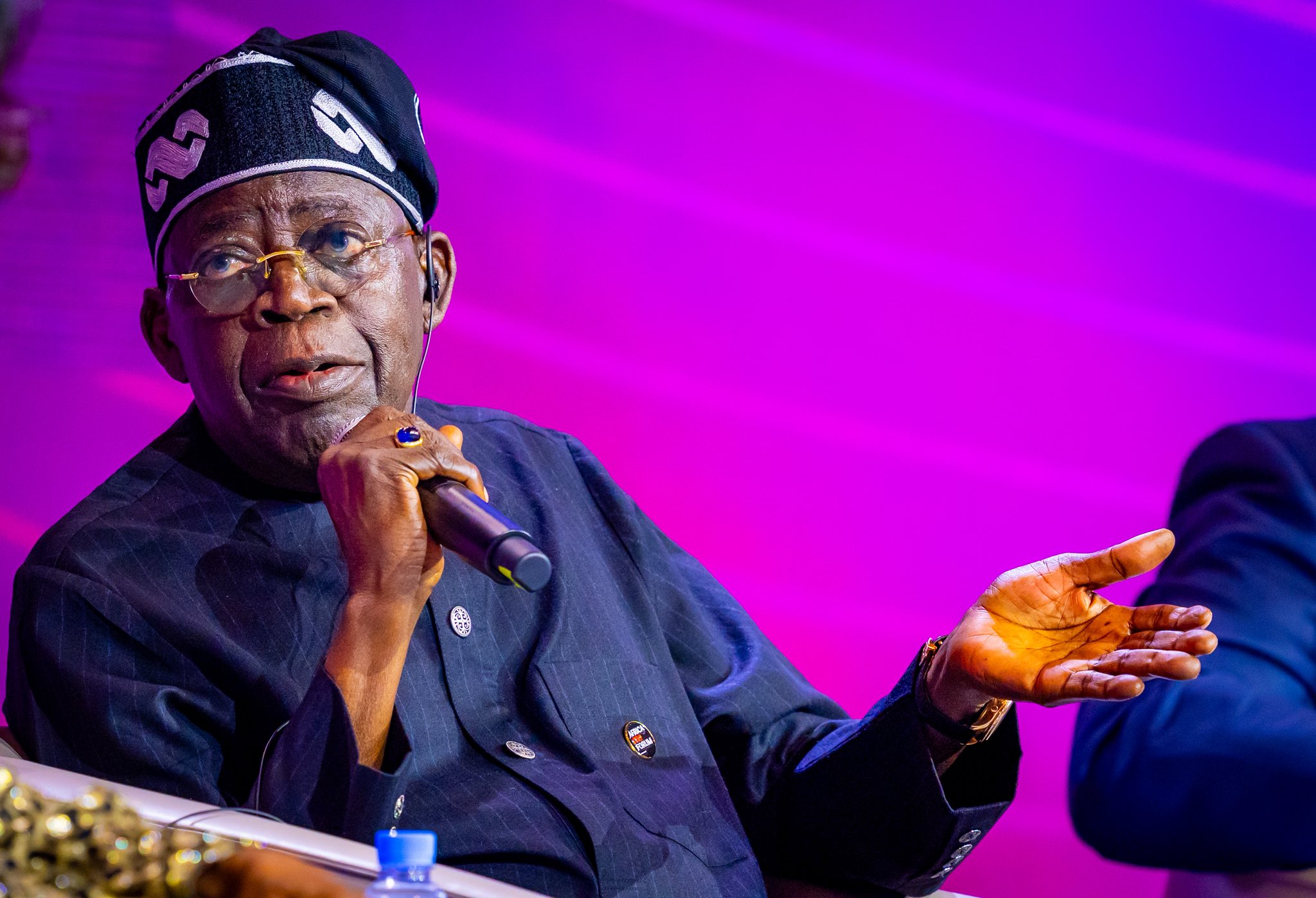
President Bola Tinubu conveyed these remarks at the 2026 Africa CEO Forum in Kigali, Rwanda. During his address, President Tinubu noted the deliberate choice of materials for the extensive road network. He stated, "When we were about to start construction, I called Dangote and BUA Abdul Samad and told them that since they’re cement producers, I’m not going to import bitumen. I’m going to build a concrete road that’ll last longer." President Tinubu further detailed the project's execution, adding, "When you see this road, it’s all concrete, and Dangote and BUA cement are what are being used for the construction." This project aims to enhance connectivity and regional trade, providing a durable and economically beneficial transportation backbone for Nigeria and its neighbors.
