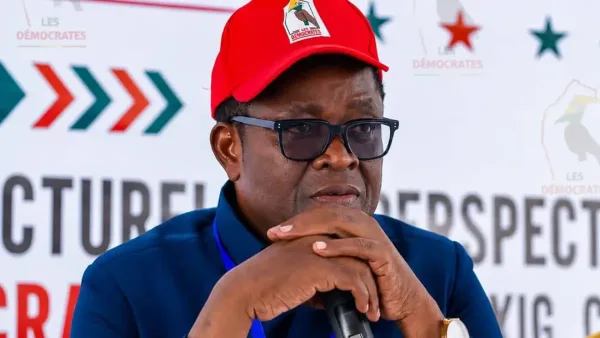
Nourénou Atchadé was elected by consensus as the president of the opposition party Les Démocrates on Sunday, October 11, 2026. The election occurred during the party's second ordinary congress, which was held in Porto-Novo. This significant event marked a key moment for the party, as Atchadé officially succeeds Boni Yayi in the leadership role. The new executive body, including Atchadé, was selected for a three-year term following the congress, signaling a renewed mandate and strategic direction for Les Démocrates. The election by consensus showed a unified front within the party as it prepares for future political challenges.
Congress Mandate and Resolutions
Delegates at the congress were tasked with the key responsibility of renewing the party's governing bodies and establishing new strategic directions for Les Démocrates. This mandate aimed to revitalize the party's internal structures and define its path forward in the political landscape. During the proceedings, the congress formally adopted four distinct resolutions, each addressing critical aspects of the party's operations and future. These resolutions focused on several key areas for the party, reflecting the full nature of the discussions and decisions made by the delegates.
The resolutions specifically addressed the internal crisis within Les Démocrates, a pressing issue that required clear and decisive action. Measures concerning the exclusion of certain officials and members were also deliberated and adopted, indicating a move towards greater accountability and internal discipline. A significant part of the resolutions also focused on the framework for compensating party administrators, ensuring fair and transparent practices for those managing the party's affairs. Additionally, the resolutions firmly reaffirmed the party’s continued stance in opposition, signaling its unwavering commitment to its political principles. Delegates further entrusted the Political Bureau with the responsibility of determining the specific amounts and modalities for the compensation of administrators. This decision by the congress outlined the operational framework and strategic priorities for the party's leadership moving forward, emphasizing a structured approach to governance and financial management.
Leadership Transition Details
Boni Yayi, the outgoing president, officially stepped down from the party leadership on March 3, initiating a period of transition. His departure paved the way for the internal transition process that culminated in Nourénou Atchadé's election on October 11, 2026. The party's decision to elect new leadership during its second ordinary congress in Porto-Novo followed this prior change in command, allowing for a structured and deliberate succession plan. The transition period allowed Les Démocrates to reorganize its internal structure and address key strategic questions before naming a successor to the presidential role. This move was part of a broader mandate for delegates at the congress, which included renewing governing bodies and defining new strategic directions for the party. The smooth transition, culminating in a consensus election, noted the party's commitment to stability and internal cohesion.
Party's Future Direction
Les Démocrates, under the new leadership of Nourénou Atchadé, is expected to solidify its role as an opposition force following the second ordinary congress in Porto-Novo. Atchadé’s election by consensus signals a unified front for the party as it outlines its strategic priorities for the next three years. The resolutions adopted by the congress, which addressed internal crises and the compensation of administrators, aim to strengthen the party's operational framework and ensure its long-term viability. The mandate given to the Political Bureau to determine the specific modalities for administrator compensation notes a focus on internal governance and transparent management. Boni Yayi's departure and the subsequent transition period allowed Les Démocrates to reorganize its structure and clarify its objectives, setting a clear course for the party's future direction and its continued stance in opposition within the political landscape. The new executive body's three-year term provides a stable period for implementing these new strategies and reinforcing the party's presence.