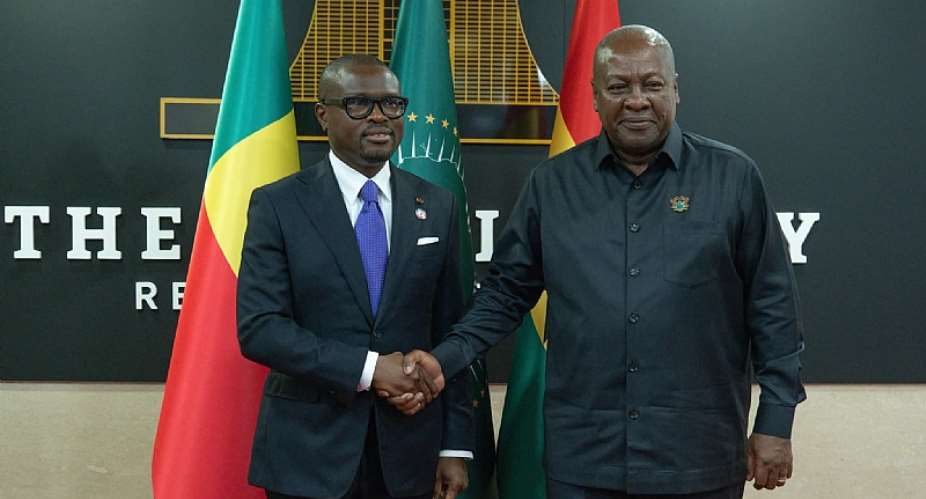
Nigerian Vice President Kashim Shettima recently led a delegation of state governors on an official tour and assessment of the Glo-Djigbé Industrial Zone (GDIZ) in Benin. The visit, which took place in Cotonou, Republic of Benin, aimed to explore industrial development models as Nigeria seeks to boost trade and resource utilization. Vice President Shettima declared that Africa must harness its resources and take control of global trade, stating, "of the $370 billion worth of global cotton, Africa benefits from only about one per cent of that amount." This stark statistic shows the continent's limited participation in a significant global commodity market, a situation Nigeria and other African nations are eager to change.
Mr. Shettima explained the purpose of the delegation, which included governors AbdulRahman AbdulRazak of Kwara, Hope Uzodimma of Imo, Umar Namada of Jigawa, Umaru Dikko Radda of Katsina, Caleb Mutfwang of Plateau, and Dauda Lawal of Zamfara. "We are here essentially at the behest of His Excellency, President Bola Tinubu, in the spirit of his Renewed Hope Agenda to see and do a peer review of global best practice and value addition," he said. The delegation's visit was specifically designed to draw practical lessons from Benin's visible success in linking agriculture with manufacturing, a model Nigeria hopes to adapt and implement. He added, "Be rest assured that we have learnt a lot of lessons through this visit and we are going to replicate a lot of that in Nigeria, as we are focused on becoming one of the industrialized nations in the world, in line with the Renewed Hope Agenda of President Tinubu."
Benin's Industrial Success
The Glo-Djigbé Industrial Zone (GDIZ) operates as a 1,640-hectare public-private industrial platform, a testament to Benin's commitment to industrial growth. Production at the GDIZ commenced in 2021, and it currently provides more than 25,000 jobs, significantly contributing to local employment and economic stability. The zone accommodates a diverse range of manufacturing operations, including textiles, garments, cashew processing, and soybean production, alongside other agricultural and industrial activities. This industrial hub is a cornerstone of Benin's strategy to enhance its economic output and participate more significantly in global value chains. The West African nation has focused on developing these capabilities to process raw materials domestically, thereby capturing more value from its natural resources before export. The GDIZ exemplifies this approach, aiming to add substantial value to Benin's agricultural produce and other raw materials. Its success offers a tangible blueprint for other African nations looking to industrialize and diversify their economies.
Nigeria's Replication Plan
Nigeria plans to replicate Benin’s industrialisation model nationwide, focusing intently on value addition and economic diversification. The West African nation is establishing eight agro-industrial zones across eight states as part of its full strategy. These zones are intended to mirror the integrated industrial approach observed in Benin, aiming to process raw materials domestically and significantly boost manufacturing capabilities across various sectors. This initiative is a critical component of Nigeria's broader economic transformation agenda.
Officials believe that reviving Nigeria’s textile value chain offers significant potential for economic growth. This revitalization could generate millions of jobs, expand the country's non-oil exports, and stimulate broader economic activity by creating demand for raw materials and fostering ancillary industries. The focus on agro-industrial zones is designed to create similar hubs for various agricultural products, enhancing their value before export and fostering local employment in rural and peri-urban areas. This initiative aligns with Nigeria's broader goal of reducing reliance on oil revenues and developing a more diversified, resilient industrial base that can withstand global market fluctuations. The establishment of these zones is expected to drive economic development, create sustainable livelihoods, and position Nigeria as a key player in regional and global value chains.
Lessons and Future Outlook
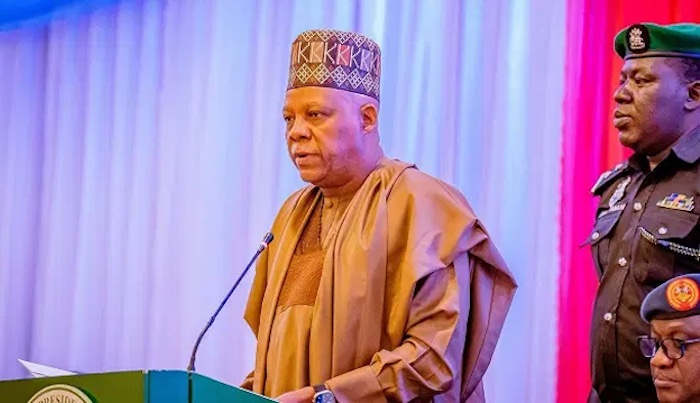
Vice President Kashim Shettima spoke in Cotonou, Republic of Benin, during a visit aimed at drawing practical lessons from Benin's success in linking agriculture with manufacturing. He reiterated that Africa must harness its resources, noting, "of the $370 billion worth of global cotton, Africa benefits from only about one per cent of that amount." This statistic notes the urgent need for African nations to move beyond being mere suppliers of raw materials and to become active participants in value-added production. Six state governors accompanied Vice President Shettima on the visit, showing the high-level commitment from Nigeria to learning from Benin's model. Mr. Shettima stated, "We are here essentially at the behest of His Excellency, President Bola Tinubu, in the spirit of his Renewed Hope Agenda to see and do a peer review of global best practice and value addition." He added that the delegation had learned significant lessons, which Nigeria intends to replicate with determination and strategic planning. "Be rest assured that we have learnt a lot of lessons through this visit and we are going to replicate a lot of that in Nigeria, as we are focused on becoming one of the industrialized nations in the world, in line with the Renewed Hope Agenda of President Tinubu," Shettima said. The visit concluded with a strong sense of purpose regarding Nigeria's industrial future. (23:52, 24th Jul, 2026)