IIEP-UNESCO research indicates that female leadership in public schools is associated with better retention of girls and better learning outcomes in rural areas. This study, conducted by the UNESCO International Institute for Educational Planning in Africa, examines the impact of gender representation among school administrators. The findings suggest that the presence of women in leadership roles serves as a factor in improving educational environments for students in isolated regions. These results form part of a broader investigation into school management strategies across the continent, specifically targeting outcomes in countries such as Benin and Madagascar. Jihane Lamouri contributed to the project, which analyzes how administrative gender parity influences student performance and school attendance records.
The research initiative emphasizes the importance of data-driven insights to address existing disparities in the educational landscape. By focusing on the specific administrative structures within these nations, the institute aims to provide a clear picture of how leadership composition affects the daily experiences of students and staff. The project notes that school management is a critical component of educational quality, and the gender of the principal is a variable that warrants closer inspection.
Leadership Trends in Benin
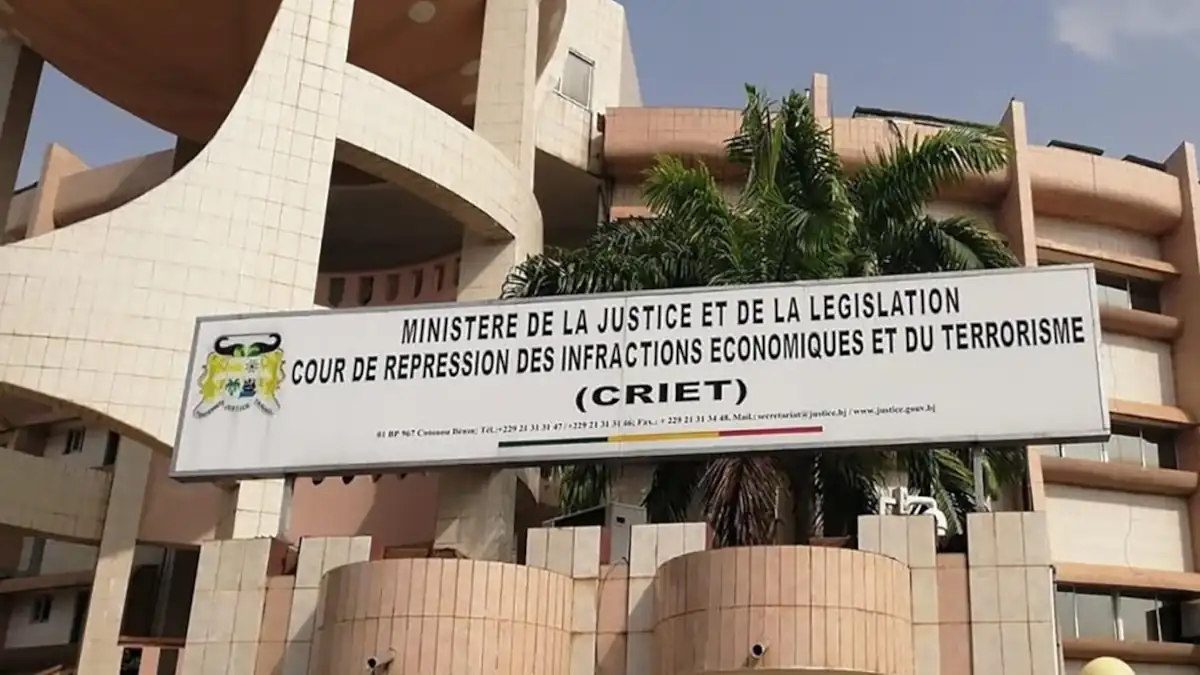
Women held 17 per cent of primary school leadership positions in Benin during 2022. This figure represents the current level of female representation in school administration within the national public education system. The data collected from Benin serves as a baseline for understanding the challenges faced by female educators as they navigate career paths toward management.
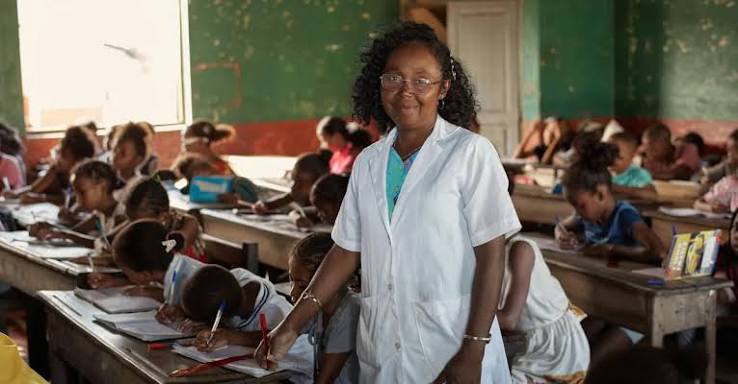
Madagascar presents a different distribution of administrative roles between the public and private sectors. In Madagascar, women account for 35 per cent of principals in public primary schools. Within the private primary school sector, however, women account for more than half of all principals. This variation between the public and private sectors in Madagascar provides a unique look at how different institutional frameworks facilitate or restrict the advancement of women into leadership positions.
The IIEP-UNESCO policy briefs identify several factors that hinder the advancement of women into these professional roles. Social norms, security concerns, and unequal access to qualifications are cited as primary barriers to the progression of women into school leadership positions. These challenges limit the ability of female educators to transition into administrative roles regardless of their teaching experience. By documenting these specific obstacles, the briefs aim to assist policymakers in developing targeted interventions that address the root causes of gender inequality in school administration.
Jihane Lamouri, Gender-sensitive Educational Policy Planner at IIEP-UNESCO in Africa, addressed the necessary approach to these institutional gaps. "Supporting women school principals is not just about increasing their numbers," Lamouri said. "It is also about creating the institutional, professional, and social conditions that enable them to exercise their leadership fully."
The ongoing efforts by IIEP-UNESCO to document these trends reflect a commitment to gender equality in the educational sector. Through the publication of these briefs, the organization seeks to foster a more inclusive environment where female leaders can thrive. As the project continues, the findings are expected to inform future strategies for professional development and policy reform, ensuring that the benefits of female leadership are realized across the continent's diverse educational systems. The focus remains on bridging the gap between current representation levels and the potential for greater female participation in school management.