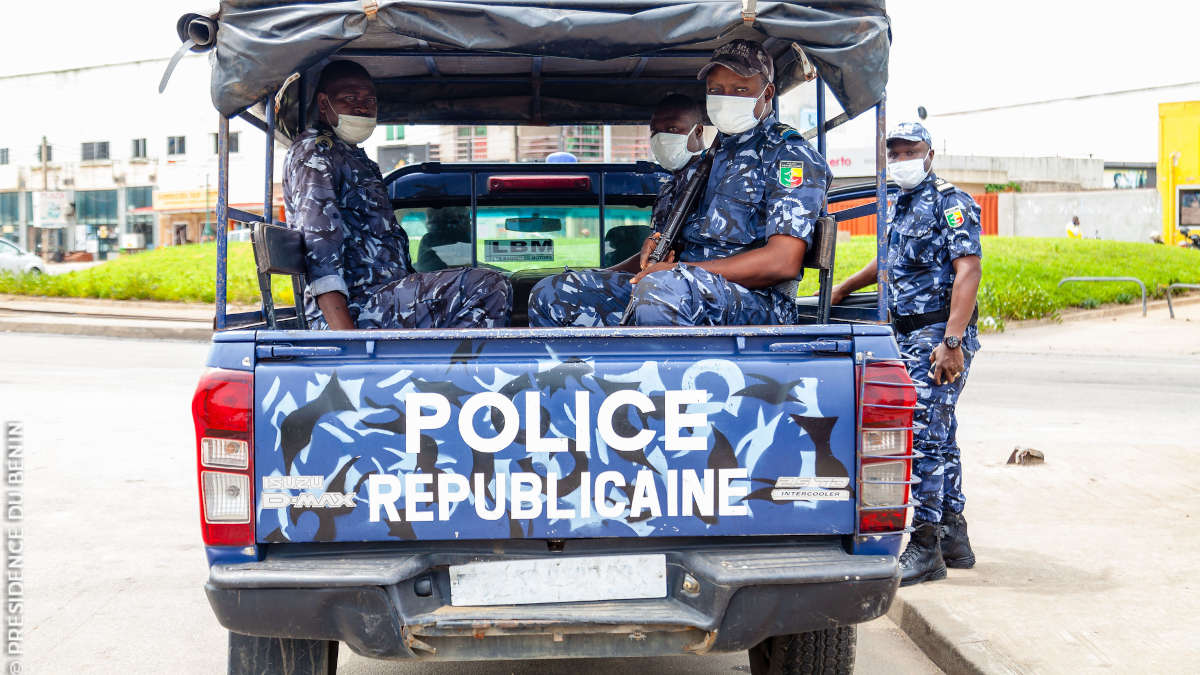
A moto-taxi driver was arrested for trafficking fake medicines in the night of June 20 to 21, 2026. The arrest took place in the commune of Grand-Popo, specifically in the village of Vodomè, which is located in the Sazué arrondissement. Officers from the police station of the Adjaha arrondissement conducted the operation that led to the driver's apprehension. The suspect was found in possession of 95 kilograms of counterfeit pharmaceuticals, as reported by authorities. This significant seizure shows the persistent challenge posed by the illicit trade of pharmaceutical products within the region. The incident marks a substantial success in the ongoing efforts against illicit drug trade, preventing a large quantity of potentially harmful substances from reaching the public.
Details of the Operation
The individual had been under surveillance since the border area, according to police reports, indicating a planned and coordinated effort by law enforcement. Authorities intercepted the suspect at Djanglanmey, a strategic location where a police operation had been previously established to target such illicit activities. The careful planning and execution of this operation successfully led to the arrest of the moto-taxi driver, preventing the further distribution of the counterfeit goods. Following his apprehension, the arrested moto-taxi driver will be presented to the Economic and Financial Brigade for further proceedings, where legal action will be initiated. Investigations are currently underway to determine the precise origin of the 95 kilograms of seized goods and to identify any potential networks involved in the trafficking operation. These inquiries aim to dismantle illicit supply chains, tracing the source of the fake medicines and identifying all individuals and organizations participating in this dangerous trade. This full approach seeks to disrupt the entire chain of distribution, from production to sale.
Context and Legal Framework
Counterfeit medicines pose a significant public health issue, according to authorities, representing a severe threat to consumer safety and trust in healthcare systems. The proliferation of such products introduces substantial risks to consumers, often containing incorrect dosages, harmful substances, or no active ingredients, thereby failing to treat illnesses and potentially causing further harm. These unregulated products can exacerbate existing health conditions, lead to new illnesses, or even result in fatalities, making their circulation a critical concern for public health officials.
In Bénin, the legal framework specifically addresses the illicit trade of pharmaceutical products, providing a strong legal basis for combating this menace. Bénin's laws sanction the possession, transport, and marketing of unauthorized pharmaceutical products, reflecting the government's commitment to protecting its citizens. These statutes are designed to combat the circulation of fake or substandard medicines within the country, aiming to protect public health and maintain the integrity of the pharmaceutical supply chain. The legal provisions show the seriousness with which authorities view such offenses, providing a basis for prosecution against individuals involved in these illicit activities, ensuring that perpetrators face appropriate legal consequences for their actions.
Public Health Implications
The arrest of the moto-taxi driver occurred in the commune of Grand-Popo, where authorities intercepted the individual with a substantial quantity of illicit pharmaceuticals. This location is a critical point in the interdiction efforts against the circulation of counterfeit medicines, given its potential as a transit route or distribution hub. The presence of such products in the community raises significant concerns for public health, as they often lack efficacy or contain harmful components, directly endangering the well-being of the population.
The seized products weighed 95 kilograms, representing a considerable volume of potentially dangerous substances removed from circulation. This large quantity of counterfeit medicines notes the scale of the illicit trade, posing a direct threat to the health and safety of consumers who might inadvertently use these unregulated pharmaceuticals, believing them to be legitimate treatments. Such seizures are vital in preventing further harm to the population, safeguarding public health, and reinforcing the importance of strict regulatory oversight in the pharmaceutical sector. The successful interdiction serves as a deterrent to others involved in similar illegal activities.