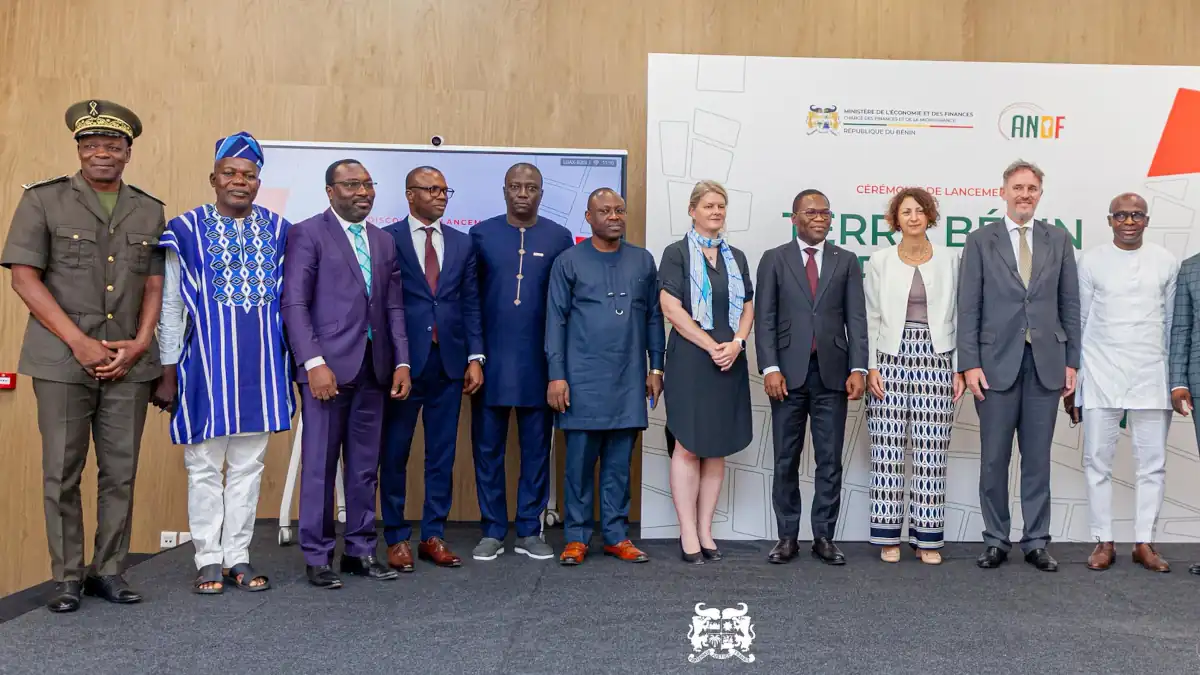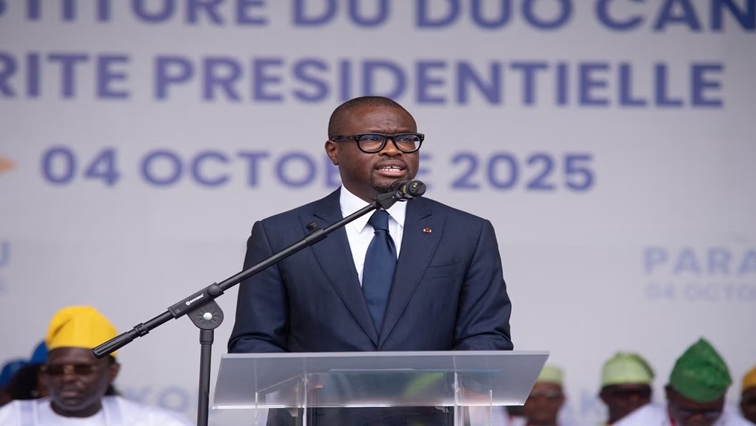
An IMF mission led by Sonali Das visited Cotonou from 27 October to 6 November 2026 to conduct Article IV consultations regarding the economy of Benin. Following these discussions, the International Monetary Fund projected Benin's economic growth at 7.8% for 2026 and approximately 7% for 2027.
Sonali Das characterized the engagement as "ouvert et constructif." Regarding the outlook for the nation, the IMF mission chief stated, "les perspectives à moyen terme demeurent favorables." Sonali Das also expressed appreciation toward "les autorités béninoises pour leur accueil chaleureux" during the visit. The mission evaluated current fiscal indicators to determine these projections, which reflect the fund's assessment of the country's economic trajectory over the next two years.
Strong Economic Growth Trends
Benin recorded real GDP growth of 8.1% in 2025. According to the International Monetary Fund, this figure represents the highest level of growth for the nation in nearly two decades. The 2025 performance serves as a primary benchmark for the current economic assessments conducted by the mission led by Sonali Das. These data points provide context for the projections established during the recent Article IV consultations held in Cotonou. The expansion observed in 2025 remains a focal point for officials evaluating the trajectory of the economy within the UEMOA region. Ongoing fiscal monitoring by the Fonds monétaire international continues to track these growth patterns to ensure alignment with the established mid-term outlooks for the country.
Fiscal Policy and Deficits
Benin successfully reduced its budget deficit below the 3% of GDP threshold established by UEMOA in 2024. This fiscal adjustment aligns with the regional standards maintained by the organization for member states.
Building upon these outcomes, the International Monetary Fund projects a budget deficit of 2.3% of GDP in 2026. Projections for the following year indicate a slight increase, with the deficit expected to reach 2.9% of GDP in 2027.
The IMF Board completed a review of three financing programs in February 2026. This assessment authorized a disbursement of approximately 118 million dollars to support the national economic agenda.
Regarding price stability, the International Monetary Fund forecasts that inflation will trend downward over the next two years. Officials anticipate that consumer prices will return to the 2% target level by 2027. These figures provide the basis for the current fiscal monitoring efforts conducted by the fund to ensure the country maintains its projected trajectory.