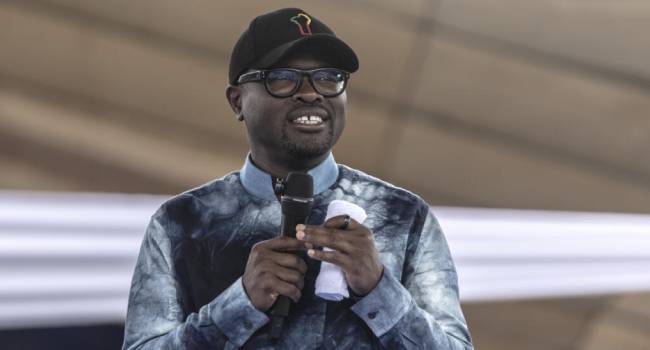
Benin's new leader, President Romuald Wadagni, visited Niger on Tuesday, marking the first presidential trip to Niamey since a 2023 coup. This significant diplomatic engagement signals a potential warming of relations between the two West African nations, which have experienced considerable strain over the past year. President Wadagni, who officially came to power on May 24, was greeted upon his arrival by junta chief Abdourahamane Tiani, showing the high-level nature of the discussions. The Beninese presidency released a statement emphasizing that the visit "is part of the active neighbourhood diplomacy that President Wadagni intends to pursue with all the states bordering Benin." This initiative notes a concerted effort by the new Beninese administration to foster regional stability and cooperation, particularly with its immediate neighbors.
Diplomatic Overtures and Security Talks
A primary focus of the discussions between the two leaders was expected to be the relaunching of security cooperation between their countries. Both Benin and Niger are grappling with the escalating challenge of jihadist violence, making coordinated efforts against these threats a critical agenda item. President Wadagni spent several hours in Niger, engaging in what were described as constructive talks before being expected to continue his regional tour to Burkina Faso later the same day. His first international trip as president had been to Nigeria on Monday, further showing a clear regional focus for his nascent administration. This proactive diplomatic approach aims to mend fences and build stronger alliances within the sub-region.
The importance of this visit was foreshadowed by Niger's Prime Minister Ali Lamine Zeine, who attended President Wadagni's inauguration in Cotonou. At the time, Prime Minister Zeine described the event as paving "a new path" for relations between the two nations, indicating an early willingness from Niger to re-engage. The security situation in Benin's north, which shares a border with Niger, has been particularly dire, plagued by increasingly deadly jihadist violence. This makes strong security cooperation not just a diplomatic nicety, but a critical and pressing necessity for both countries. President Romuald Wadagni secured a commanding victory in his election, winning with 94 percent of the vote, which provides him with a strong mandate as he embarks on these key diplomatic efforts to address regional challenges and foster stability.
Lingering Tensions and Accusations
Despite these recent diplomatic overtures, a history of significant tensions and accusations has strained the relationship between Benin and Niger. Niger's military leaders previously took the drastic step of closing the border with Benin, alleging that the country was harbouring "French bases" intent on destabilising Niger. This serious accusation formed the basis of Niger's actions and contributed to the deterioration of bilateral ties. Niger has regularly and consistently accused Benin of hosting French military bases on its territory, which it claims are being used to train jihadists operating within the region.
Adding to these grave allegations, General Abdourahamane Tiani, the head of Niger's junta, went as far as to name Benin's ex-president, Patrice Talon, as one of the "sponsors" of jihadists. These alleged sponsors were, according to Tiani, responsible for an attack on Niamey airport in January, further escalating the rhetorical conflict. Both Benin and France have consistently and firmly denied these accusations, dismissing them as unfounded. Despite the recent positive diplomatic engagement, tangible signs of lingering tensions persist. Notably, the only bridge connecting Niger and Benin remains closed, indicating that some of the earlier restrictions and punitive measures have yet to be fully lifted, even as high-level talks resume.
Economic Lifelines and Regional Alliances
In a broader regional context, Niger has forged new alliances, forming a confederation known as the Alliance of Sahel States with fellow junta-led nations Burkina Faso and Mali. This new bloc represents a significant shift in regional dynamics, as all three countries subsequently withdrew from the West African bloc, ECOWAS, further isolating them from traditional regional structures.
Economically, the port of Seme-Kpodji in Cotonou, Benin, plays a vital role for Niger. It serves as the most accessible and efficient route for transporting essential supplies into Niamey and, crucially, for the export of Niger's raw materials to international markets. Before the recent dispute and subsequent border closures, approximately 80 percent of Niger's freight utilized the port of Seme-Kpodji, noting its indispensable role in Niger's economy.
Despite the broader political tensions and the closure of the land border, a significant pipeline transporting Nigerien oil through Benin has continued its operations without interruption. This massive pipeline represents a key economic link that has remained active even amid the most strained diplomatic relations, showing the deep and often interdependent economic ties between the two nations. The continued functioning of the oil pipeline notes the strategic importance of this economic infrastructure to both countries, providing a foundational element that could facilitate potential reconciliation and the rebuilding of a more stable and cooperative relationship.