The International Monetary Fund projects Benin's real GDP growth to reach 7.0% in 2026. Official forecasts from the institution indicate that the national economy is positioned for a consistent upward trend over the next several years.
Economic expansion is expected to accelerate further as the decade progresses. According to the International Monetary Fund, Benin's real GDP growth will rise to 7.3% by 2028. These projections reflect the anticipated performance of the country's economic sectors within the established timeframe.
Recent Economic Performance Trends
Benin recorded economic growth of 6.4% in 2023. This performance marked the beginning of a period characterized by annual increases in output.
The national economy expanded by 7.5% in 2024. Statistical data shows that this acceleration surpassed the growth rate observed during the previous calendar year.
Benin achieved an economic growth rate of 8.1% in 2025. This figure represents the highest annual expansion within the three-year period. These consistent upward shifts in the annual growth percentages reflect the recent trajectory of the national economy.
Fiscal Consolidation and Debt Management
International Monetary Fund projections indicate a shift in the fiscal landscape for Benin over the coming years. The fiscal deficit as a share of GDP is expected to narrow to approximately 2.6% by 2028. This adjustment forms part of the broader economic framework monitored by the institution to manage national expenditures relative to output.
Government planning also targets the stabilization of national liabilities. The public-debt-to-GDP ratio is expected to fall towards 50.0% by 2028. This decline in the debt-to-GDP metric coincides with the projected expansion of the economy through the end of the decade. These figures reflect the anticipated results of current fiscal strategies aimed at balancing growth with sustained debt management.
Legislative Oversight of Economic Strategy
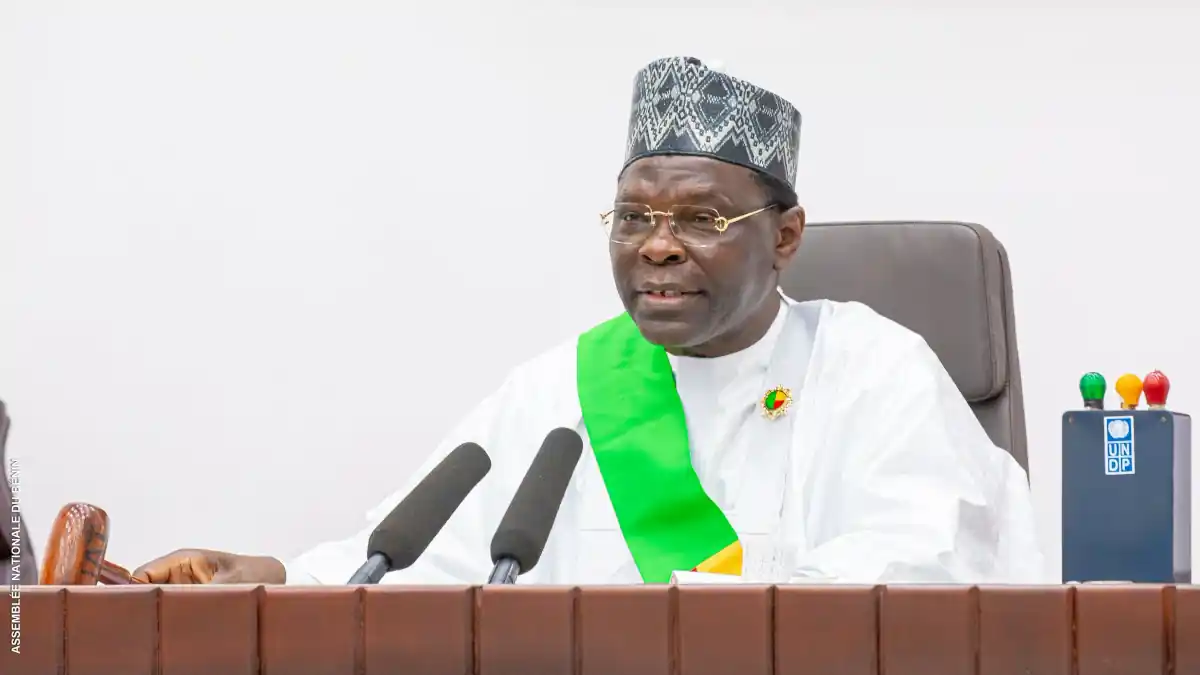
Members of the National Assembly convened on 24 June 2026 to conduct a budget orientation debate regarding the 2027-2029 period. This session served as a formal review of the government's medium-term fiscal strategy. Legislators examined the proposed financial framework, which aligns with the country's broader economic objectives. The proceedings focused on the allocation of resources and the anticipated expenditure levels for the upcoming three-year cycle. By evaluating these projections, parliamentarians assessed the alignment of planned public investments with the national growth trajectory. The debate provided a platform for reviewing the mechanisms intended to support fiscal stability and sustained economic development through 2029. Documentation from the meeting indicates that the assembly members scrutinized the underlying assumptions of the proposed budget to ensure coherence with established economic benchmarks. This parliamentary review remains a core component of the institutional oversight process governing Benin's public financial management.