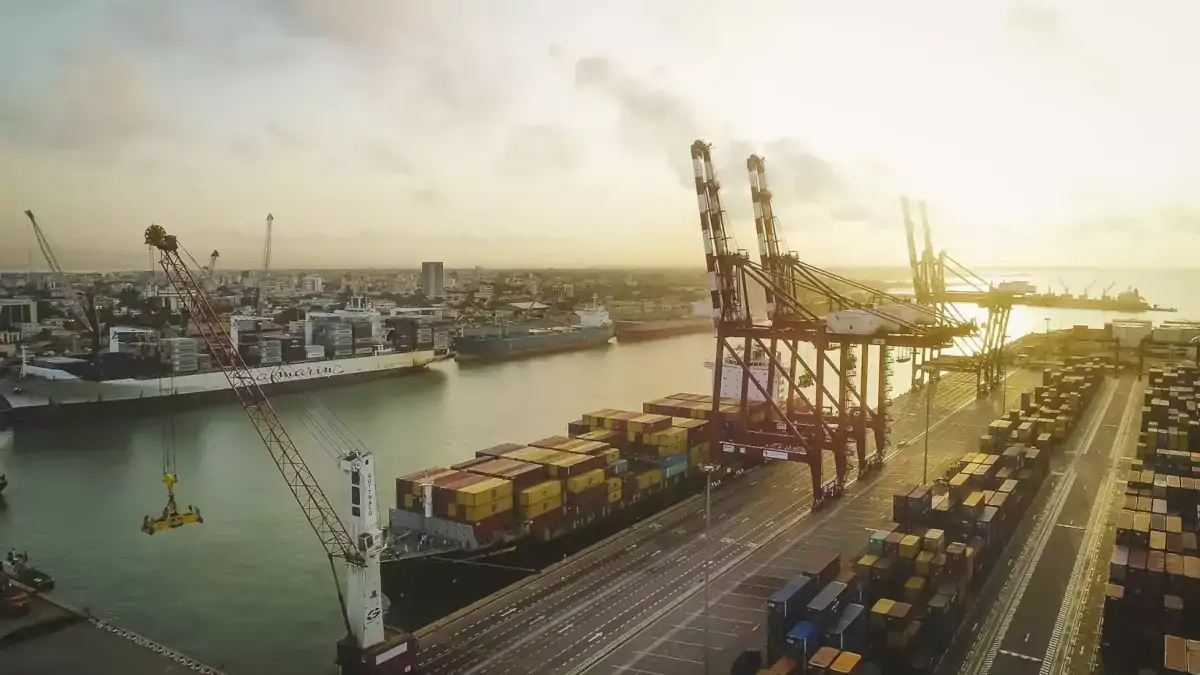
The FocusSEZ 2026 investment forum took place in Cotonou from 21 October to 22 October 2026. This event gathered stakeholders to examine industrial development strategies within the Glo-Djigbé Industrial Zone (GDIZ). Participants at the forum reviewed the expansion of the industrial park and its role in the economic growth of Benin.
Expanding Cotton Processing Capacity
The Glo-Djigbé Industrial Zone (GDIZ) currently transforms 40,000 tons of cotton annually. This volume represents approximately 12.7% of Benin’s national cotton production. Létondji Béhéton, managing director of SIPI-Benin S.A. Explained the scale of these operations, stating: "At GDIZ, we have transformed 40,000 tons of cotton annually, representing approximately 12.7% of the country’s national cotton production allowing for the manufacture of 50 million garments."
In addition to processing capacity, the industrial zone supports the manufacture of 50 million garments. These production levels form part of the broader industrial strategy implemented within the zone to increase the value-added component of domestic agricultural output. Technical and financial structures for these projects remain a primary focus for stakeholders looking to attract further investment into the facility.
Infrastructure and Energy Development
Glo-Djigbé Industrial Zone (GDIZ) has finished building a 30km gas pipeline to supply energy to its industrial facilities. Létondji Béhéton, managing director of SIPI-Benin S.A. Confirmed the completion of this project. He stated: "We have just completed the construction of a 30km gas pipeline and we are developing solar power plants, the first series of which will be ready in 18 months, with a production capacity of 300 megawatts to support the zone’s growth, and the surplus will be fed into the national grid."
These solar power plants represent a significant addition to the zone's energy infrastructure. The total production capacity of the solar projects is set at 300 megawatts. According to Létondji Béhéton, the initial phase of these solar installations will become operational in 18 months. Energy generated beyond the requirements of the industrial zone will be directed into the national grid of Benin.
Economic Impact and Job Creation
Employment within the Glo-Djigbé Industrial Zone (GDIZ) currently totals 25,000 jobs. Projections from the industrial zone indicate that this workforce will expand to reach 300,000 jobs by 2030.
Ramanou Kouferidji, founder of a communications group focused on entrepreneurship, identified specific requirements for sustaining this growth among small and medium-sized enterprises. He stated: "Beyond the need to support local SMEs upstream in structuring their projects to be submitted for funding, it is important to create an equity fund to cover and guarantee their development efforts in order to protect and retain added value at the local level."
These workforce figures reflect the ongoing expansion of the zone's manufacturing and processing capacity. Stakeholders continue to monitor how industrial output levels correlate with these employment targets as the zone increases its integration into the national economy of Benin.
Investment Challenges and Future Outlook
Benin recorded a GDP of US$19.4 billion in 2023, catering to a population of 13.4 million. Létondji Béhéton, managing director of SIPI-Benin S.A. Attributed recent industrial gains to this macroeconomic performance, noting: "These efforts have helped to increase Benin’s GDP to US$19.4 billion in 2023 for a population of 13.4 million,"
Long-term development goals for the Glo-Djigbé Industrial Zone focus on scaling agricultural output to match this economic trajectory. Projections indicate that annual cotton production within the GDIZ will reach approximately 100,000 tonnes by 2030. This expansion represents a significant increase from current processing levels, aiming to bolster the value-added contribution of the textile sector to the national economy. Officials expect this rise in industrial capacity to provide a foundation for sustained growth as the zone integrates further into regional trade networks.