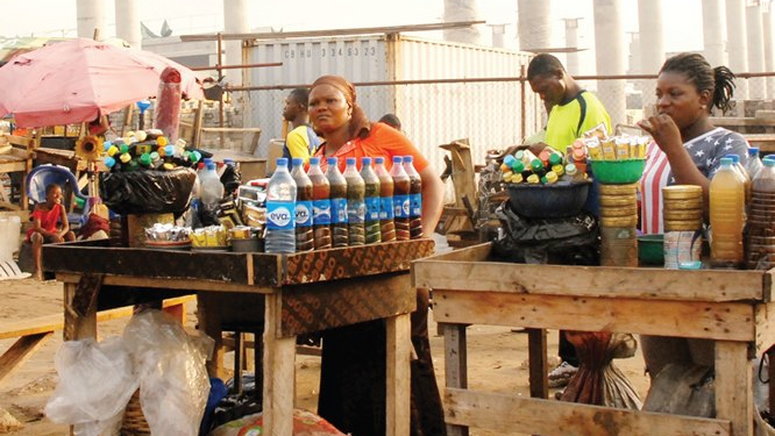
Residents of Benin City, Edo State, are decrying rising pharmaceutical costs across Nigeria, with many expressing profound frustration over the significant financial burden. During interviews with the News Agency of Nigeria (NAN) on Sunday, residents noted significant increases in medicine prices, impacting their ability to afford essential treatments and raising widespread concern among the local population. The escalating pharmaceutical costs are creating a challenging environment for families attempting to manage their health needs alongside daily living expenses.
Personal Struggles with Affordability
The impact of these rising costs is acutely felt at the individual level, forcing many into difficult choices. Mrs. Rose Imadiyi, for instance, faced a difficult choice at Best Care Pharmacy in the New Lagos Road area after falling ill. Her prescribed medications were priced at approximately N7,000, but she had only N4,000 allocated for both feeding her family and covering healthcare expenses. This financial disparity meant she could not afford the necessary drugs, illustrating the stark reality many residents now confront.
Mrs. Imadiyi described her predicament, stating, "I chose my children over drugs because they still need to eat." She further explained her decision, saying, "I could not spend all the money on medication and leave nothing for food." Her situation reflects a growing challenge for residents in Benin City who are struggling to balance essential medical needs with the daily cost of living for their families. The rising cost of pharmaceuticals has directly impacted her ability to access treatment while prioritizing her household's basic sustenance. This difficult decision, driven by financial constraints, shows the severe strain placed on ordinary families.
Broader Economic Impact on Healthcare
The increasing drug prices, coupled with rising consultation charges and laboratory fees, have collectively rendered healthcare services largely unaffordable for many low-income earners in Benin City. For individuals like Mr. Ola Rasheed, these escalating costs have significantly altered their access to medical care. Mr. Rasheed stated that he has stopped visiting hospitals and pharmacies regularly because rising drug prices and medical expenses have made healthcare services difficult to afford. This situation reflects a broader economic strain on residents, leading to a decline in proactive health management.
A recent assessment indicates that nearly 80 per cent of patients currently struggle to balance healthcare expenses with basic survival needs. This alarming statistic notes the widespread nature of the problem, where the financial pressure from high pharmaceutical costs, coupled with other medical fees, forces many to prioritize daily sustenance over necessary medical interventions. This creates a significant public health challenge in the region, as delayed or foregone treatments can lead to more severe health complications in the long run. The inability to access essential medications and treatments due to cost is a growing concern for the community, potentially leading to a deterioration of public health outcomes.
Expert and Resident Perspectives
The escalating costs have prompted many residents to abandon prescribed medications, seek native remedies, or frequently purchase incomplete drug dosages. This trend is a direct consequence of the financial pressures faced by households. Mrs. Messy Omokhua, a resident, explained her approach to managing these expenses, which is common among those struggling to afford full prescriptions. When faced with unaffordable prescribed medications, she opts for cheaper brands or reduced quantities of medicine, hoping to alleviate her symptoms without incurring prohibitive costs.
"Sometimes I buy cheaper alternatives or reduce the quantity and hope to get better quickly," Mrs. Omokhua stated, illustrating the compromises many individuals are making to access some form of treatment. This financial strain forces residents to make difficult decisions regarding their healthcare needs, often against medical advice, which could have adverse health implications. The reliance on cheaper, potentially less effective alternatives or incomplete dosages shows the depth of the affordability crisis. Residents are compelled to navigate a healthcare landscape where financial constraints dictate their access to vital medications, often at the expense of optimal health outcomes. The collective frustration expressed by residents points to an urgent need for interventions to address the spiraling costs of pharmaceutical products in the region.